Moroccan Coffee: Tradition, Culture, and Daily Life in Morocco
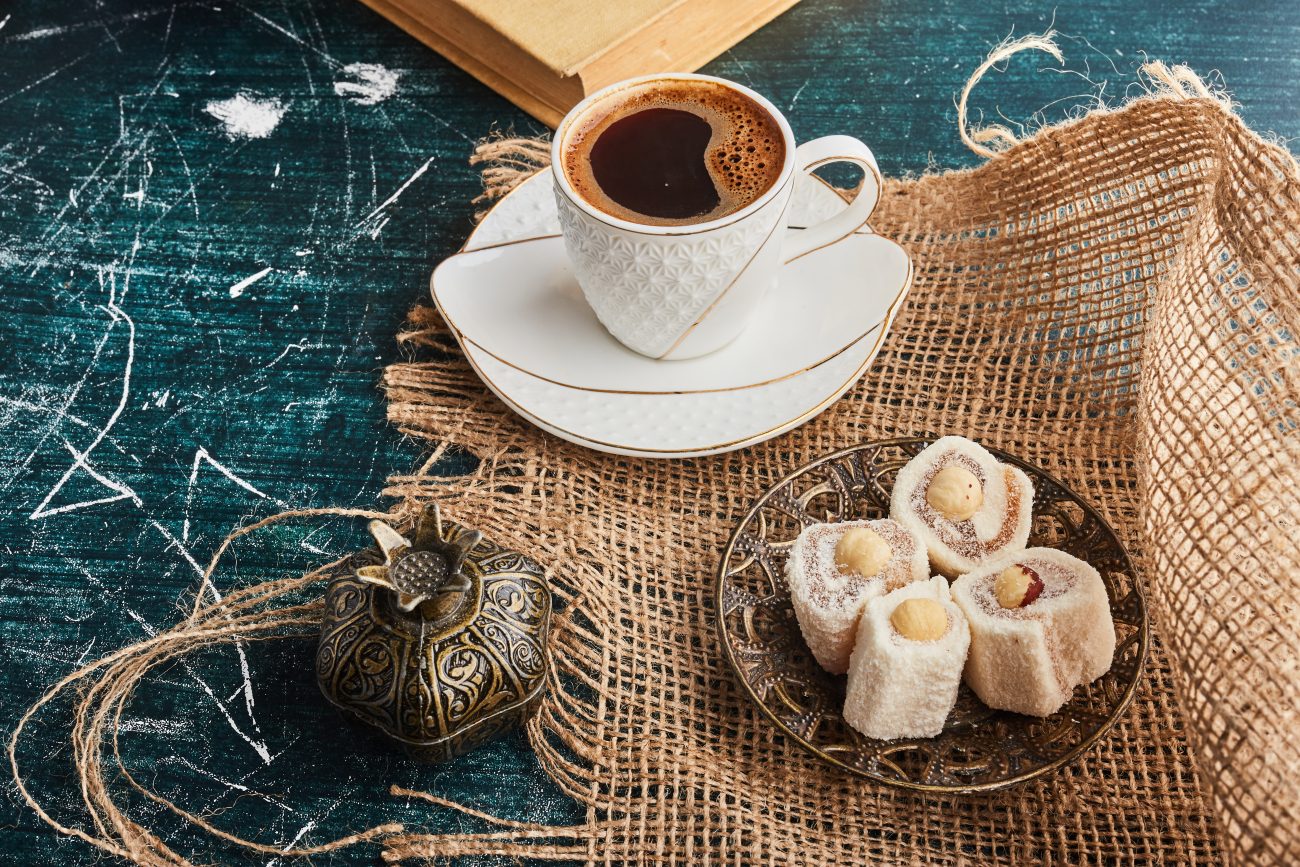
Coffee, known as “l-qahwa” in Morocco, is much more than a simple drink. It is a symbol of hospitality, social connection, and everyday life. While Moroccan tea often receives international attention, coffee holds a special place in Moroccan culture, especially in cities, cafés, and modern households. From traditional coffeehouses to trendy urban cafés, Moroccan coffee culture reflects the country’s rich history, diverse influences, and evolving lifestyle.
The History of Coffee in Morocco
Coffee was introduced to Morocco several centuries ago through trade routes connecting North Africa to the Middle East and Europe. Over time, it became popular among scholars, merchants, and travelers who gathered in cafés to discuss politics, religion, and daily matters. By the 19th and 20th centuries, coffeehouses had spread across Moroccan cities, becoming important social spaces for men to meet, relax, and exchange ideas.
Unlike tea, which is deeply rooted in Berber and family traditions, coffee developed more strongly in public spaces. Cafés became landmarks in Moroccan cities, from old medinas to modern neighborhoods. Today, coffee culture continues to grow, influenced by globalization and changing lifestyles.
Moroccan Coffee and Daily Life
In Morocco, coffee is part of the daily routine for many people. It is commonly enjoyed in the morning, after meals, or during breaks throughout the day. For workers, students, and shop owners, a cup of coffee is often associated with energy, focus, and social interaction.
Moroccan cafés are lively places where people sit for hours, watching the street, chatting with friends, or simply enjoying the moment. Coffee is rarely rushed; it is meant to be savored. This relaxed approach reflects the Moroccan way of life, where social bonds and conversation are highly valued.
Types of Coffee in Morocco
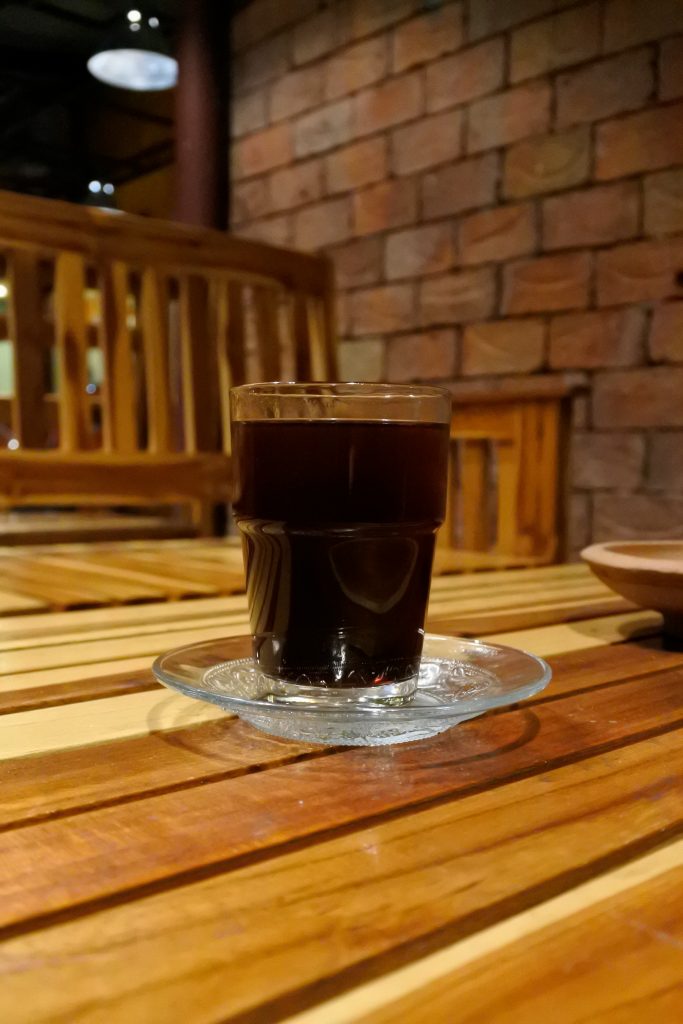
Moroccan coffee culture offers a variety of styles and preparations. One of the most common types is “qahwa nos-nos,” which is half coffee and half milk, similar to a latte. It is especially popular in cafés and is often served in small glasses.
Another popular choice is black coffee, known simply as “qahwa,” which is strong and aromatic. Espresso has become very common in urban areas, especially in modern cafés influenced by European styles. Cappuccinos, macchiatos, and flavored coffees are also widely available.
In traditional settings, some Moroccans prepare coffee with spices such as cinnamon or cardamom, adding a unique local touch. This reflects Morocco’s love for warm, aromatic flavors.
Coffee and Social Culture
Coffee plays a major role in Moroccan social life. Meeting someone for coffee is one of the most common ways to socialize. Friends gather in cafés to talk about work, family, football, or politics. Business meetings are often held over coffee, and even serious discussions feel more relaxed in a café setting.
Traditionally, cafés were male-dominated spaces, but this has changed significantly. Today, women and families are increasingly present in cafés, especially in larger cities like Casablanca, Rabat, Marrakech, and Tangier. Modern cafés have become inclusive spaces that welcome everyone.
The Role of Cafés in Moroccan Cities
Cafés are an essential part of the Moroccan urban landscape. Every neighborhood has its local café where regular customers are well known. These cafés create a sense of belonging and community. For many people, the café is like a second home.
In recent years, Morocco has seen a rise in stylish and themed cafés. These places focus on design, comfort, and high-quality coffee. They attract young people, freelancers, and tourists. Wi-Fi, modern décor, and international menus have transformed cafés into creative and productive spaces.
Coffee and Hospitality
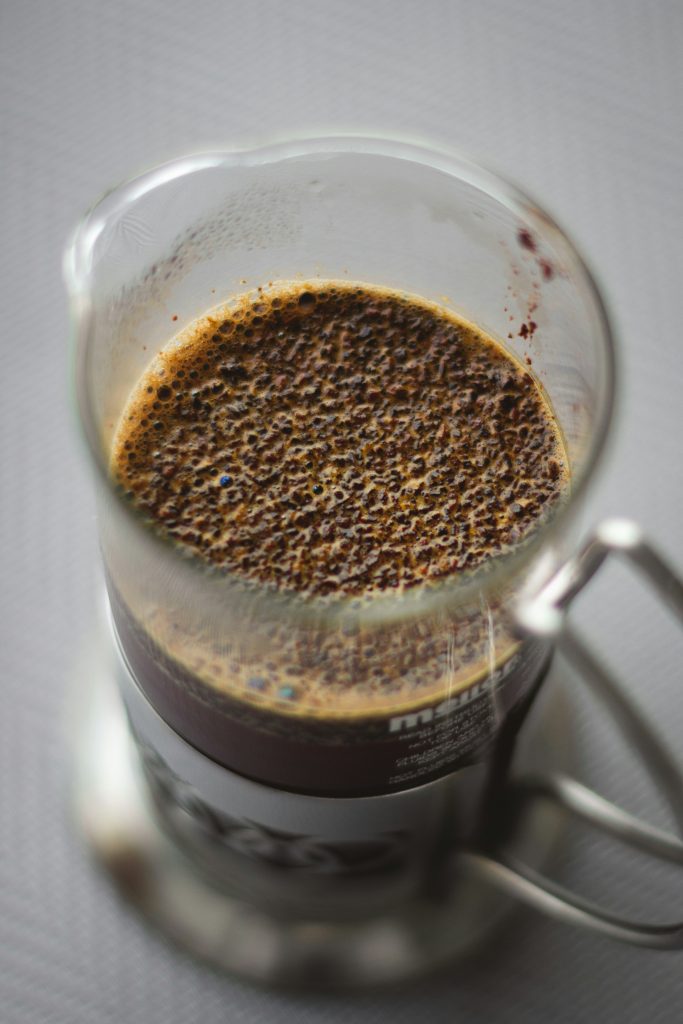
Hospitality is a core value in Moroccan culture, and while tea is traditionally offered to guests at home, coffee is also becoming increasingly common. Serving coffee shows respect and warmth, especially in formal or professional settings. Offering a guest a cup of coffee is a simple yet meaningful gesture.
In offices, shops, and even small businesses, coffee is often shared as a sign of welcome. This reinforces social bonds and creates a friendly atmosphere.
Economic Importance of Coffee Culture
Coffee culture contributes significantly to the Moroccan economy. Cafés provide employment for thousands of people, from baristas to suppliers. Coffee imports, equipment, and related services also support local businesses.
Entrepreneurship in the café industry is growing, with many young Moroccans opening small cafés or coffee trucks. This trend reflects changing consumer tastes and the influence of global coffee culture.
Modern Trends and Influences
Globalization has strongly influenced Moroccan coffee culture. International coffee chains, specialty coffee shops, and social media trends have introduced new brewing methods and flavors. Cold brew, iced coffee, and specialty beans are now popular among younger generations.
Despite these changes, Moroccan coffee culture remains deeply connected to tradition. Modern trends blend with local habits, creating a unique coffee experience that reflects both heritage and innovation.
Coffee as a Lifestyle Symbol
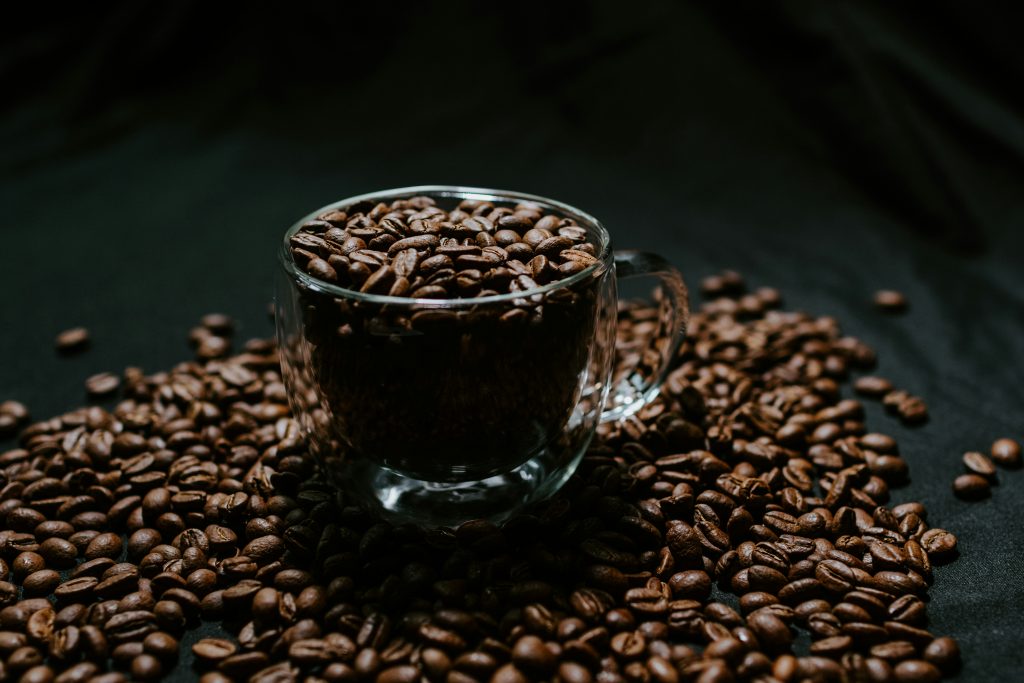
For many Moroccans, coffee represents more than taste—it represents lifestyle and identity. Sitting in a café, holding a cup of coffee, and watching life pass by is a familiar and comforting scene. Coffee symbolizes pause, reflection, and connection in a fast-changing world.
It also represents aspiration and modernity, especially among youth. Cafés have become places where ideas are shared, creativity is born, and dreams are discussed.
Conclusion
Moroccan coffee, or l-qahwa dyal l-Maghrib, is a powerful cultural element that blends tradition, social life, and modern influence. From small neighborhood cafés to stylish urban spaces, coffee connects people and reflects Moroccan values of hospitality, conversation, and community.
While Moroccan tea may be famous worldwide, coffee continues to shape daily life in Morocco in its own meaningful way. It is not just a drink—it is a ritual, a meeting point, and a symbol of Moroccan identity that continues to evolve with time.