
The Benefits and Risks of Tumblers and Water Bottles
Tumblers and water bottles have become everyday essentials for people of all ages. Whether used at home, at work, at school, or during travel and exercise, these containers play an important role in helping people stay hydrated. With growing awareness of health, sustainability, and convenience, reusable tumblers and water bottles are more popular than ever. However, while they offer many advantages, they also come with certain risks if not used properly. Understanding both the benefits and drawbacks can help users make smarter and safer choices.
Benefits of Tumblers and Water Bottles
One of the most important benefits of tumblers and water bottles is that they encourage regular hydration. Having a reusable bottle nearby reminds people to drink water throughout the day, which supports digestion, circulation, temperature regulation, and overall physical performance. Proper hydration also improves concentration, reduces fatigue, and supports healthy skin.
Another major advantage is temperature control. Many tumblers and water bottles, especially those made from stainless steel, are insulated and designed to keep drinks hot or cold for several hours. This is ideal for people who enjoy hot coffee or tea in winter and cold water or juice in summer. The ability to maintain temperature improves comfort and reduces the need to reheat or replace drinks.
Reusable tumblers and water bottles are also environmentally friendly. By reducing reliance on single-use plastic bottles and disposable cups, they help lower plastic waste and pollution. Millions of plastic bottles end up in landfills and oceans every year, harming wildlife and ecosystems. Choosing a reusable option supports a more sustainable lifestyle and reduces environmental impact.
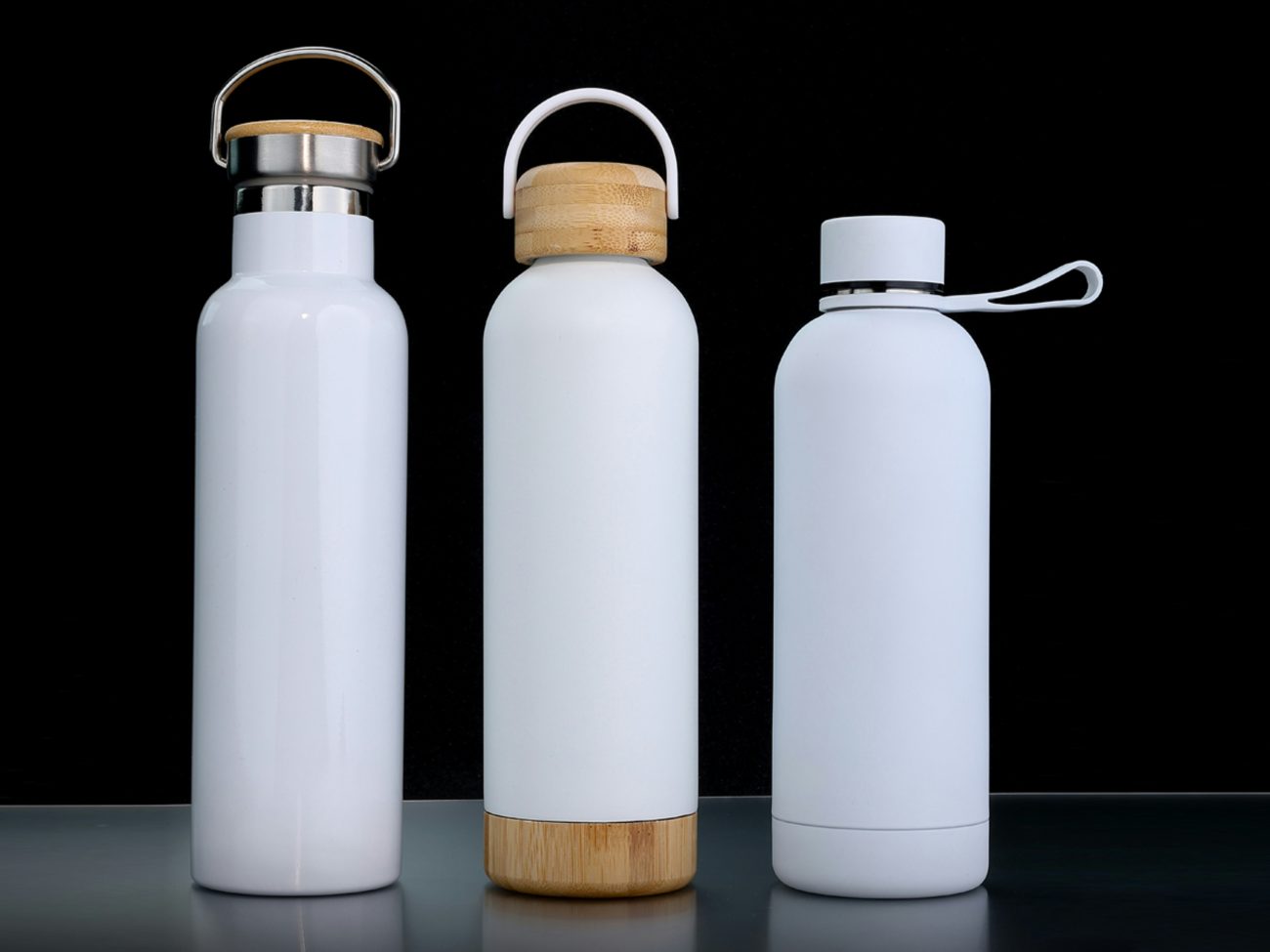
Convenience is another key benefit. Tumblers and water bottles are designed for easy transport, making them perfect for commuting, workouts, travel, and outdoor activities. Many models are leak-proof, lightweight, and easy to carry in bags or backpacks. Some even include measurement markings, straws, or handles for added comfort and functionality.
From a financial perspective, reusable bottles can save money over time. Instead of purchasing bottled water or takeaway drinks daily, users can refill their bottles at home or from water stations. This small habit can lead to significant savings over months and years.
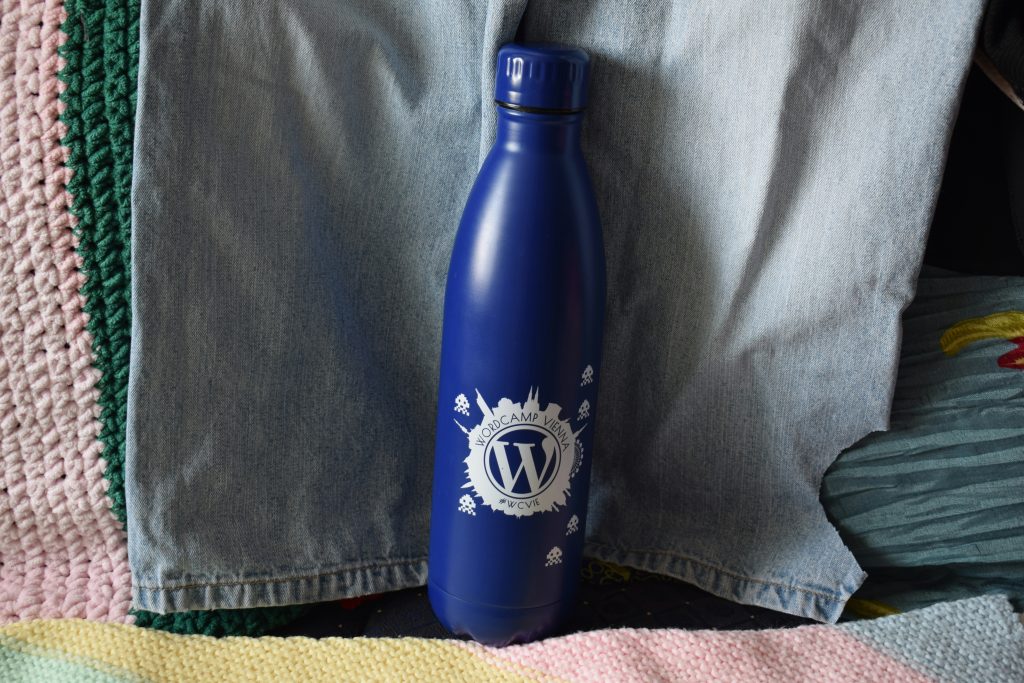
Style and personalization are additional advantages. Tumblers and water bottles come in many colors, sizes, and designs, allowing users to express their personality. Custom designs and branded bottles are also popular gifts and promotional items, making them both practical and attractive.
Health Benefits
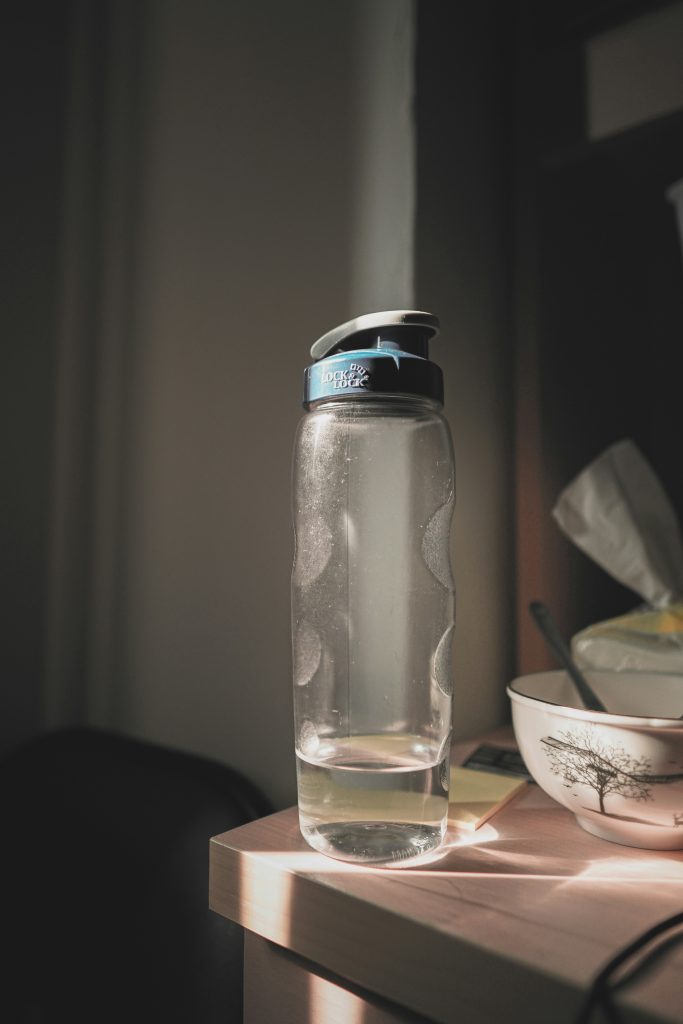
Using reusable water bottles can support healthier habits. People who carry water with them are less likely to choose sugary drinks, which can reduce calorie intake and lower the risk of obesity, diabetes, and tooth decay. Some bottles are designed for specific purposes, such as sports bottles that encourage frequent sipping or bottles with time markers that motivate users to drink enough water daily.
High-quality bottles made from safe materials such as stainless steel, glass, or BPA-free plastic are designed to avoid harmful chemical exposure. When chosen correctly, these materials can be safer than disposable plastic bottles, especially when exposed to heat.
Risks and Disadvantages of Tumblers and Water Bottles
Despite their many benefits, tumblers and water bottles also have potential risks. One of the most common problems is poor hygiene. If bottles are not cleaned regularly and thoroughly, they can become breeding grounds for bacteria, mold, and unpleasant odors. Drinking from a contaminated bottle can lead to stomach issues, infections, or bad taste in beverages.
Another risk is related to material quality. Low-quality plastic bottles may contain harmful chemicals that can leach into drinks, especially when exposed to heat or sunlight. Bottles that are not labeled as BPA-free or food-safe can pose health risks over time. Even some metal bottles may contain poor coatings that degrade and affect drink safety.
Weight and size can also be disadvantages. Insulated tumblers and stainless-steel bottles are often heavier than plastic ones, which may be inconvenient for children, elderly users, or long trips. Large bottles can also be bulky and take up space in bags.
Temperature-related risks should also be considered. Pouring very hot liquids into bottles not designed for high temperatures can cause burns, leaks, or damage to the container. Some tumblers with sealed lids may build pressure when filled with hot beverages, increasing the risk of spills.
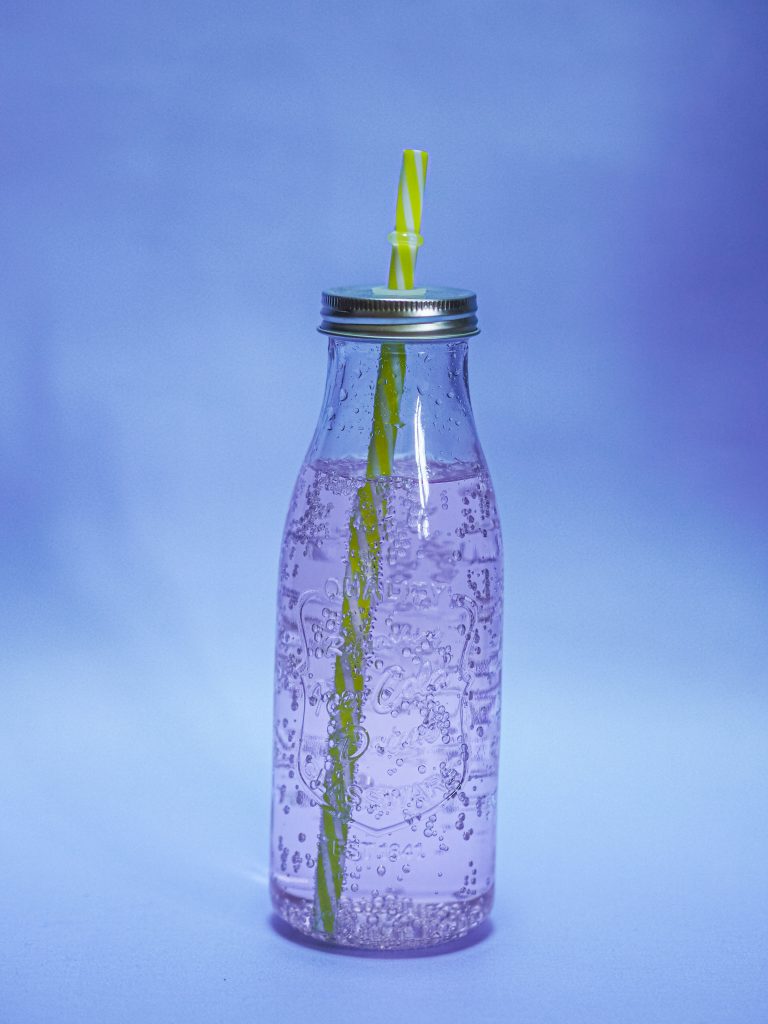
Durability issues are another concern. Dropping bottles can cause cracks, dents, or broken lids. Once damaged, bottles may leak or become unsafe to use. Glass bottles, while eco-friendly and clean-tasting, are especially fragile and may break if mishandled.
Environmental and Lifestyle Considerations
While reusable bottles are environmentally friendly, their benefits depend on long-term use. Constantly buying new bottles due to trends or damage can reduce their sustainability. Choosing a durable, high-quality bottle and using it for years maximizes environmental benefits.
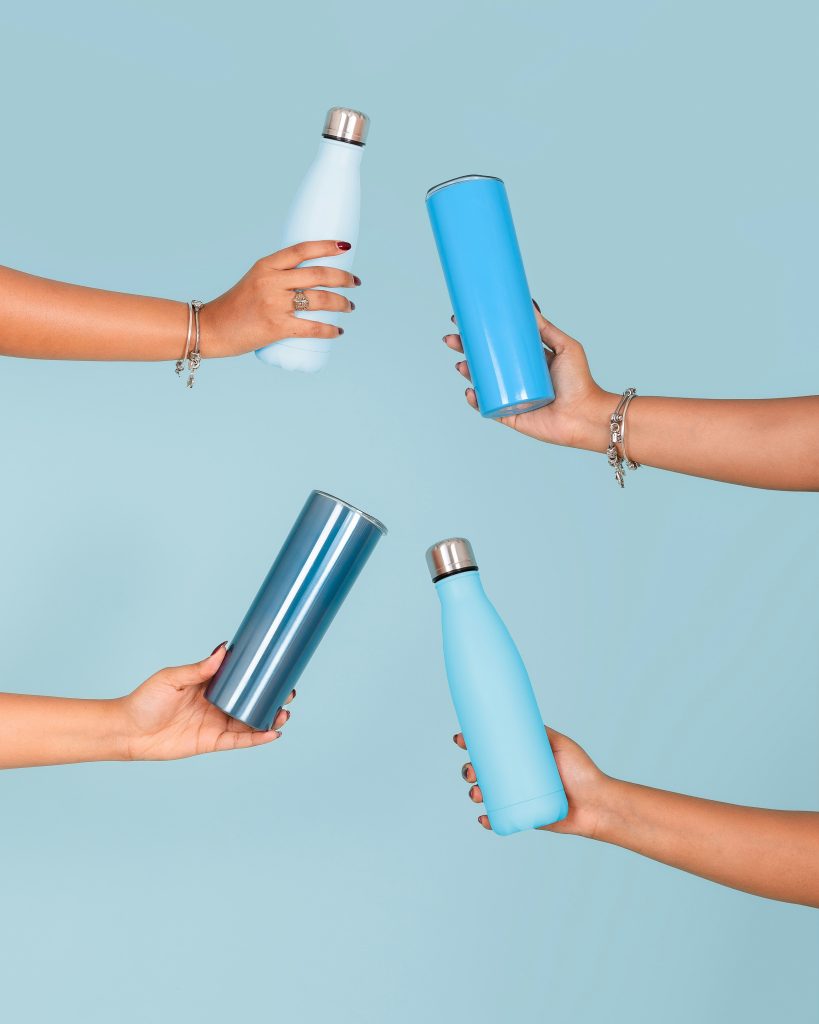
Lifestyle also plays a role in determining the right type of bottle. Athletes may need lightweight and easy-to-sip bottles, while office workers may prefer insulated tumblers for coffee and tea. Travelers may prioritize leak-proof designs, while children need safe, durable materials.
Safety and Usage Tips
To reduce risks and enjoy the full benefits of tumblers and water bottles, proper care is essential. Bottles should be washed daily with warm water and soap, paying special attention to lids, straws, and seals. Using bottle brushes can help reach narrow areas.
Users should choose bottles made from safe materials such as stainless steel, glass, or certified BPA-free plastic. Reading product labels and avoiding very cheap, unbranded bottles can improve safety.
It is also important to use bottles as intended. Avoid placing hot liquids in bottles not designed for heat and never leave plastic bottles in hot cars or direct sunlight. Replacing damaged bottles promptly prevents leaks and contamination.
Conclusion
Tumblers and water bottles offer numerous benefits, including improved hydration, temperature control, environmental protection, convenience, and cost savings. They support healthier lifestyles and encourage sustainable habits when used correctly. However, they also come with risks related to hygiene, material quality, durability, and improper use.
By choosing high-quality products, cleaning them regularly, and using them responsibly, individuals can minimize the risks and enjoy the many advantages these everyday items provide. Tumblers and water bottles are more than simple containers—they are tools that support health, sustainability, and modern living when used wisely.
