
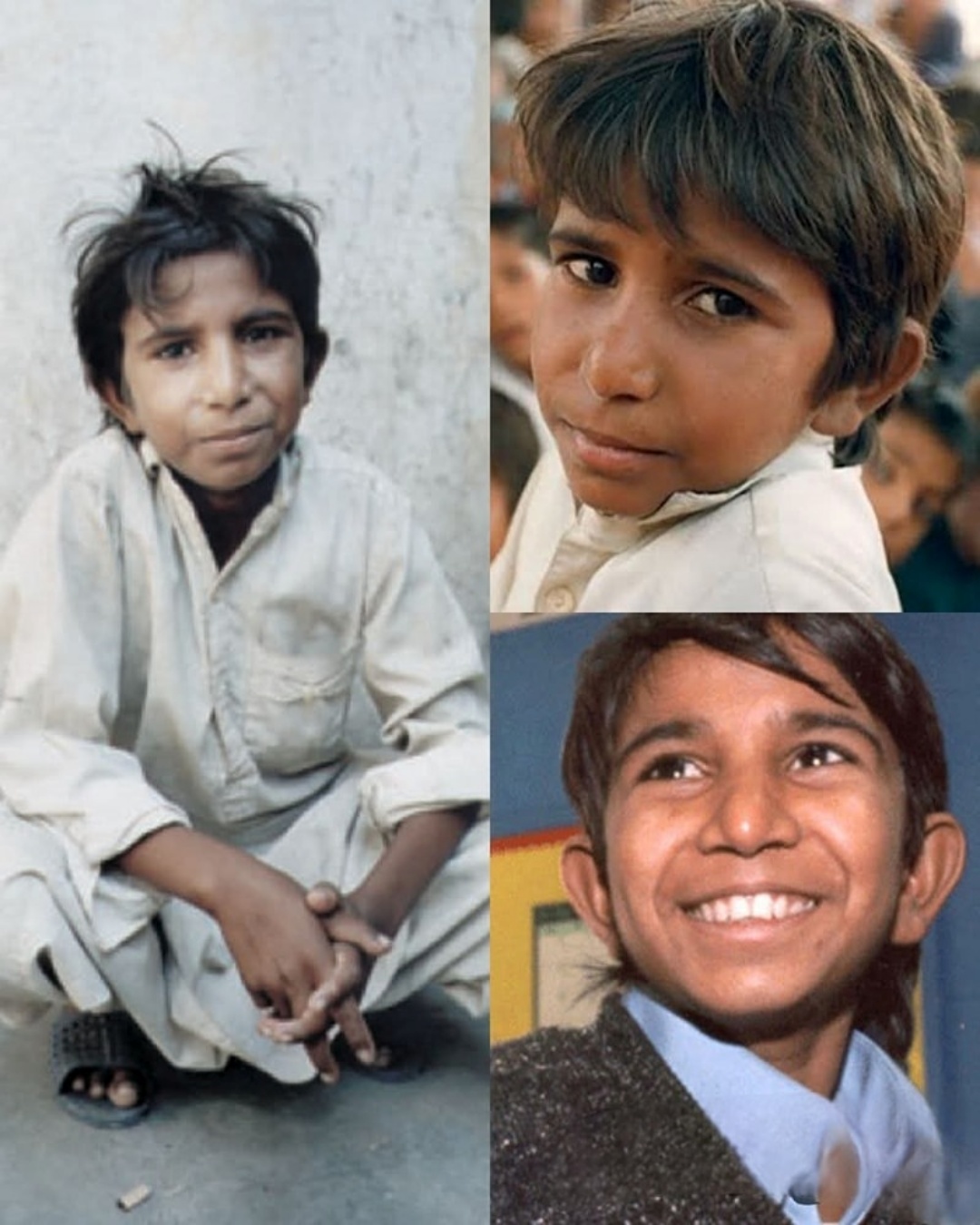
He was only twelve years old when a gunshot ended his life.
But long before that moment, Iqbal Masih had already done something most adults never dare to do — he stood up to a system built on silence.
Iqbal was born in Pakistan in 1983, into poverty so deep it left families with impossible choices. When he was just four years old, he began working in a brick kiln. Childhood, for him, was never about games or schoolbooks. It was about survival. At five, his life changed again — and not for the better. To repay a small family debt, he was sold to a carpet manufacturer under Pakistan’s system of bonded labor.
The loom became his world.
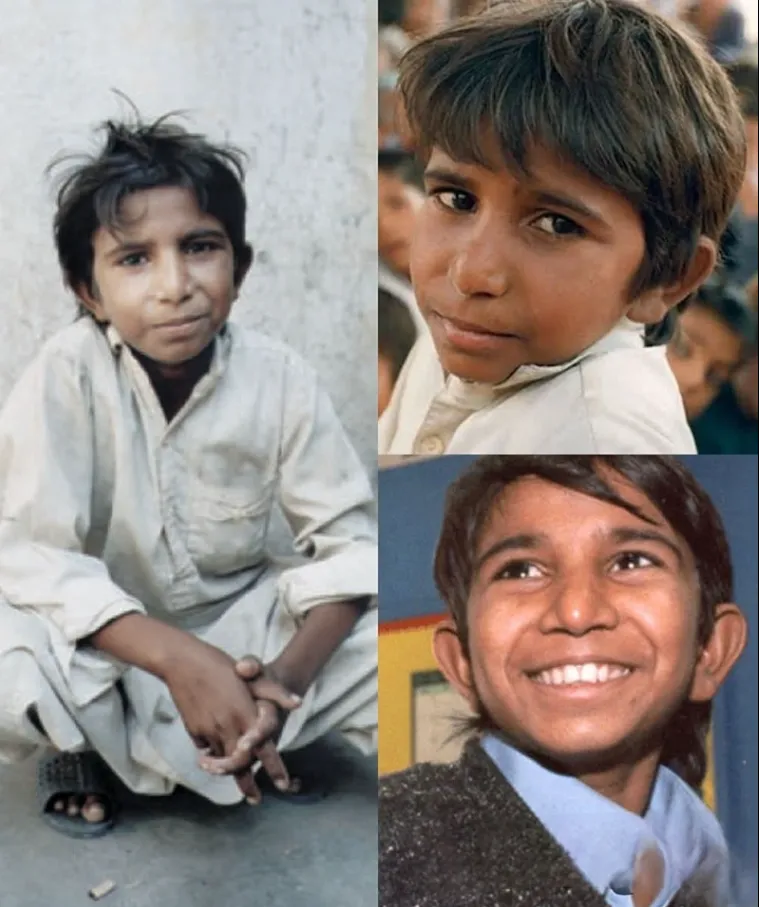
Chained to it for more than ten hours a day, he tied intricate knots with fingers too small to be calloused by such work. His hands were praised for their precision. His silence was expected. Like him, thousands of children were trapped in similar conditions — debts that grew instead of shrinking, childhoods traded for thread and profit.
But Iqbal was different.
He watched. He listened. He questioned.
At ten years old, he escaped and joined a protest organized by the Bonded Labour Liberation Front. That moment marked the beginning of something extraordinary. Instead of hiding, he began speaking. Instead of shrinking, he grew louder.
He endured threats. He endured intimidation. Retaliation reached his family. Yet he refused to bow his head.
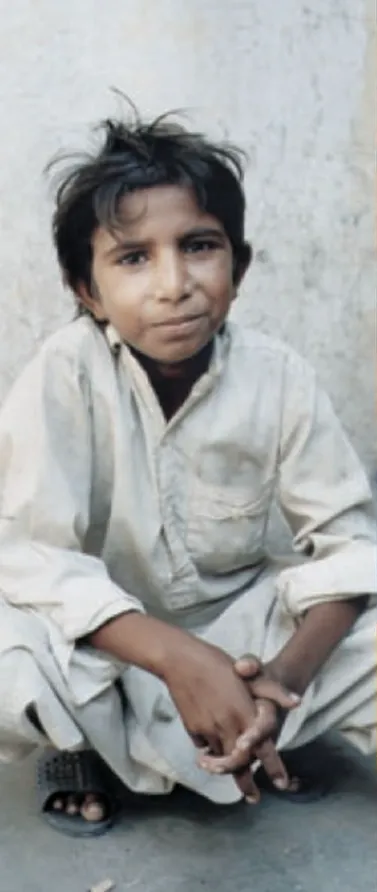
The Bonded Labour Liberation Front gave him shelter in a hostel, where he returned to school. For the first time, he held a pencil not as a luxury, but as a right. He was small for his age, stunted from years of labor and malnutrition, but his mind was sharp and relentless. He was no longer hungry for food alone — he was hungry for justice.
In 1993, Iqbal began traveling beyond Pakistan. He spoke at conferences. He addressed international audiences. He described what it meant to be sold. What it meant to be chained. What it meant to lose childhood to debt.
His voice was soft but unwavering.
He called for a boycott of Pakistani carpets made with child labor. He named the system for what it was: slavery. Adults listened. Governments noticed. Factories were investigated. Hundreds of workshops shut down. Thousands of children were freed or brought into the public eye.
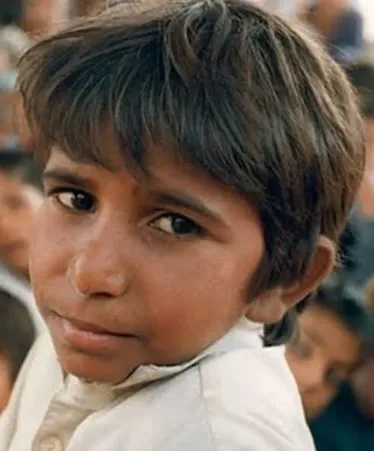
He was still just a boy.
On April 16, 1995, while riding his bicycle near his village, Iqbal was shot and killed. He was twelve years old.
The full truth behind his murder has never been conclusively established. Some believed it was linked to powerful interests threatened by his activism. Others claimed it was unrelated violence. But for those who knew the risks he took, the timing felt heavy with meaning.
His life was brief. His impact was not.
Iqbal once said, “The only tool a child should hold is a pen — not a tool for labor.”
It was not a slogan crafted for applause. It was the truth of his lived experience.
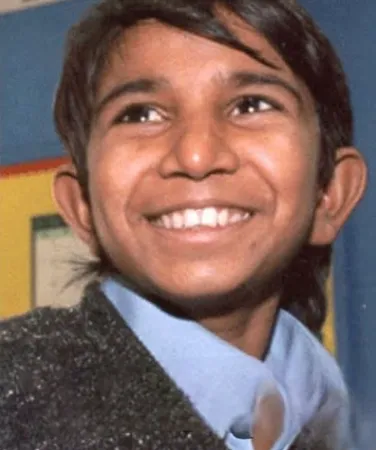
Today, his name is remembered in classrooms, human rights movements, and anti-child-labor campaigns around the world. Awards have been established in his honor. Schools and organizations invoke his story as a reminder that courage does not wait for adulthood.
Iqbal Masih was a child who refused to accept chains as destiny.
May you like
He was a boy who learned to read and decided that knowledge was stronger than fear.
He was twelve years old when he died.
And he had already changed the world.
Let us never forget him.
The Unsettling Legacy of Charles Manson: Seven Years After His Death, The Battle for His Resting Place Continues 7097
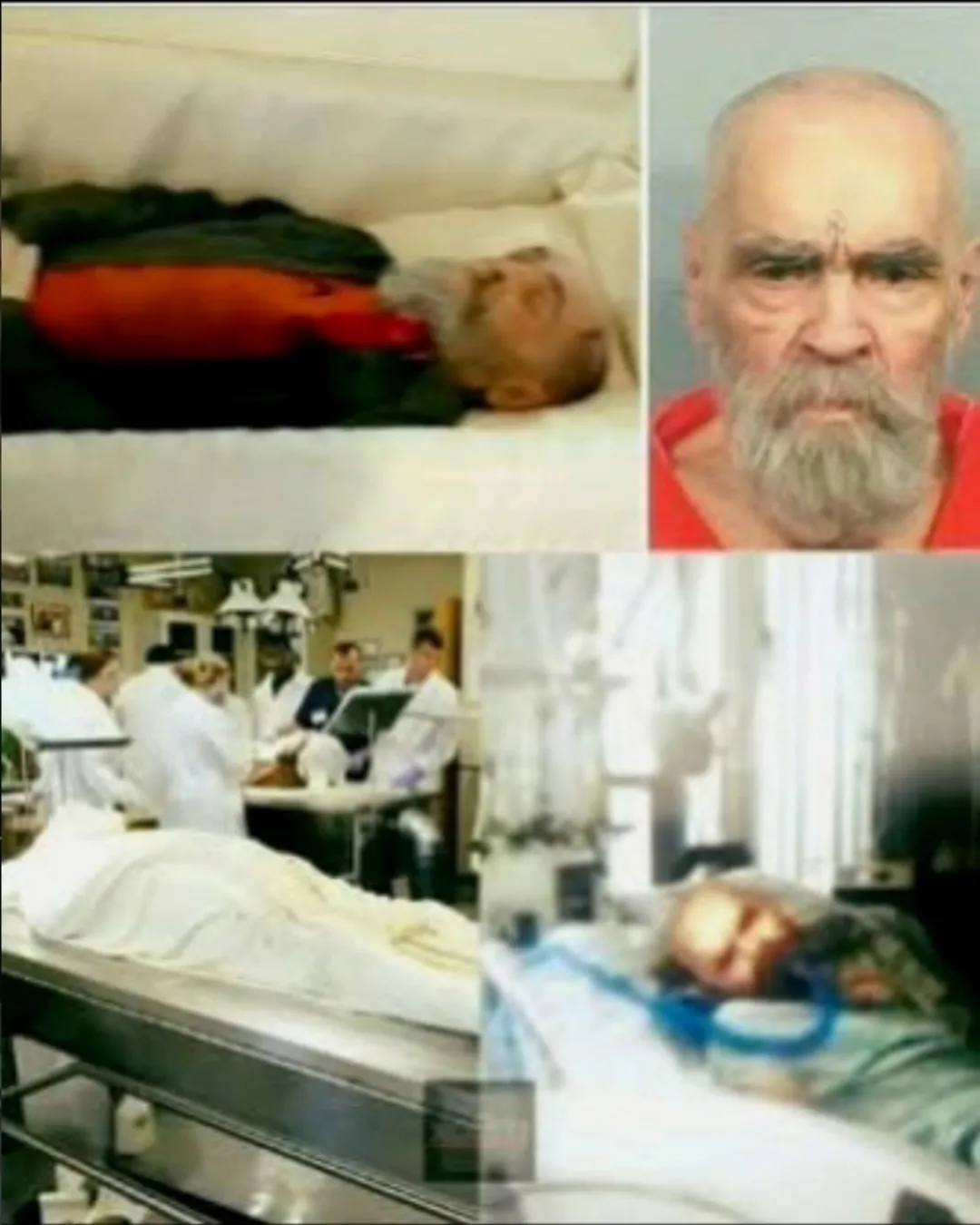
More than seven years after his death, the notorious Charles Manson — the infamous cult leader responsible for the 1969 murders that shocked the world, including the brutal killing of actress Sharon Tate — still has not found a final resting place. Manson, who was serving nine life sentences for his role in orchestrating these heinous acts, passed away on November 19, 2017, at the age of 83, from natural causes while incarcerated at California’s Corcoran State Prison. But even in death, Manson’s story refused to fade quietly.
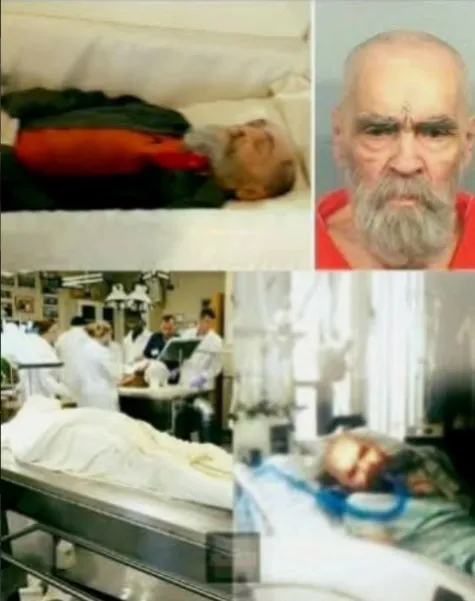
Rather than being buried or cremated immediately after his passing, Manson’s body was placed in cold storage at a California coroner’s office. This began a bizarre and publicized legal battle over his remains. Multiple individuals, each claiming to be Manson’s next of kin, fought for control over his body, sparking a sensational dispute that captivated the media and sparked public curiosity. The case became a spectacle, highlighting not only the continuing obsession with Manson’s infamy but also the deep psychological and emotional wounds left by the crimes he committed.
For months, the legal drama played out in the courts, with claims, counterclaims, and an increasing sense of unease surrounding the dead cult leader. The case became a grim reminder of how Manson’s legacy continued to haunt the public consciousness. His involvement in the murders of Tate and others made him an enduring figure in American criminal history, and even his death couldn’t sever the grip his actions had on the nation.
Finally, after months of legal back-and-forth, a judge ruled in favor of Manson’s grandson, settling the dispute and determining who would control his remains. However, this decision did little to quell the morbid fascination with Manson’s life and crimes. His story continues to provoke controversy, fueling a sense of unease and curiosity about one of the most chilling figures in modern history.

Even in death, Manson’s legacy endures. His ability to command a group of followers to commit senseless murders left an indelible mark on American society and culture. Seven years after his death, the unsettling nature of his life and actions still lingers, casting a dark shadow that continues to captivate those drawn to the mystery of his influence. A reminder of the depth of depravity that can exist within humanity, Manson remains one of the most infamous figures in criminal history, his unsettling legacy refusing to be laid to rest.