
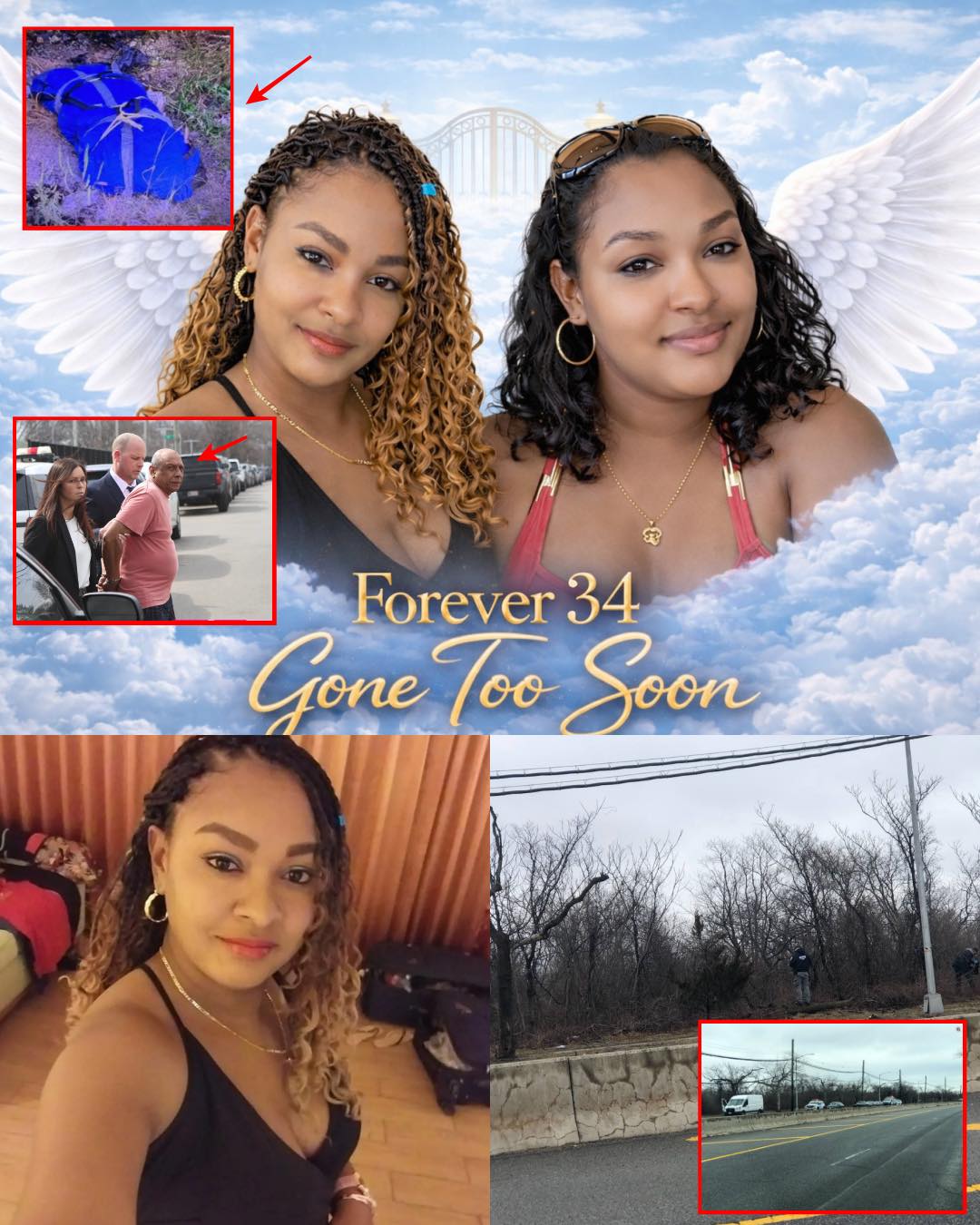
In a case that has stunned New York and reverberated across the Caribbean diaspora, authorities in Queens, New York have arrested a 75‑year‑old man accused of killing and dismembering his 34‑year‑old wife.
Police say the victim, Salisha Ali, had been reported missing in July 2025 after she was last seen alive during a FaceTime call with family members.
On that day, her husband Rupchand Simboo filed a missing persons report, telling investigators that he did not know her whereabouts, a claim that would later prove misleading.
For months, the disappearance left Ali’s loved ones searching for answers, fearing the worst as time passed with no sign of her.
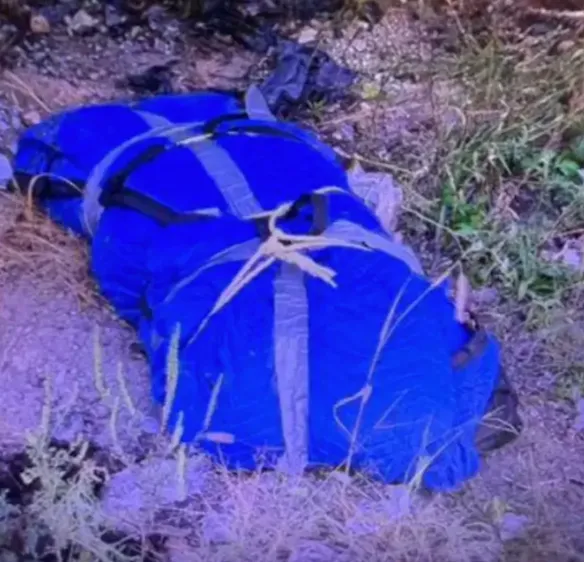
The trail of tragedy began to unfold in September 2025, when sanitation workers clearing trash near JFK Airport discovered a decomposing torso wrapped in tape and rope inside a garbage bag.
Initially, the torso was missing its head, arms, and legs, but distinctive tattoos helped authorities identify it as belonging to Ali — including tattoos commemorating her three daughters.
At the time, the shocking discovery raised immediate concerns among law enforcement and the public alike, who were left to wonder how such a brutal act could have unfolded.
Months later in March 2026, detectives conducting an intensive search of the Jamaica Bay Wildlife Refuge near Broad Channel made another horrifying discovery — a severed head, leg, and arm.
For the first time, investigators could definitively confirm that Ali’s body had been scattered across two widely separated locations in Queens.
Police conducted search warrants on Simboo’s home and work garage, where they recovered items consistent with the binders used on Ali’s torso, including plastic shrink wrap, yellow rope, and an identical blanket.

Detectives also traced GPS data from Simboo’s phone and found that he had been present at the locations where Ali’s remains were found soon after she disappeared.
Authorities say that evidence points strongly to Simboo’s involvement in the homicide and subsequent concealment of the body, allegedly in an effort to evade detection.
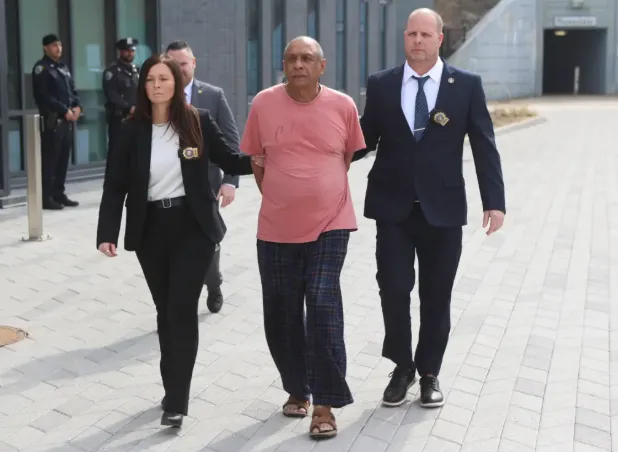
On March 11, 2026, police arrested Rupchand Simboo inside his home in South Ozone Park, Queens, charging him with murder in the second degree, concealment of a human corpse, and tampering with physical evidence among other counts.
Queens District Attorney Melinda Katz said at a press conference that Simboo had gone “extraordinary lengths to evade responsibility for the brutal killing of his wife,” including discarding critical evidence in remote locations.
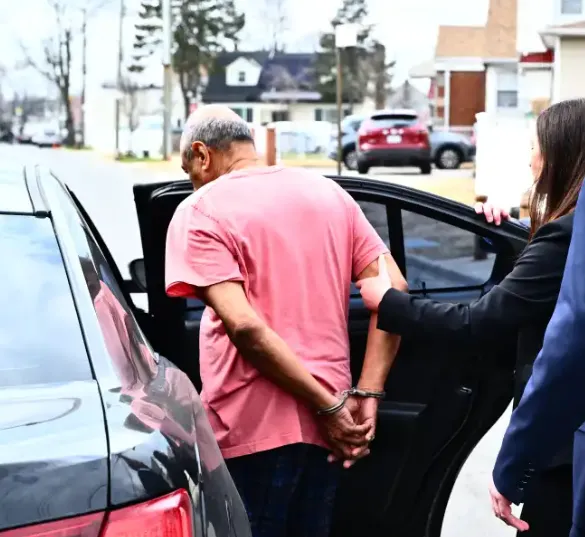
Simboo was arraigned in Queens Criminal Court, where a judge ordered him held without bail pending further proceedings; he faces up to 25 years to life in prison if convicted.
The chilling details of the case paint a picture of horror that has left neighbors in disbelief. Some residents described Simboo as a quiet, unremarkable man with whom they’d occasionally seen Ali socializing on their porch, unaware of the violent events that lay beneath the surface.
May you like
“I’d usually see them around summer,” one neighbor told reporters, noting how ordinary their daily behavior once seemed — a stark contrast to the grim discoveries that emerged months later.
Simboo and Ali first met in 2023 while she was living in Trinidad and Tobago, according to relatives, and their relationship eventually led to marriage in 2024 after Ali moved to the United States to live with him.
Ali’s family, who had grown increasingly concerned when she stopped responding to daily calls, finally received confirmation of her horrific fate after forensic analysis linked the remains found in both locations to her unique tattoos.
Her mother described how she was drawn into the situation, initially trusting Simboo’s account that her daughter had simply moved out or chosen to cut off contact, only to learn the devastating truth months later.
“I don’t even know how to feel,” Ali’s mother told reporters from Trinidad, her voice thick with grief as she struggled to process the information.
The age gap between Simboo and Ali — more than four decades — and the circumstances of their meeting have also raised questions about the nature of their relationship and whether Ali was brought to the U.S. in part through immigration sponsorship.
Police say they are still investigating the motive behind the murder, and while no official explanation has been released, the methodical dismemberment and the attempt to hide the remains have shocked even seasoned detectives.
Ali’s tragic death has not only left her family devastated but has also underscored the dangers that domestic abuse and isolated relationships can pose, particularly for immigrants far from home.
Local advocates and community members have expressed sorrow and anger that a woman who left her home country for a new life in Queens should meet such a cruel, violent end.
As the case moves through the court system, prosecutors plan to present additional evidence showing Simboo’s presence at the two sites where body parts were located, helping build a timeline of the events that led up to Ali’s disappearance and death.
The gruesome nature of the case has also led investigators to focus on Simboo’s actions in the days following Ali’s disappearance, including how he interacted with police and whether any attempts were made to mislead investigators.

Despite the horror of the discovery, officials say that diligent work by sanitation workers and detectives played a crucial role in uncovering Ali’s remains, ultimately leading to an arrest and bringing some measure of accountability.
For many in Queens, the case remains a sobering reminder of how violence can be hidden behind the facade of ordinary life, changing the narrative for a woman whose future once held promise and hope.

At this early stage, Ali’s loved ones are focused on remembering her life, her move to a new country for a better future, and the unthinkable loss they have endured as they await justice.