
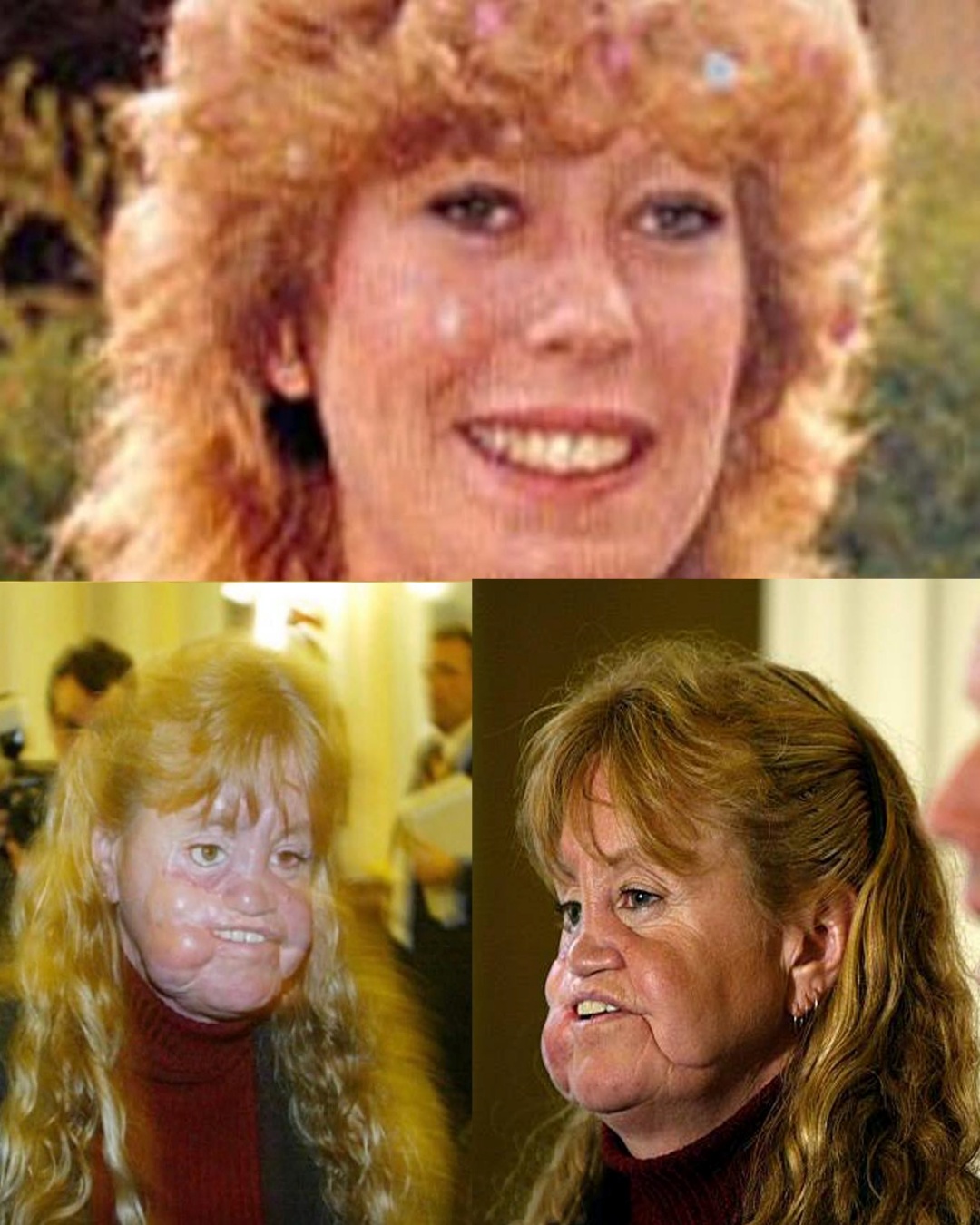
In 1985, a single moment of violence in Australia split Kay Nesbit’s life into a clear before and after.
She opened a door during a personal dispute, expecting words, perhaps anger, perhaps confrontation.
Instead, she was met with the cold barrel of a shotgun raised directly to her face.
There was no warning.
No chance to step back.
No time to understand what was happening.
The blast came at point-blank range.
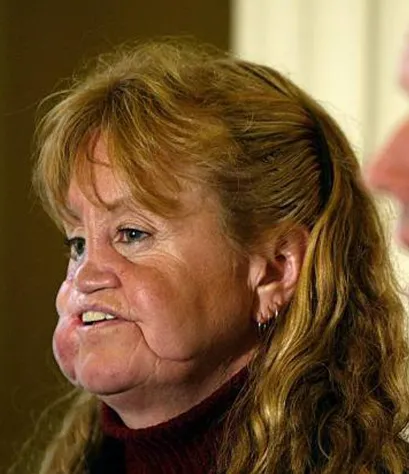
In an instant, her jaw was torn away, part of her nose was destroyed, and one of her eyes was lost forever.
The face she had lived with, the face the world recognized as her, was gone.
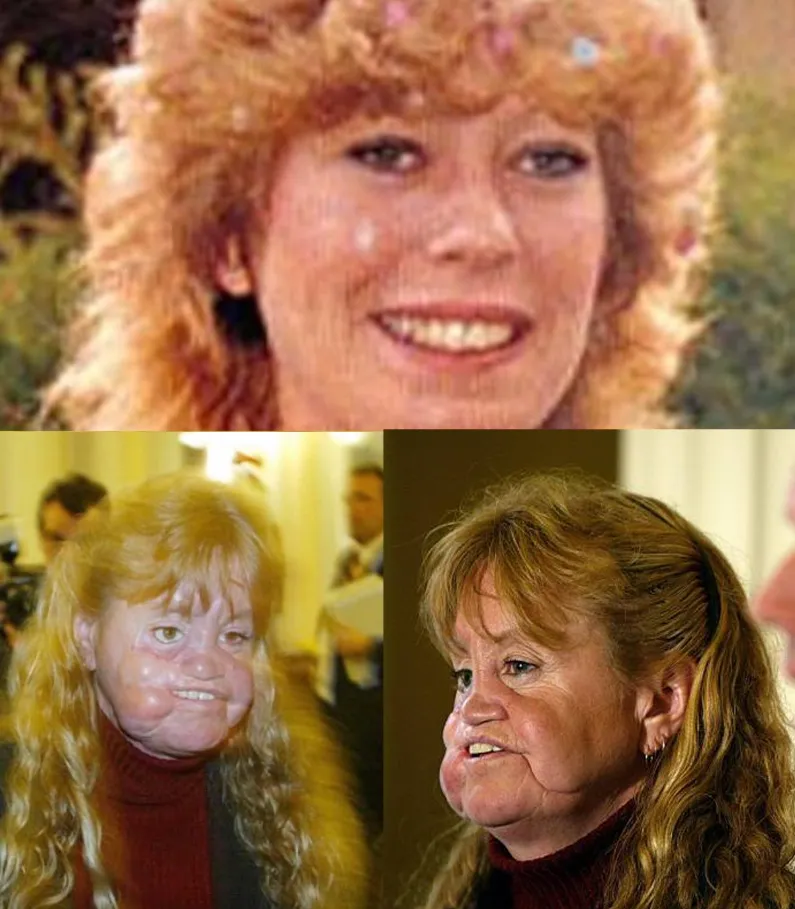
Pain came first.
Then shock.
Then a silence so heavy it felt unreal.
Kay survived the initial blast, but survival was only the beginning.
Her injuries were catastrophic, the kind that push the limits of what medicine can repair and what a human spirit can endure.
Doctors fought to stabilize her, knowing that even if she lived, nothing about her life would ever be the same.
What followed was not one surgery, or two, or even ten.
Kay underwent fifty-seven operations.
Each one meant reopening wounds, reshaping bone, rebuilding tissue, and asking her body to endure again and again.
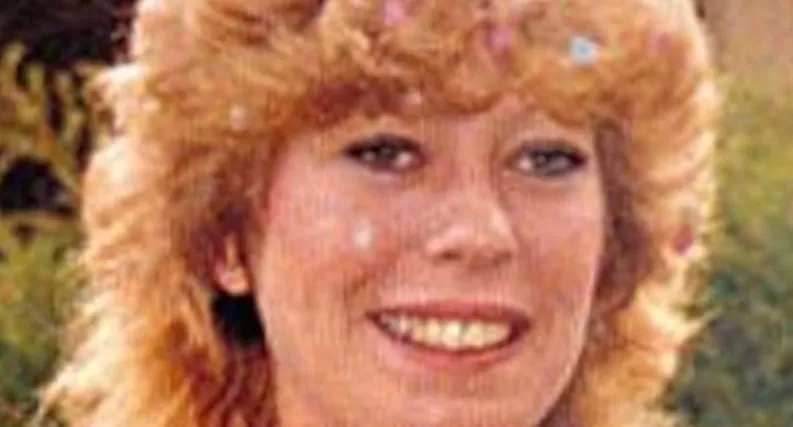
Surgeons reconstructed her jaw using bone taken from her hip.
They rebuilt structure where structure no longer existed.
They worked millimeter by millimeter, operation by operation, over years of painstaking reconstruction.
Between surgeries, Kay lived with pain most people will never know.
She learned to speak again.
She learned to eat again.
She learned to face mirrors again.
And perhaps hardest of all, she learned how to face people.
Society often looks away from visible trauma.
Disfigurement makes people uncomfortable.
Stares linger.
Silence follows.
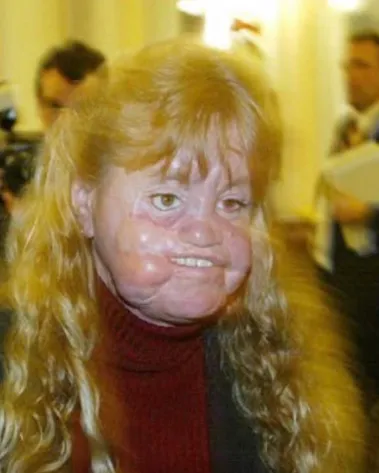
Many in Kay’s position might have chosen to disappear, to live quietly out of sight, to let the world move on without them.
No one would have blamed her.
But Kay made a different choice.
She refused to vanish.
Instead of shrinking, she stood taller.
Instead of hiding, she spoke.
Instead of allowing violence to define her ending, she turned it into a beginning.
Kay began sharing her story, not to shock, but to educate.
Not to relive the horror, but to protect others from it.
She became a fierce advocate for victims’ rights and for people living with facial trauma, giving voice to those often overlooked.
Her message was never about pity.
It was about reality.
About survival.
About dignity.
She spoke openly about the long road of recovery, the emotional toll, and the need for better support systems for survivors of violent crime.
She challenged the idea that healing ends when wounds close.
She reminded the world that recovery is physical, emotional, and social.
Through advocacy, Kay reclaimed control over a narrative that violence had tried to steal.
Her face told a story not of loss, but of endurance.
Her voice carried authority earned through experience, not theory.
What was taken from her can never be returned.
That truth remains.
But what she built afterward is undeniable.
May you like
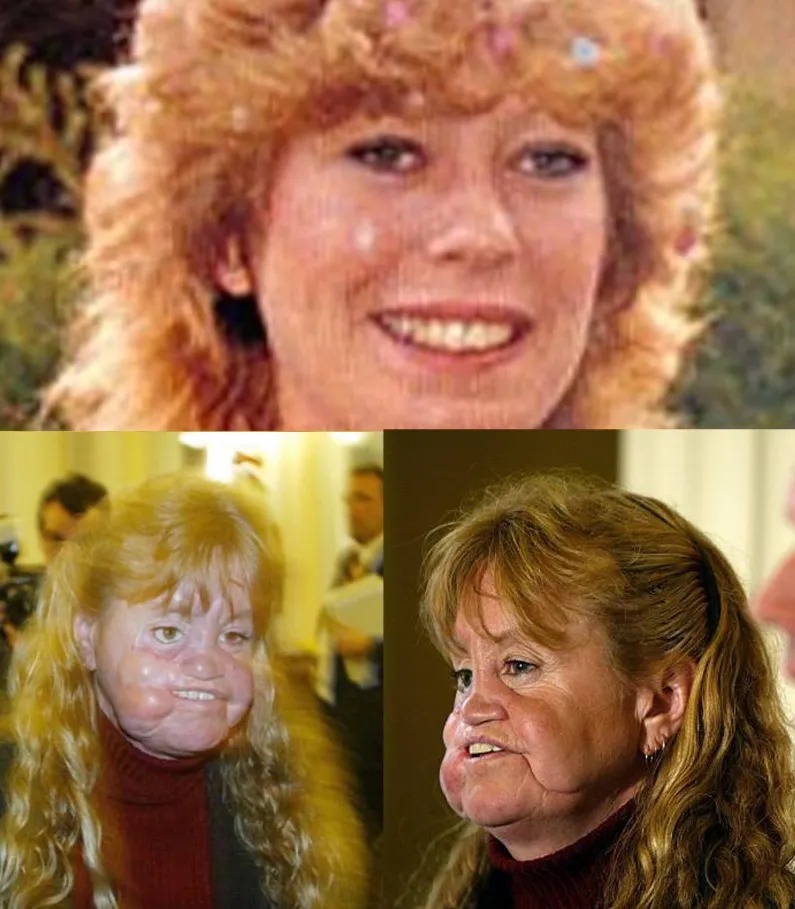
Kay’s life became proof that identity is not confined to bone structure or symmetry.
It is carried in purpose.
In courage.
In the refusal to be erased.
Her story stopped being about what a gun destroyed.
It became about what no weapon could ever touch.
Her resilience.
Her humanity.
Decades later, Kay Nesbit stands not as a symbol of violence, but as a testament to survival.
To the power of choice after trauma.
To the possibility of turning unimaginable pain into protection for others.
She survived the unimaginable.
And then she transformed it into something that continues to matter.
Not just for herself, but for countless people who see in her story the courage to keep going.
A Breakup Turned Deadly — And a Calculated Pursuit Crossed State Lines 6725
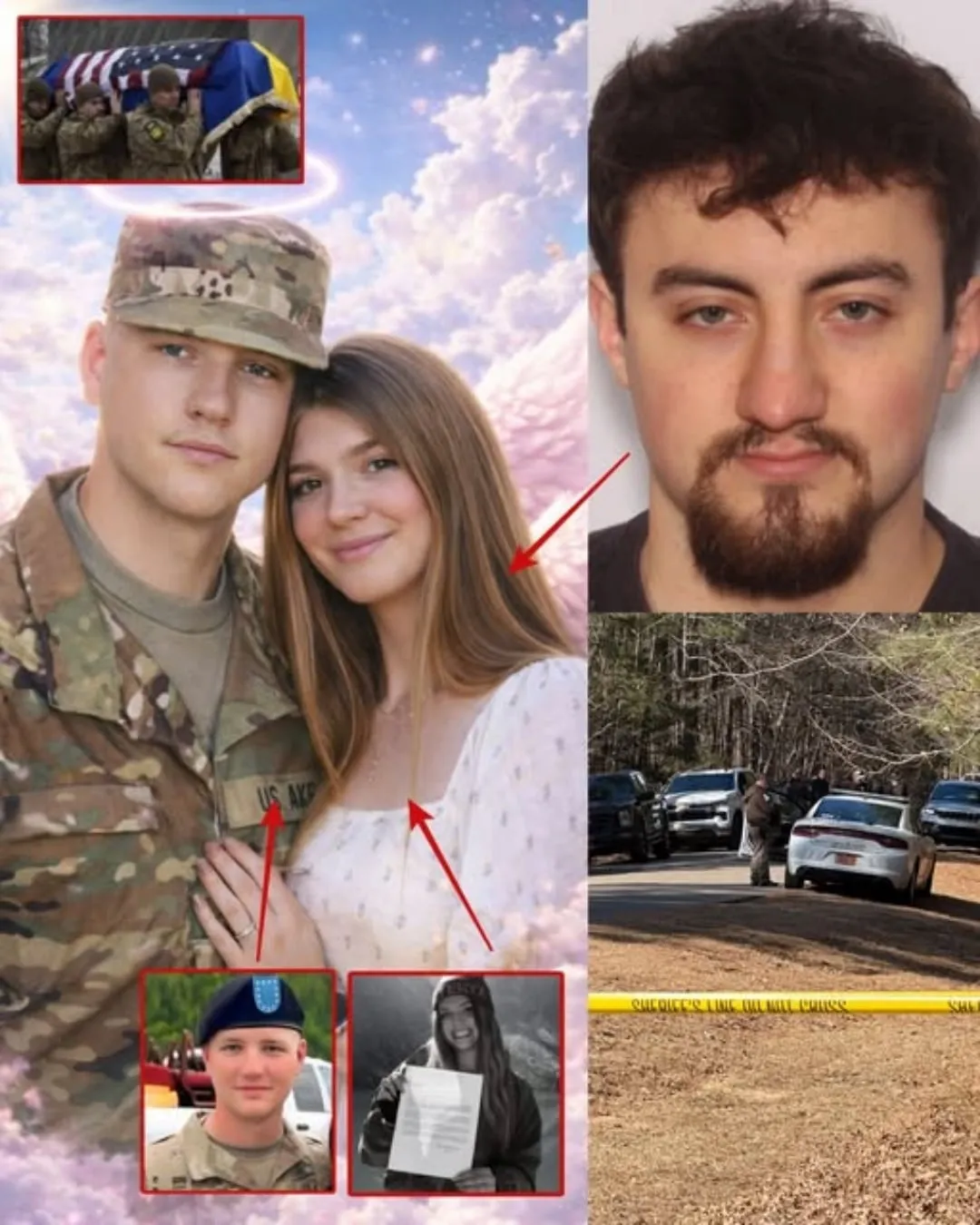
What began as the end of a relationship did not fade quietly into distance. Instead, authorities say, it escalated into a chilling act of violence that shattered multiple families and left a community struggling to understand how separation became fatal. Two lives were taken — a young woman and a soldier stationed at Fort Bragg — in what investigators describe not as a crime of impulse, but one of intent.
According to prosecutors, this was not a sudden explosion of anger. It was a sequence of decisions.
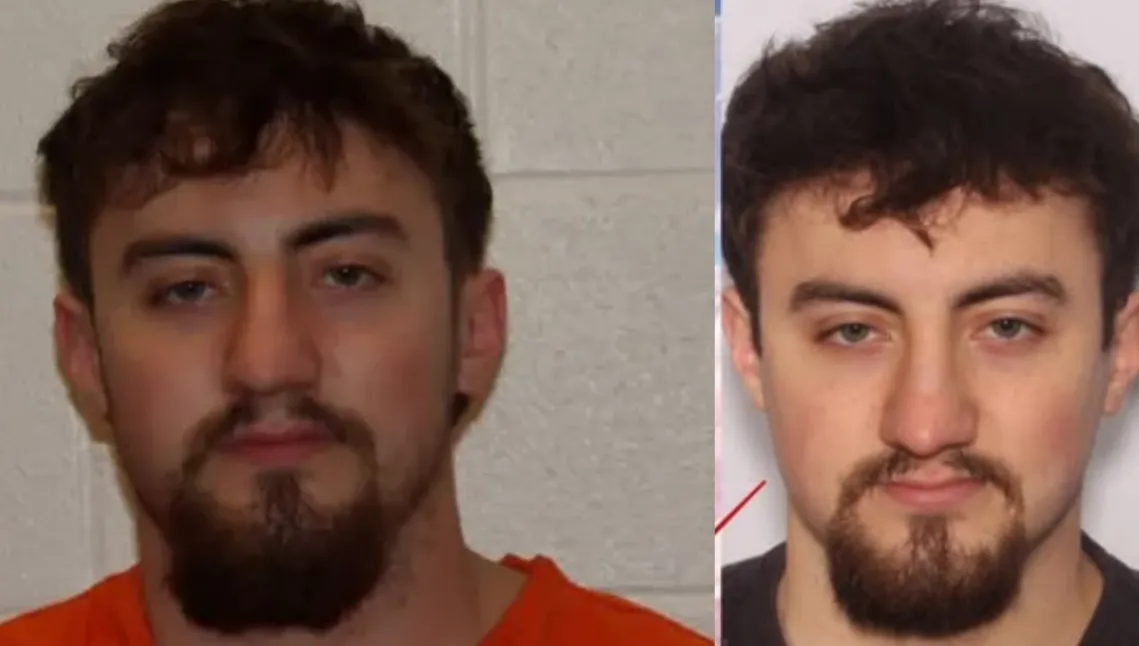
Investigators allege that Caleb Fosnaugh planned his actions, tracking movements and timing events in a way that suggests premeditation. Evidence presented in early proceedings points to digital footprints, travel routes, and communications that indicate pursuit rather than coincidence. What unfolded, they say, was not chaos — but calculation.
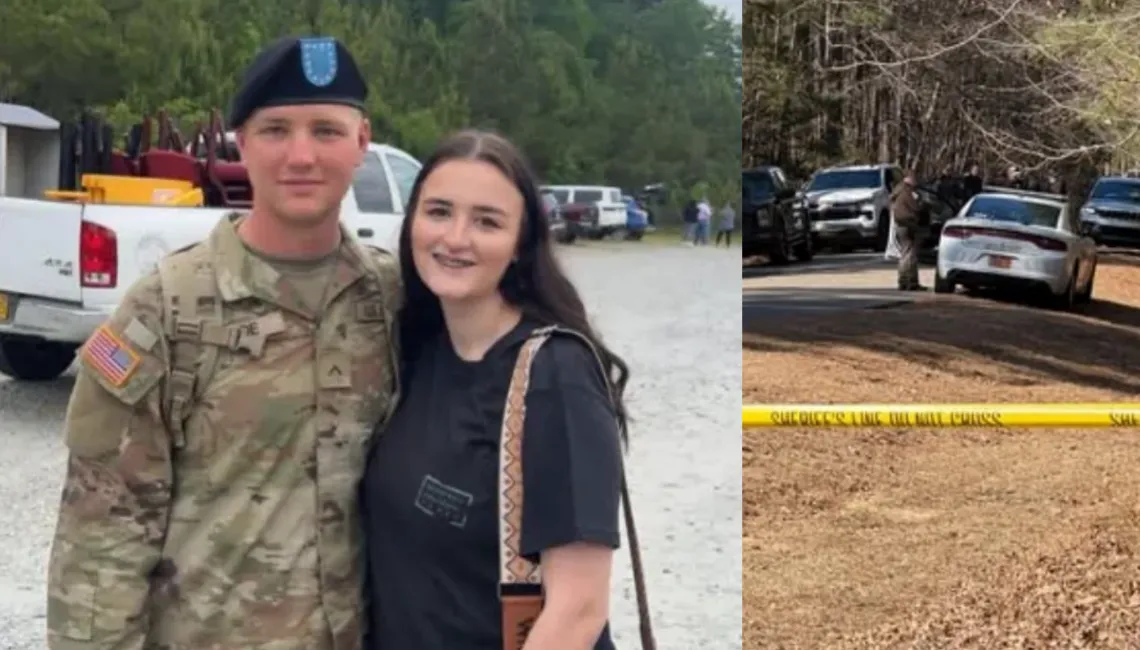
Inside a space that should have been private and safe, violence erupted. Children were present. Children witnessed what no child should ever see. In an instant, their world fractured. Trauma replaced normalcy. The sound of ordinary life was replaced by sirens.
When law enforcement began piecing together what had happened, attention quickly turned to a white Mustang seen speeding toward the state line. The vehicle became central to a multi-agency manhunt. Alerts were issued. Patrol units coordinated across jurisdictions. The search intensified as officers worked to intercept a suspect allegedly fleeing the aftermath.
The pursuit ended with an arrest.
But arrests do not restore lives.
They do not erase the images carried by young witnesses. They do not mend families who must now navigate grief layered with shock. They do not undo the finality of what occurred.
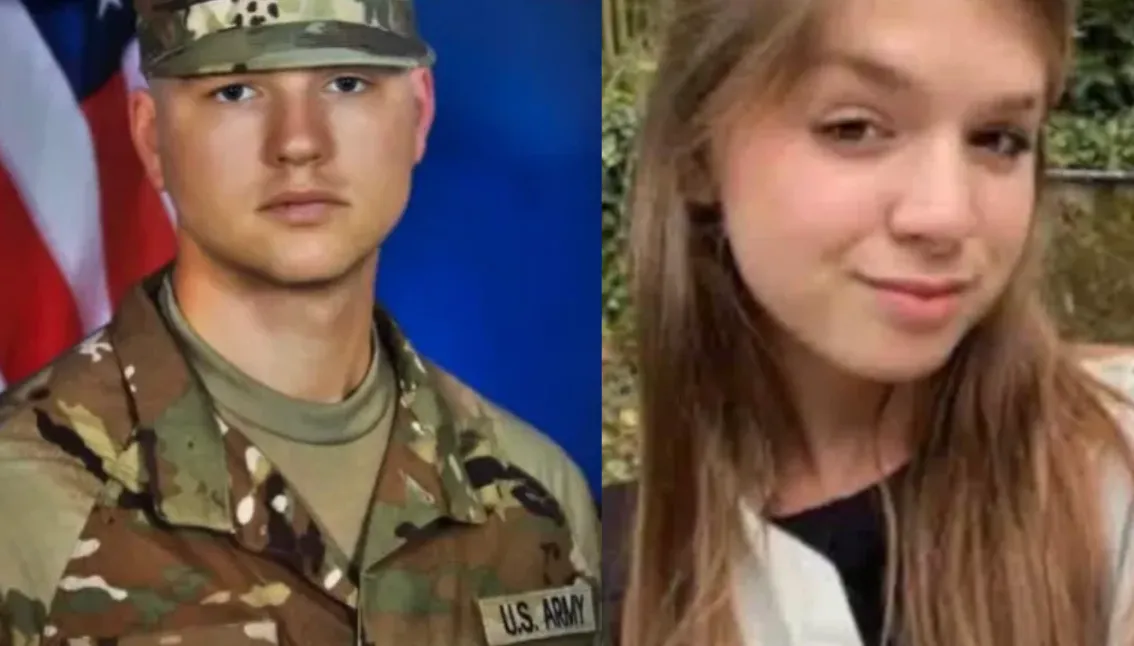
Prosecutors have described the case as an “intentional journey” — a phrase that underscores the gravity of their allegations. Travel patterns and timing are being scrutinized. Digital evidence is being analyzed. Investigators are reconstructing the final hours leading up to the killings, seeking clarity in how a breakup transformed into lethal obsession.
At the heart of the case lies a painful truth: separation does not always guarantee safety. When control, fixation, or resentment take root, distance alone cannot shield someone from harm. Advocates who work in the field of domestic violence have long warned that the period surrounding a breakup can be among the most dangerous. The end of a relationship can trigger escalation when acceptance is replaced by obsession.
Now, two families are left grappling with unimaginable loss.
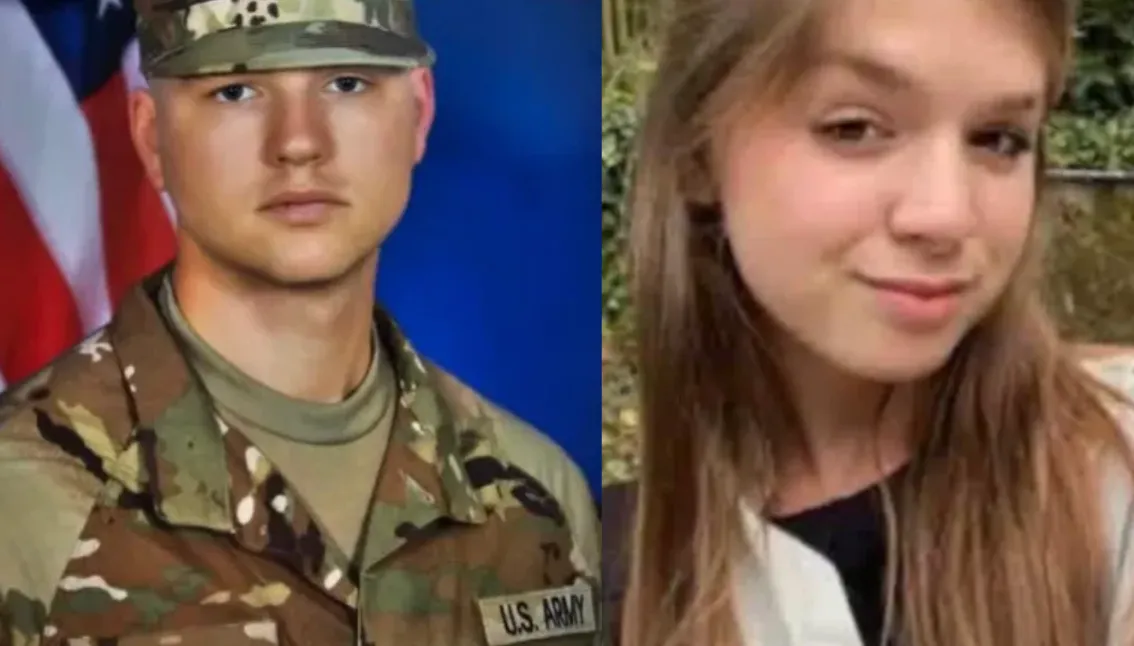
A young woman whose life was still unfolding. A soldier whose service connected him to a larger community. Both gone. Both mourned. Both reduced in public records to the word “victim,” though their identities stretch far beyond that label.
And children — innocent witnesses — carry memories they never asked for.
Court proceedings are only beginning. The legal system will weigh evidence, testimony, and motive. The presumption of innocence remains until guilt is determined in a court of law. But regardless of the eventual verdict, the impact is already permanent.
Neighbors who once exchanged casual greetings now speak of the case in hushed tones. The story has crossed state lines just as the alleged pursuit did, sparking conversations about safety, warning signs, and intervention.
This case stands as a stark reminder that when fixation replaces acceptance, consequences can extend far beyond two individuals. Violence does not exist in isolation. It ripples outward — into classrooms, neighborhoods, and extended families.
As the judicial process moves forward, attention will focus on facts, timelines, and accountability. But beyond the courtroom language lies something simpler and more human: grief.
Grief for lives cut short.
Grief for children forever altered.
Grief for the knowledge that what began as a breakup ended in irreversible tragedy.
And as the community waits for answers, one message echoes clearly: recognizing warning signs, taking threats seriously, and supporting those seeking to leave unhealthy relationships can be the difference between safety and devastation.
The road ahead will unfold in legal filings and court hearings.
But for the families left behind, the journey through loss has already begun.