
On Friday, what should have been a sixth birthday became a day of unthinkable heartbreak.
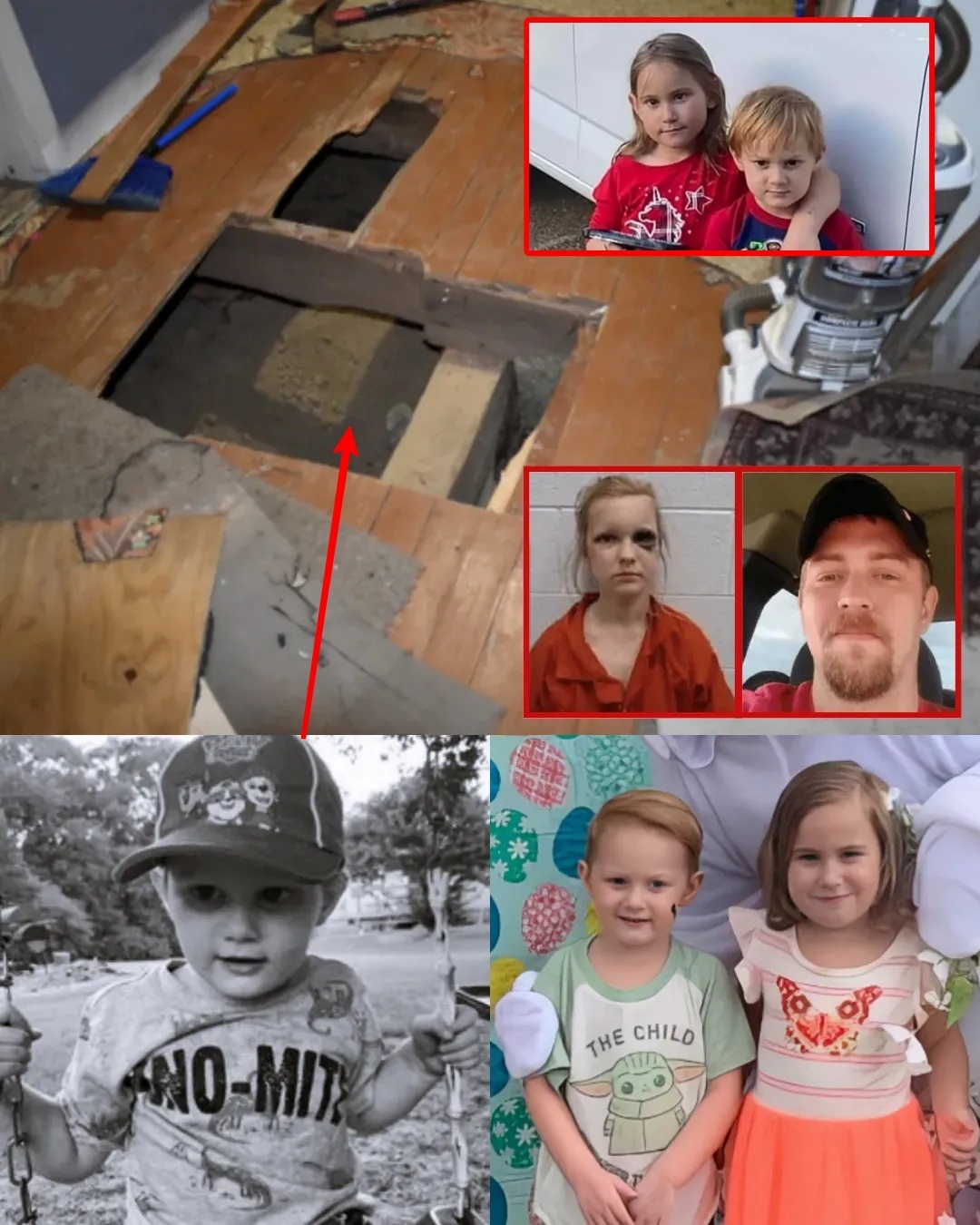
Inside a home in Moro, Arkansas, authorities discovered the remains of a young boy hidden beneath newly secured floorboards. The child was Blu Rolland. According to investigators, he had been deceased for approximately 15 weeks.
The discovery followed mounting concerns from his father’s family, who had repeatedly questioned why Blu was being kept from scheduled custody visits. When his sister was later seen with serious injuries and Blu once again did not appear for visitation, alarm turned into urgency.
Blu’s grandmother made the call that would change everything.
By the time authorities arrived and began searching the property, what they uncovered confirmed fears that had been quietly building for months.
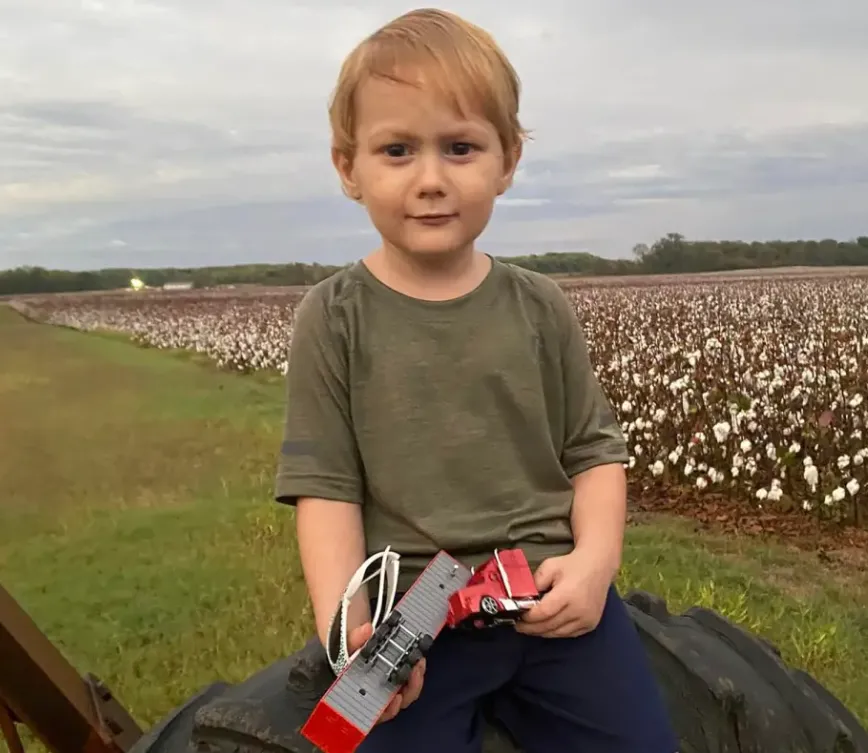
Court documents obtained by media outlets allege that Blu died in early September. According to an affidavit, Blu’s mother, Ashley Rolland, told investigators that her boyfriend, Nathan Bridges, was responsible for the child’s death following what was described as a form of punishment. Bridges has denied wrongdoing through counsel. Both adults have been arrested and charged, including with capital homicide and related offenses. The charges remain allegations pending trial.
In statements to investigators outlined in court records, conflicting accounts were described regarding the circumstances surrounding Blu’s death and what happened afterward. Authorities allege that Blu’s body was concealed inside the home.
The legal process is now underway. Both defendants are being held without bond and are scheduled to appear in court in January. As with all criminal cases, the charges must be proven in court.
But beyond the legal filings and court dates, a family is grieving.
Blu’s father, Dustin Rolland, said he had filed a complaint in mid-September when he was denied court-ordered visitation — unaware that his son had already died days earlier. “I’ve been trying to fight for my kids,” he told reporters. “I wish I could’ve been there sooner.”
For grandparents, aunts, uncles, and loved ones, the pain carries a different layer — the torment of wondering whether more could have been done, sooner.
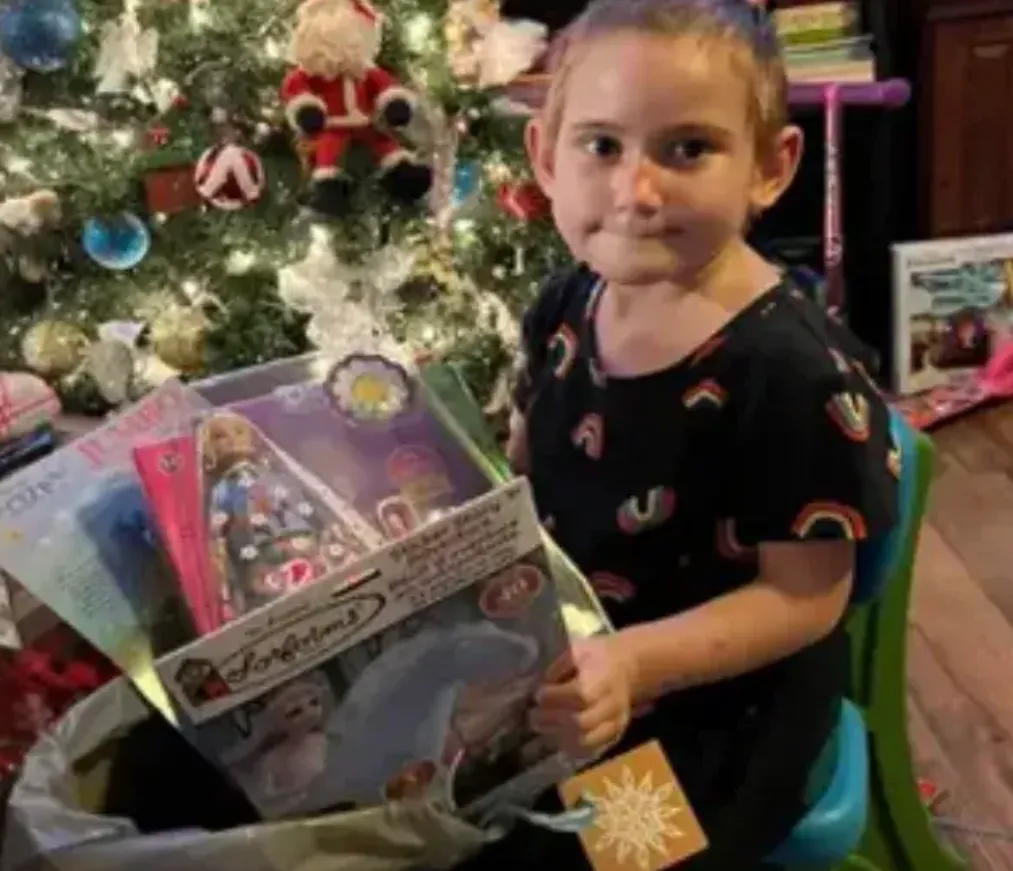
Blu’s sister survived. According to family members and an online fundraiser created to support her recovery, she was found in need of urgent medical attention. The fundraiser, which has raised tens of thousands of dollars, describes a child now beginning a long path toward healing.
“I told her she was safe,” Blu’s grandmother said in an interview. “And just the look on her face was sheer terror.”
That sentence alone has haunted many who have followed the case.
Child protection advocates often say that warning signs in abuse cases can be subtle at first — missed visits, inconsistent explanations, isolation. Sometimes it takes a relative’s persistence to push concerns forward.

In this case, that persistence may have saved one child.
Still, the question that echoes is one that surfaces far too often in tragedies involving children: how did it reach this point?
Communities across Arkansas have expressed outrage and sorrow. Neighbors describe shock that such allegations could unfold inside a quiet residential home. Local residents have left small tokens outside the property — stuffed animals, flowers, candles — gestures of grief for a little boy whose life ended far too soon.
The courtroom will eventually determine criminal responsibility. Evidence will be presented. Testimony will be heard. A jury will weigh the facts.
But there is no verdict that can return a child to his sixth birthday.
There will be no cake.