
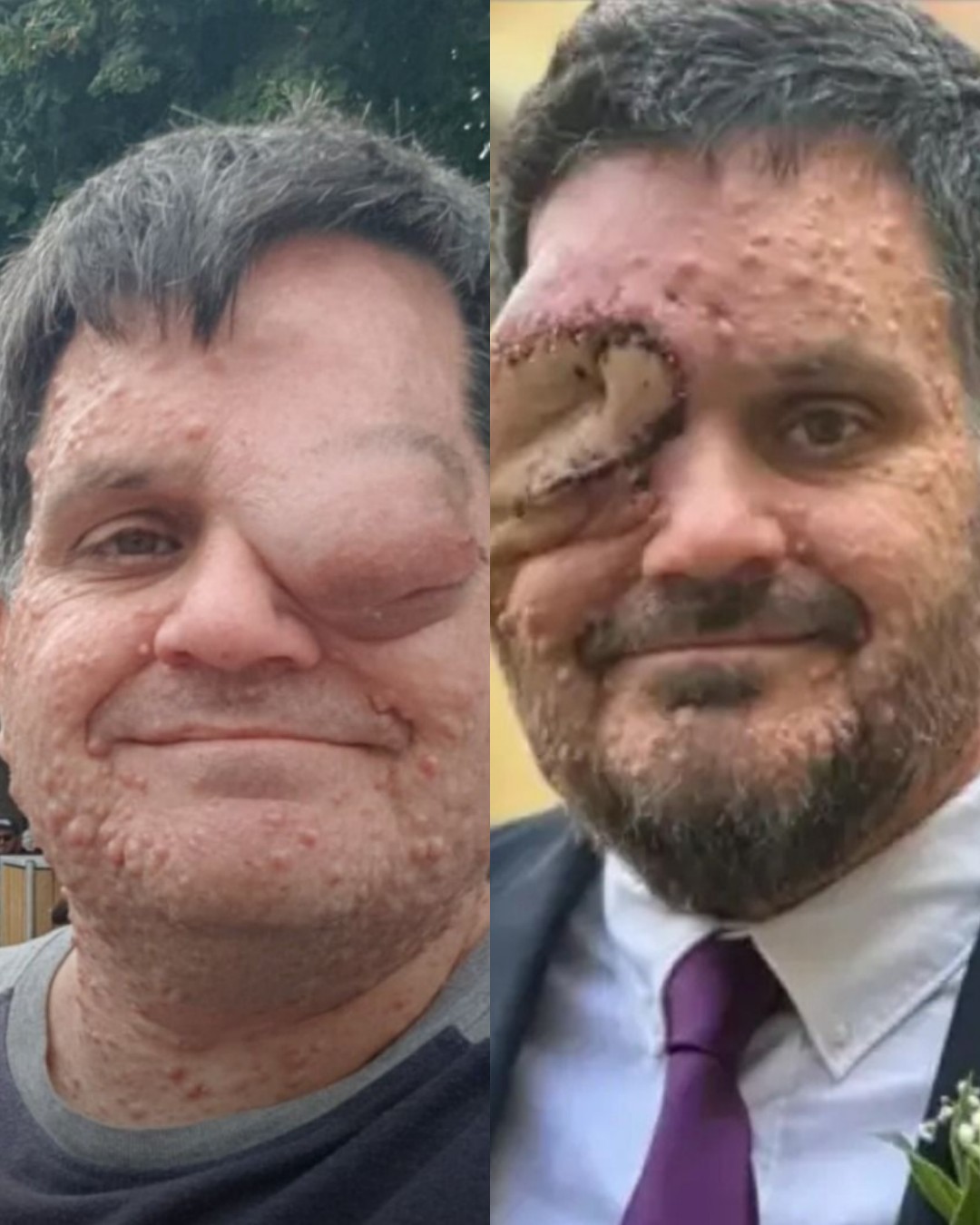
Oliver Bromley’s life took a dramatic turn when he was diagnosed with a rare condition known as neurofibromatosis type 1 (NF1), a disorder that causes benign tumors to grow on nerves, leading to noticeable changes in the skin and facial appearance. For many, living with a visible difference such as this would be challenging, but Oliver faced the added burden of societal stigma, something no one should have to endure.
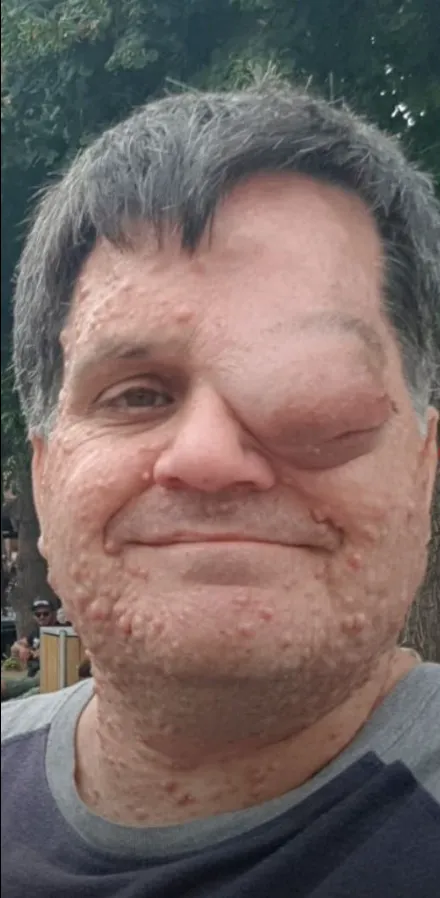
In 2024, Oliver’s story made headlines around the world when he was refused service at a restaurant in London. The staff claimed that his appearance was “scaring” other customers. This heart-wrenching experience was a moment of profound injustice for Oliver, as it revealed the cruel and often unspoken discrimination faced by people with visible physical differences. The incident, however, would not break him; instead, it propelled Oliver into the public eye as a vocal advocate for those living with NF1 and for anyone who faces prejudice because of how they look.
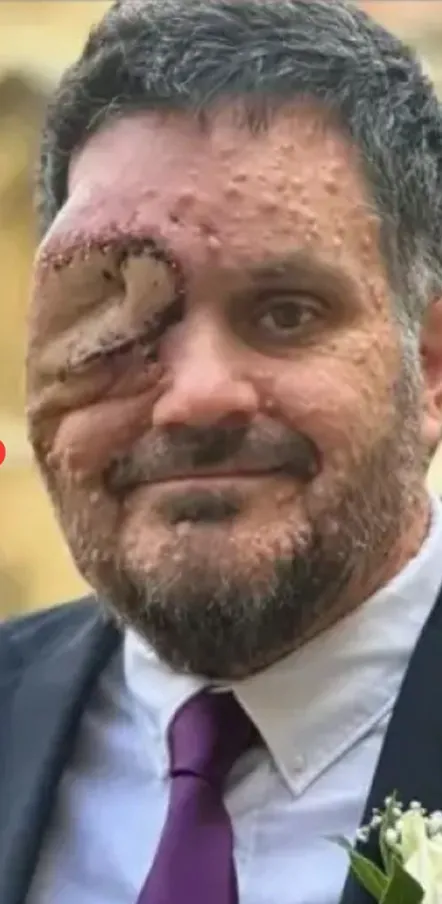
Instead of retreating in shame, Oliver chose to use his voice to raise awareness about neurofibromatosis and the importance of treating others with respect, regardless of their appearance. His story began to spread, reaching not only those who had heard of NF1 but also countless individuals who had experienced similar discrimination. Oliver’s courage to speak out transformed him into a symbol of resilience, shining a light on the harsh realities of how people with physical differences are often marginalized and stigmatized.
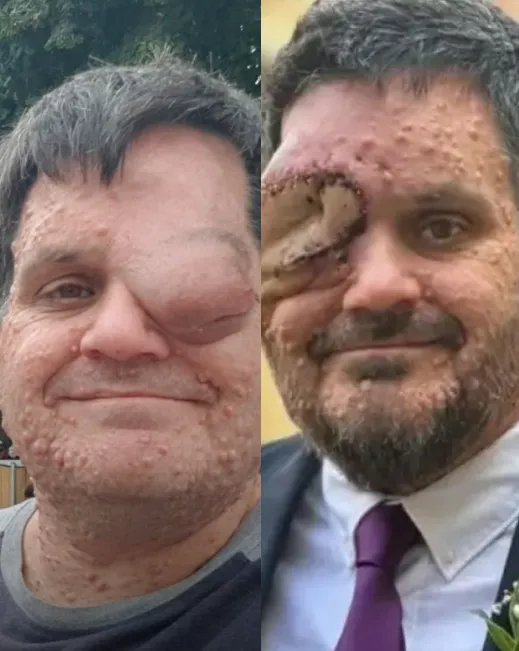
Through his advocacy, Oliver became a champion for inclusion, working tirelessly to educate people on neurofibromatosis and encouraging society to embrace diversity. His fight wasn’t just about raising awareness for NF1; it was about sending a clear message that everyone, no matter how they look, deserves to be treated with kindness and dignity. His journey also reminded people of the need to challenge prejudice, educate others, and stand up against discriminatory practices.
Oliver’s work, born out of pain and frustration, turned into something beautiful—a movement toward greater acceptance. His courage and dedication to challenging discrimination continue to inspire others who face similar struggles, showing that no matter how hard life gets, the power of resilience and advocacy can lead to change. His example is a powerful reminder that, while visible differences may separate us, our shared humanity should unite us in compassion and respect.
As Oliver continues to raise awareness for NF1, his story serves as a beacon of hope for those living with similar conditions, showing them that they too can make a difference. What began as a personal battle against discrimination has turned into a larger fight for equality, where everyone is encouraged to look beyond appearances and embrace the uniqueness of others.
A Life of Pain, Persistence, and Hope: My Journey with MALS 7997
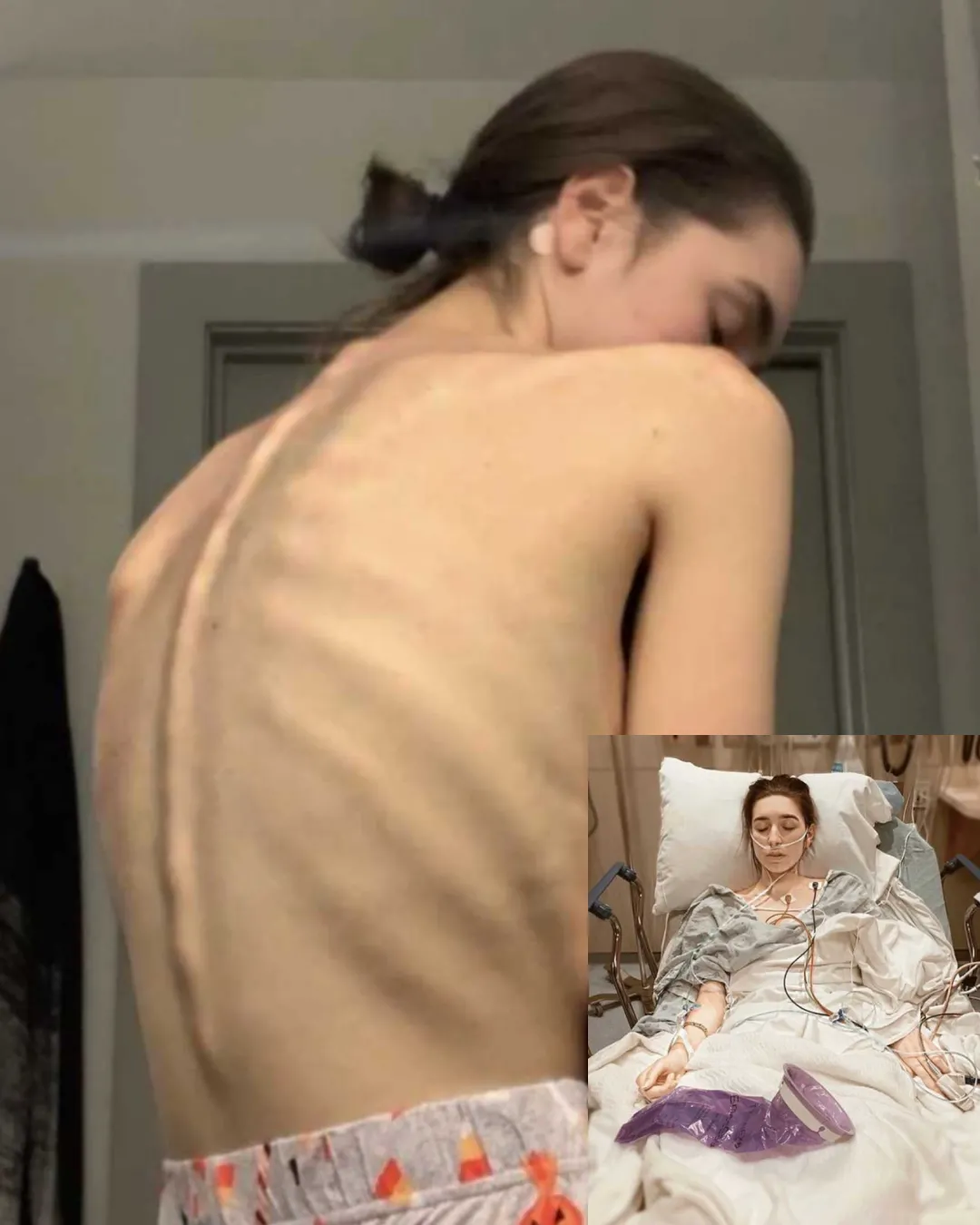
For as long as I can remember, I’ve lived with pain. Not the typical pain that comes and goes, but a constant, debilitating ache that’s intertwined with nausea, fatigue, bloating, and constant discomfort. My name is Olivia Vessillo, and I have a rare congenital condition called Median Arcuate Ligament Syndrome (MALS), a condition that for years went undiagnosed and misunderstood. This story is about my battle with MALS, the years of being dismissed by medical professionals, and finally finding a diagnosis that would change my life forever.
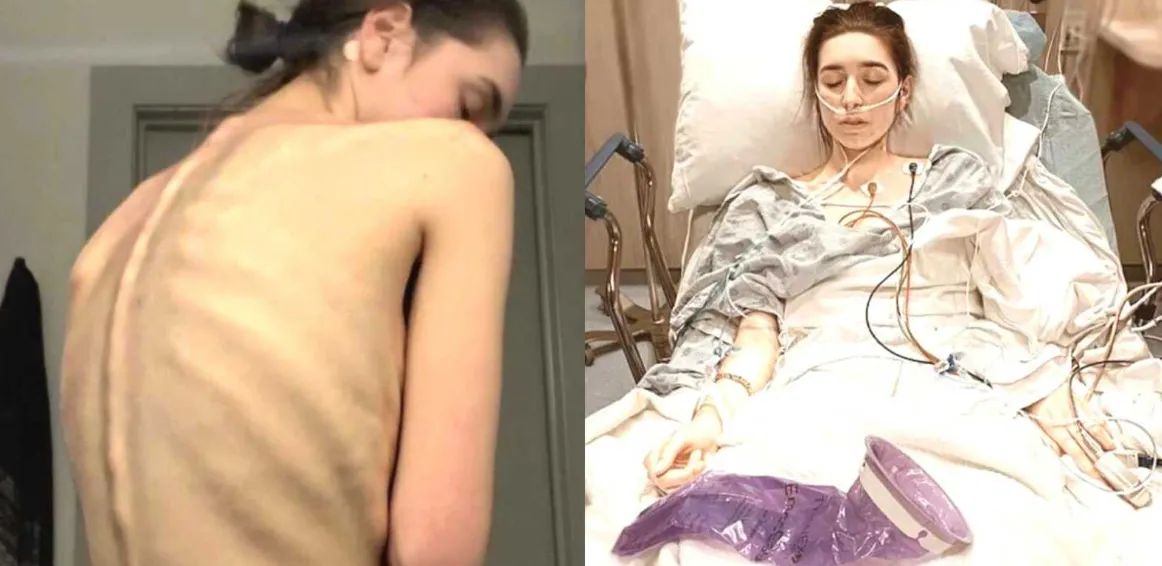
It started when I was just a toddler. I remember begging my parents to let me stay home from school because I felt nauseous, a word most kids don’t even know at that age. But my doctors couldn’t help. I was told it was anxiety. As I grew older, the symptoms worsened, yet my pleas for help were often dismissed. I was told it was all in my head, or that I was simply faking it for attention. No one believed me—no one except for one doctor, my saving grace, who believed in my suffering and ultimately led me to the right diagnosis.

I spent my childhood bloated beyond belief, my stomach distended after eating even the smallest of meals. I burped uncontrollably, louder than anyone should, and constantly felt nauseous, yet every test came back normal. When I finally entered adolescence, the pain intensified. My belly swelled with fluid retention, not fat, due to severe nerve inflammation. I continued to gain weight despite eating less and less, and my energy rapidly declined.
May you like

By the time I was 16, I had given up on finding any answers. I was convinced it was all in my head, that I was just an anxious teenager. But my body continued to betray me. I was a ballerina, my love for dance driving me to push harder and harder, but instead of gaining strength, my body grew weaker. At this point, I was diagnosed with anxiety, a diagnosis that made me feel even more isolated. My symptoms continued to worsen. I had constant epigastric pain, bloating, and debilitating fatigue, which doctors brushed off as a side effect of my “anxiety.”
It wasn’t until years later, in 2018, that I finally came close to getting the answers I so desperately sought. I was living my dream as a trainee in a professional ballet company, but my body was falling apart. The pain was unrelenting, and I was struggling to function. One night, after a show, the pain escalated to unimaginable levels. It felt like my body was failing me completely. I couldn’t breathe, I couldn’t move, and I thought I was dying. That night, my parents finally agreed that something was terribly wrong, and my journey to find the truth about my condition truly began.
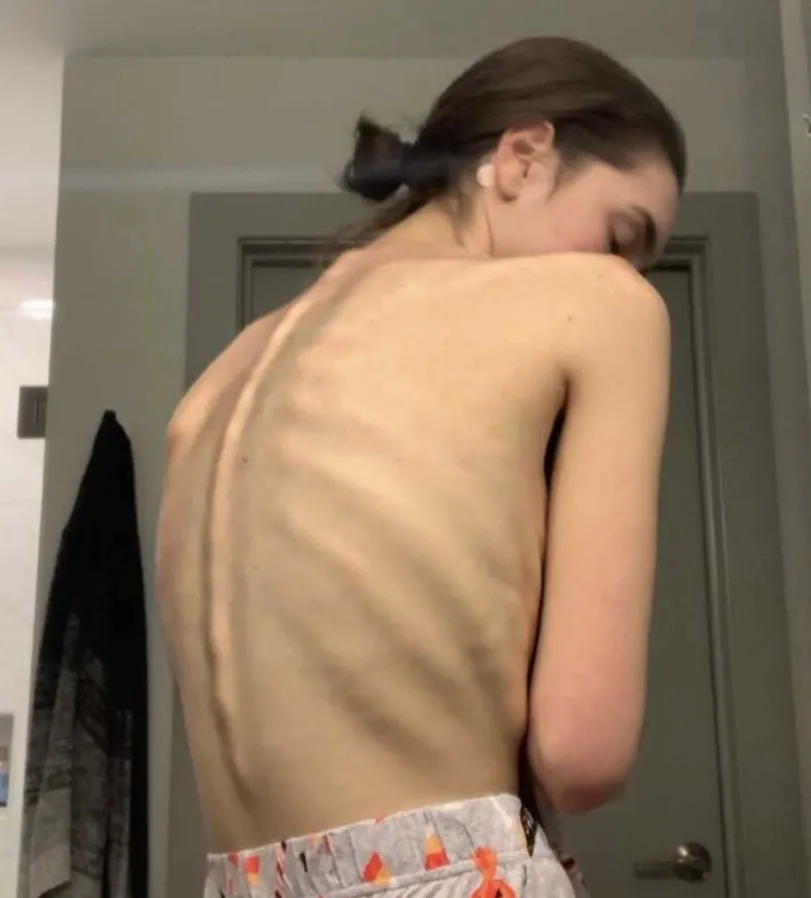
In October 2019, after years of misdiagnoses and suffering, I saw a specialist who would finally provide the answer I had been searching for—MALS. Median Arcuate Ligament Syndrome. It’s a rare condition in which a ligament in the body compresses a major artery and the nerves that surround it. This compression leads to a range of symptoms, many of which mimic other gastrointestinal issues, making it incredibly difficult to diagnose. Finally, after years of being told it was all in my head, I had a name for the disease that had been tormenting me for almost my entire life.
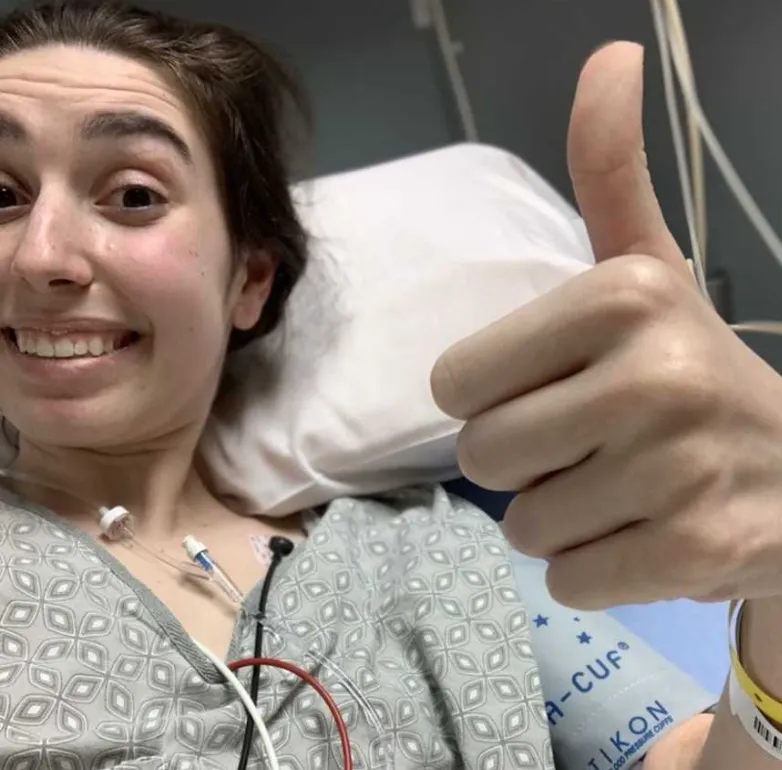
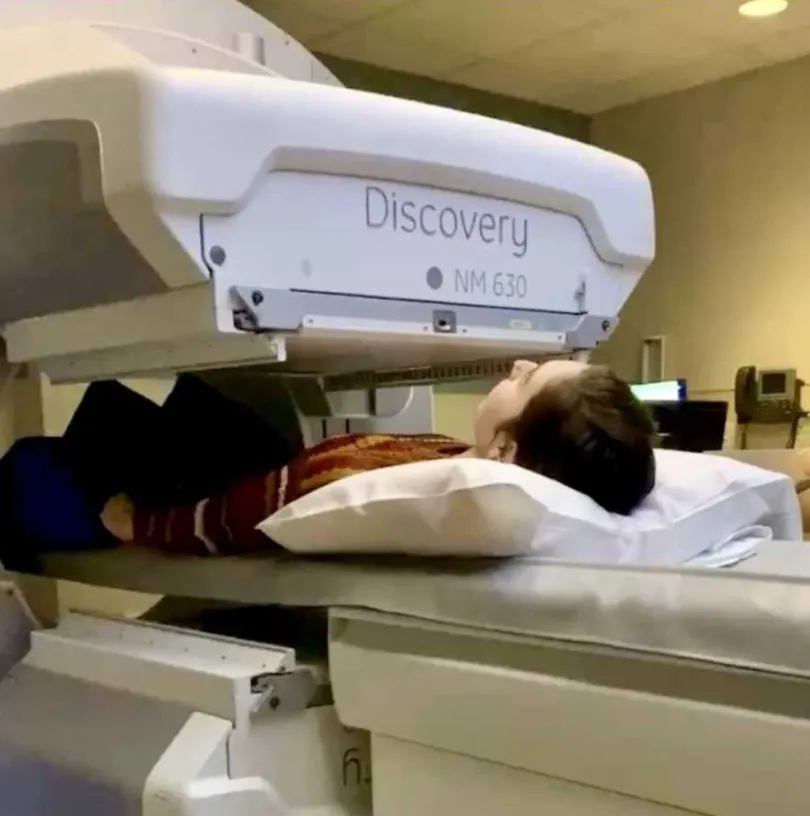
But that was just the beginning of my journey. To truly heal, I needed surgery to relieve the vascular compression. Before I could undergo the procedure, I had to undergo a test called a Celiac Plexus Nerve Block, which would determine if I was a surgical candidate. I went into the procedure hopeful, but things didn’t go as planned. I had an extreme reaction to the contrast dye used in the CT scan, causing my heart rate to spike, my blood pressure to plummet, and my body to go into shock. I was whisked away to the recovery bay, with my family and doctors unsure if I was going to make it.
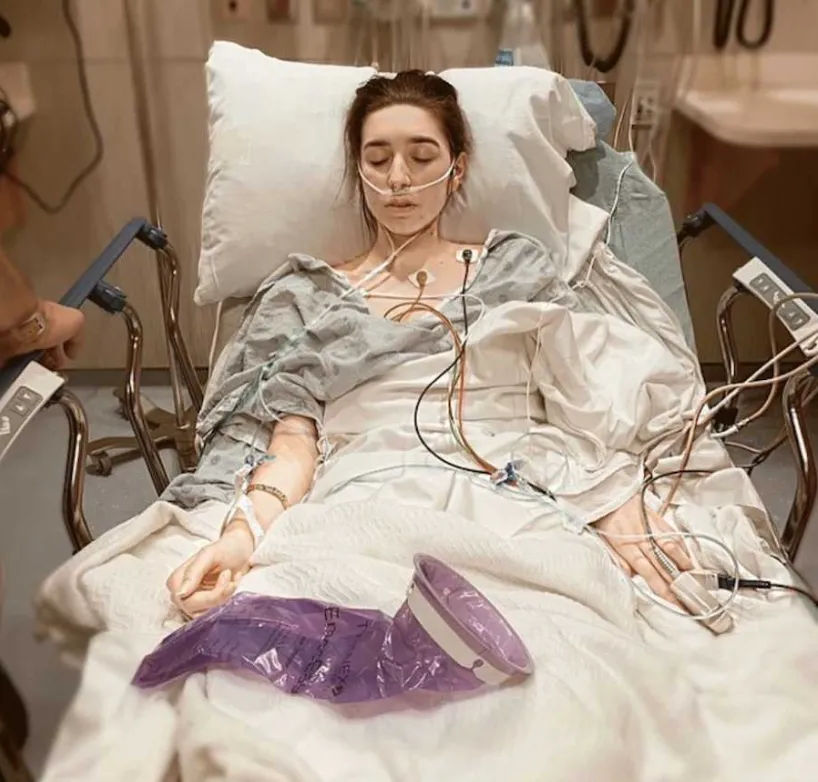
Despite that scare, I didn’t give up. I was determined to get my life back. A month later, after another round of testing, I was given the go-ahead for surgery. That was the moment I had been waiting for. I was finally going to get the help I needed, the surgery that would free me from the constant pain that had ruled my life.
After months of waiting, the surgery was scheduled. And when it finally came, I woke up without the pain, without the nausea, and without the debilitating fatigue. I could walk, I could stand up straight, and I could breathe without feeling like my chest was being crushed. For the first time in years, I felt like myself again. I had my life back.

But my journey isn’t over. I’m still navigating the aftermath of the surgery, and the road to full recovery will take time. However, I’ve learned so much along the way. I’ve learned that no matter how many doctors dismiss you, no matter how many times you’re told it’s all in your head, you must keep fighting for your health. And most importantly, I’ve learned that it’s okay to ask for help, and to never give up on yourself.
If you or someone you know has been suffering with unexplained gastrointestinal symptoms, if you’ve been dismissed by doctors or told it’s all in your head, I hope my story can help. MALS is real, and it’s important to be aware of it. Share this story with anyone who might need to hear it. Your journey to a diagnosis could start here.