
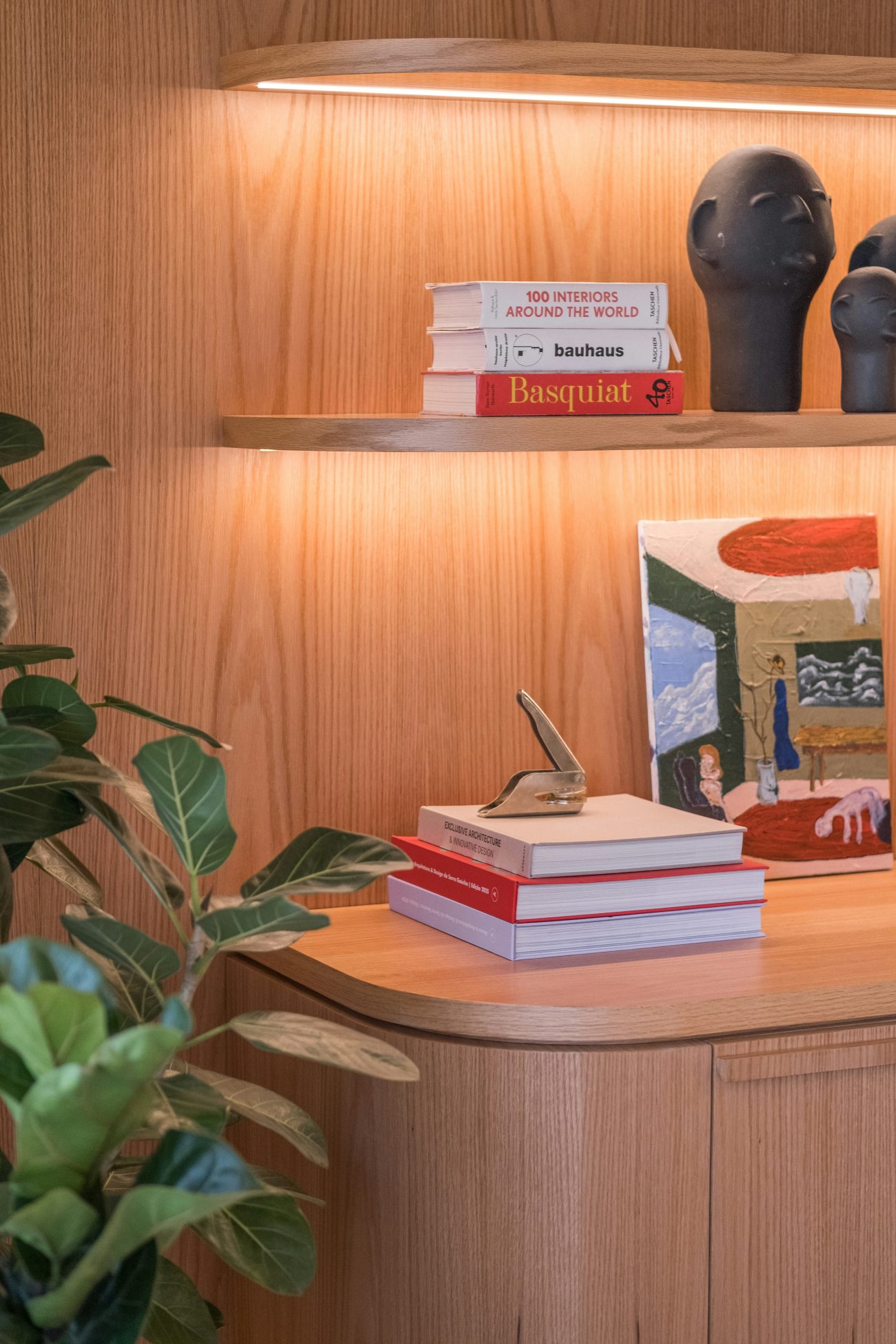
Minimalist shelving displays represent a contemporary design approach that emphasizes simplicity, functionality, and aesthetic clarity. Unlike traditional shelves that may carry a multitude of decorative items, a minimalist shelving system focuses on clean lines, neutral colors, and a restrained selection of objects. The core philosophy is “less is more,” prioritizing space, order, and calm visual appeal. Minimalist shelving is not just a storage solution; it’s a design statement that merges utility with artistic sensibility.
Key Characteristics of Minimalist Shelving Displays
- Clean Lines and Geometric Shapes
Minimalist shelving often features linear designs, whether horizontal, vertical, or modular. Geometric consistency creates visual harmony, ensuring that each shelf contributes to the overall aesthetic without unnecessary complexity. Rectangular and square shapes dominate, but circular or irregular floating shelves are also popular in modern minimalist designs. - Neutral Color Palettes
Colors play a crucial role in minimalist design. Whites, blacks, grays, and natural wood tones dominate minimalist shelving displays. Neutral colors allow the displayed items to stand out while keeping the overall environment calm and uncluttered. Accent colors can be introduced sparingly, often through decorative objects, plants, or artwork. - Open and Airy Layouts
Minimalist shelving favors open designs with negative space between items. This approach prevents visual overload and gives each object breathing room. The arrangement is as important as the shelving itself; spacing, alignment, and balance create a sense of order and intentionality. - High-Quality Materials
Material choice is critical in minimalist shelving. Common materials include natural wood, metal, glass, and engineered composites. Quality over quantity is the mantra; each shelf is designed to last and make a subtle statement without overwhelming the space.
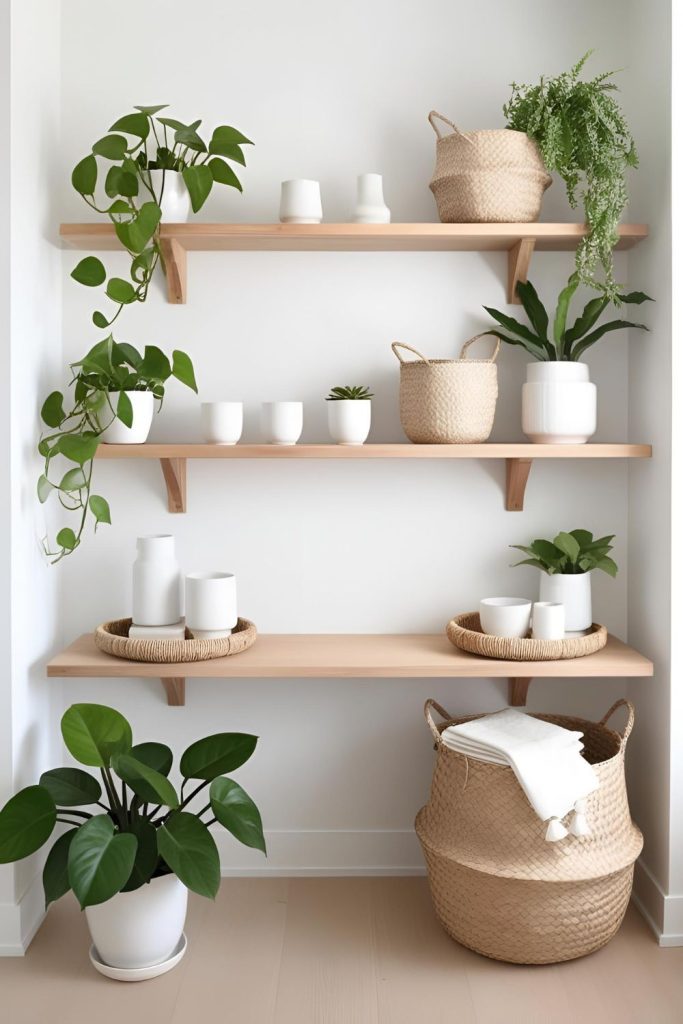
Types of Minimalist Shelving Displays
- Floating Shelves
Floating shelves are wall-mounted without visible brackets, giving the illusion that they “float” on the wall. Their sleek, invisible support system aligns perfectly with minimalist principles. They are versatile, ideal for displaying books, small plants, or curated decorative objects. - Modular Shelving Systems
Modular shelves allow for reconfiguration and customization. They typically consist of standardized units that can be stacked or rearranged. This flexibility is essential for minimalist design, as it enables the owner to adapt the shelving to changing needs without compromising aesthetics. - Open Frame Shelves
Open frame shelving units often consist of thin metal or wooden structures with no back panels. They provide storage while maintaining a sense of openness and transparency. They work well in living rooms, offices, or bedrooms where light and space are priorities. - Built-in Shelves
Minimalist built-in shelves integrate seamlessly into walls, reducing visual clutter and creating a unified look. They are often custom-designed for specific rooms and offer hidden storage options as well, combining practicality with elegance.
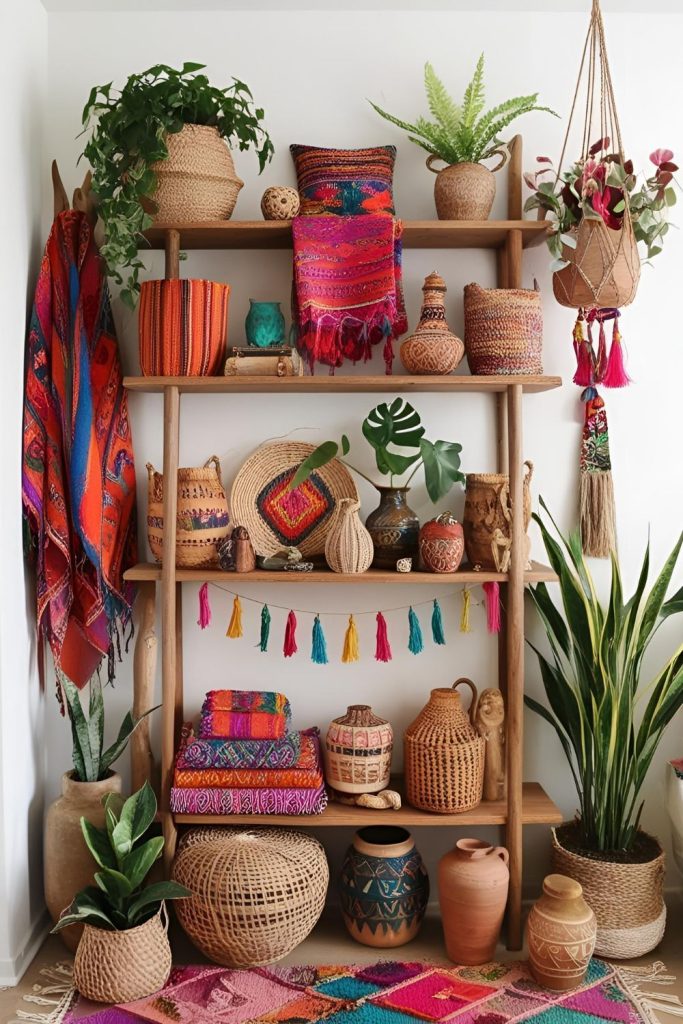
Uses and Applications
Minimalist shelving displays are versatile and can enhance various settings:
- Living Room
In living spaces, minimalist shelving is used to showcase books, sculptures, framed photographs, and small indoor plants. Floating shelves behind a sofa or around a TV create focal points without overwhelming the room. - Kitchen
Open kitchen shelving provides easy access to everyday items while maintaining a tidy, minimalist appearance. Using uniform containers, matching dinnerware, and selective decorative pieces ensures functionality and style coexist. - Office and Workspace
Minimalist shelves in offices reduce clutter, creating a serene environment conducive to productivity. A few essential books, a lamp, or a small plant on a minimalist shelf can improve both function and aesthetics. - Bedroom
Bedrooms benefit from minimalist shelves that act as nightstands or storage for personal items. They maintain an uncluttered ambiance, promoting relaxation and calmness. - Retail and Exhibition Spaces
In commercial settings, minimalist shelving displays products in a way that draws attention to them rather than the shelving. The simplicity of design allows the products themselves to become the focus, enhancing customer experience.
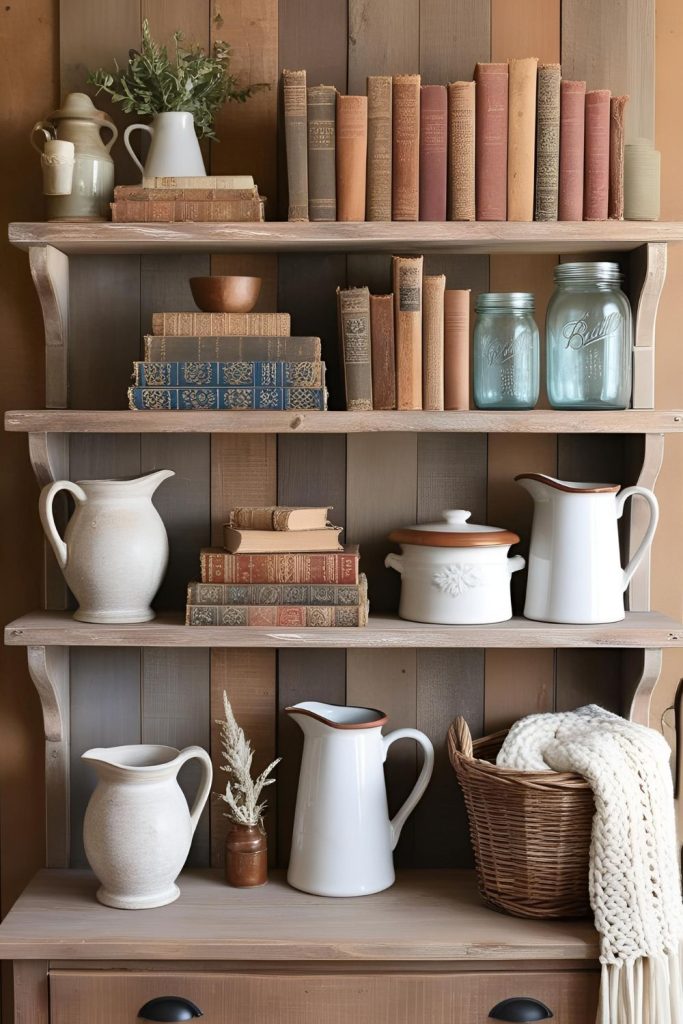
Benefits of Minimalist Shelving Displays
- Enhanced Visual Appeal
The clean and uncluttered design immediately improves the aesthetic quality of any room. Minimalist shelves create a sense of order and sophistication that can elevate both modern and traditional interiors. - Efficient Use of Space
By focusing on essentials, minimalist shelving optimizes available space. Floating shelves, corner units, and vertical arrangements allow storage without compromising floor space. - Flexibility and Adaptability
Many minimalist shelving designs are modular or adjustable, allowing the user to change layouts or accommodate new items easily. This adaptability is crucial in dynamic living or working spaces. - Reduced Clutter
Minimalist principles discourage hoarding and excessive decoration, promoting an organized, intentional approach to storage. This reduction in clutter has psychological benefits, contributing to a calmer and more focused environment. - Durability and Sustainability
Focusing on high-quality materials ensures that minimalist shelves last longer, reducing the need for frequent replacement. Many designs also use sustainable materials, aligning with eco-conscious lifestyles.
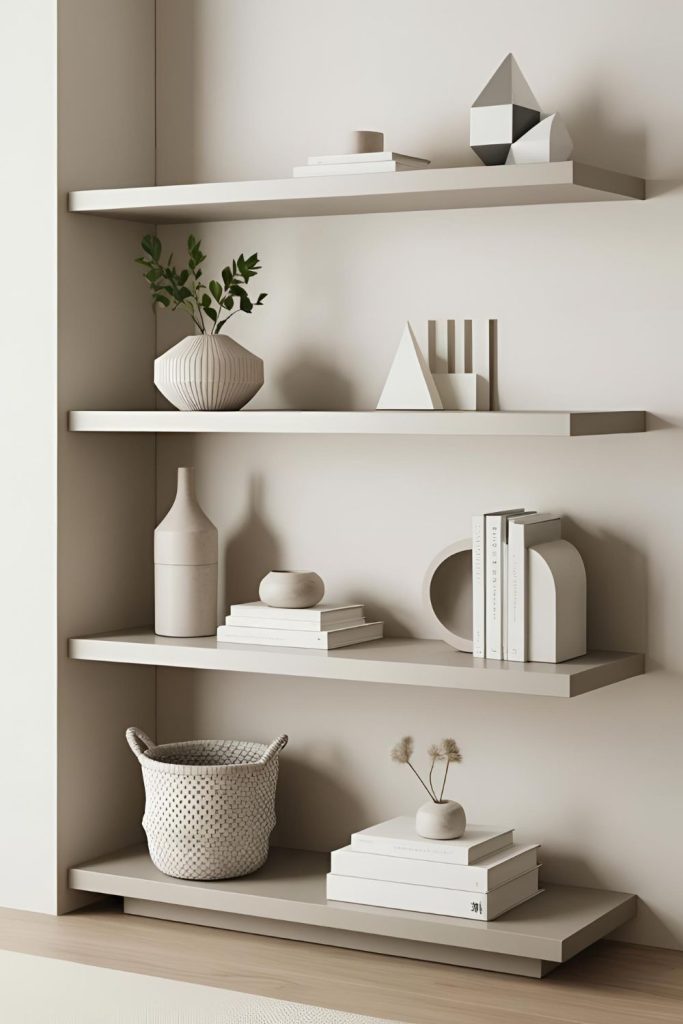
Styling Tips for Minimalist Shelving
- Limit Decorative Items
Keep items to a minimum. A few curated objects create impact without clutter. Focus on quality rather than quantity. - Use Symmetry and Balance
Symmetrical arrangements are visually pleasing. Place similar objects at even intervals and maintain balance across the shelf. - Incorporate Natural Elements
Small plants, wooden accents, or stones add texture and warmth without breaking minimalist principles. - Layer Textures and Shapes
Combine materials like wood, metal, and glass to create subtle visual interest. Mixing tall and short objects adds depth while keeping the display simple. - Maintain Color Harmony
Stick to a cohesive color palette. This ensures the shelves blend seamlessly with the room’s overall aesthetic.
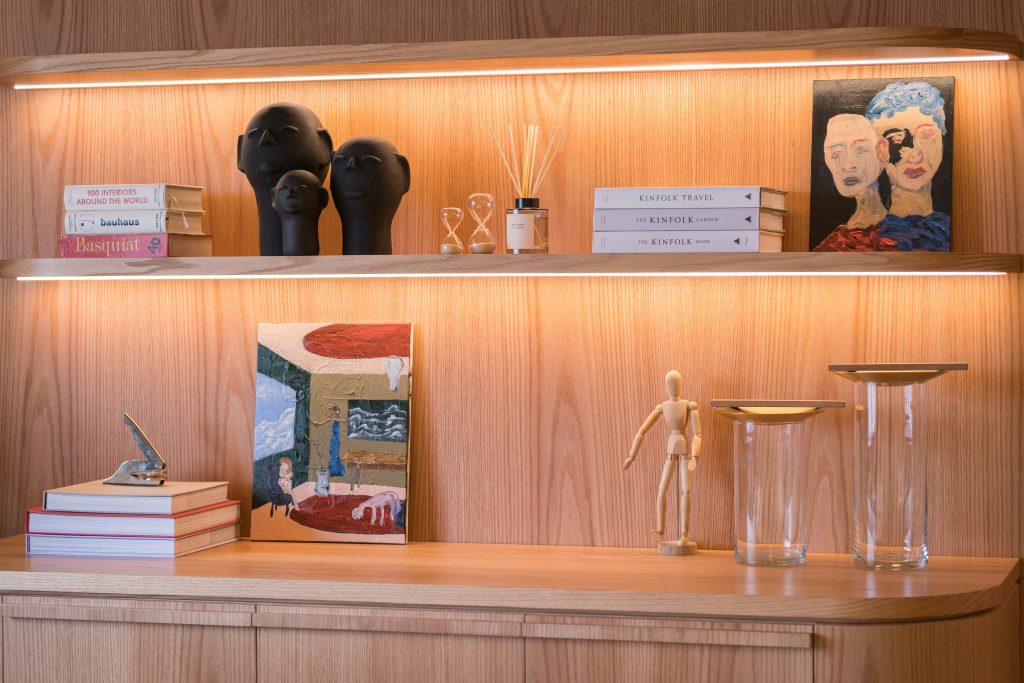
Common Mistakes to Avoid
- Overloading Shelves
Filling every inch of space defeats the purpose of minimalism. Negative space is essential to the aesthetic. - Ignoring Proportions
Shelves must be proportionate to the wall and the items they hold. Too small or too large units can look awkward. - Using Distracting Colors
Bright or clashing colors can disrupt the minimalist look. Keep accent colors subtle and intentional. - Neglecting Functionality
Minimalism doesn’t mean impracticality. Ensure that shelves are accessible, safe, and able to support items adequately.
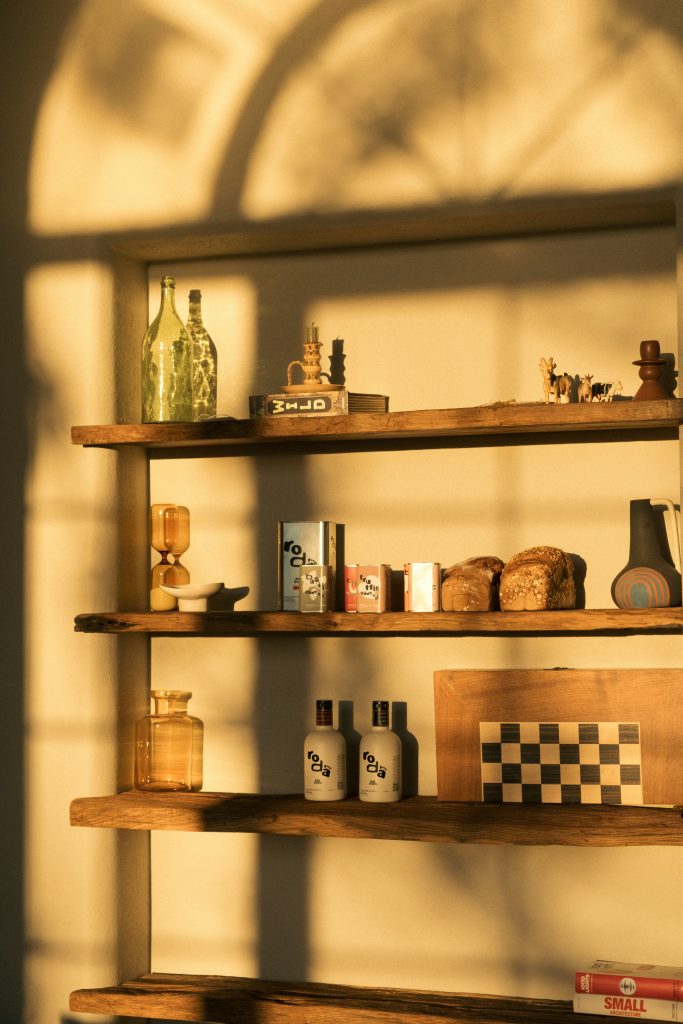
Conclusion
Minimalist shelving displays are more than just storage solutions—they are a lifestyle choice that reflects clarity, intentionality, and elegance. Through the careful selection of materials, colors, and objects, minimalist shelves transform spaces into organized, aesthetically pleasing environments. They balance form and function, offering versatility for homes, offices, and retail spaces alike. By embracing the principles of minimalism, anyone can create shelving displays that are both practical and visually inspiring, turning simple surfaces into artful focal points that enhance daily life.
