
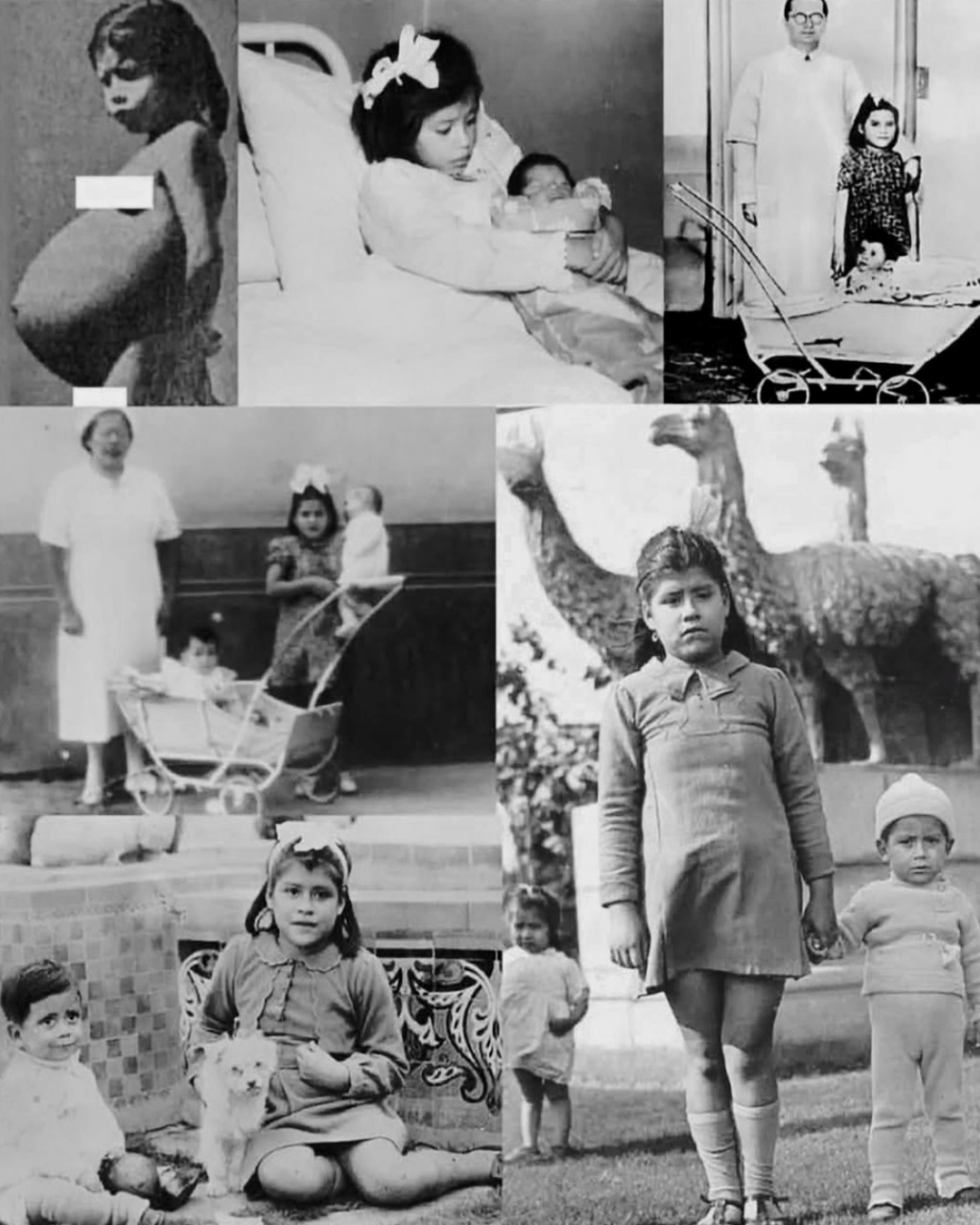
In 1939, the world was left in disbelief when Lina Marcela Medina de Jurado, a young girl from Peru, became the youngest confirmed mother in medical history at just five years old. Her story would forever change the way we understand human development, a chilling reminder of the complexity and unpredictability of nature.
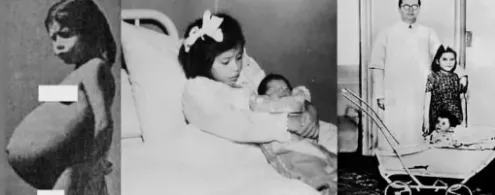
Lina’s parents, initially concerned about unusual abdominal swelling, sought medical help, fearing a tumor. But the doctors were stunned when they discovered something far more shocking—Lina was seven months pregnant. A rare and extraordinary condition called precocious puberty had caused her body to mature far earlier than expected. This condition, though incredibly rare, led to Lina’s body undergoing the changes of adulthood well before it was biologically appropriate.
In May 1939, Lina gave birth to a healthy baby boy via caesarean section, setting a medical milestone that has yet to be matched. The birth left the medical community grappling with questions about the boundaries of human biology, development, and the limits of what is possible for the human body. While the birth was a miracle in terms of survival and health, it was equally unsettling—raising ethical, moral, and psychological questions that continue to this day.
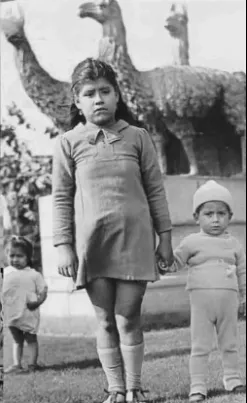
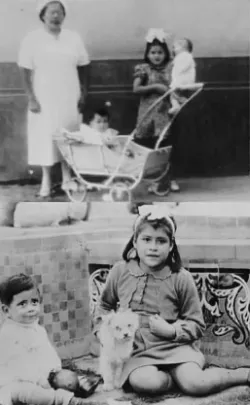
Despite the immense controversy surrounding her case, Lina’s story is a testament to the mysteries of human biology and the extreme realities some individuals must face. The birth marked not just a medical anomaly, but a lifetime of complexities for Lina, who grew up with the incredible weight of such an extraordinary—and often misunderstood—legacy.
Lina Medina’s case remains one of the most extraordinary and unsettling examples of human development, a reminder that nature sometimes defies explanation in the most shocking ways. Her story continues to spark conversation, debate, and reflection on the boundaries of human growth, childhood, and the human body.
She Couldn’t Blink. She Couldn’t Smile. But She Delivered Twins With Unshakable Strength. 6813
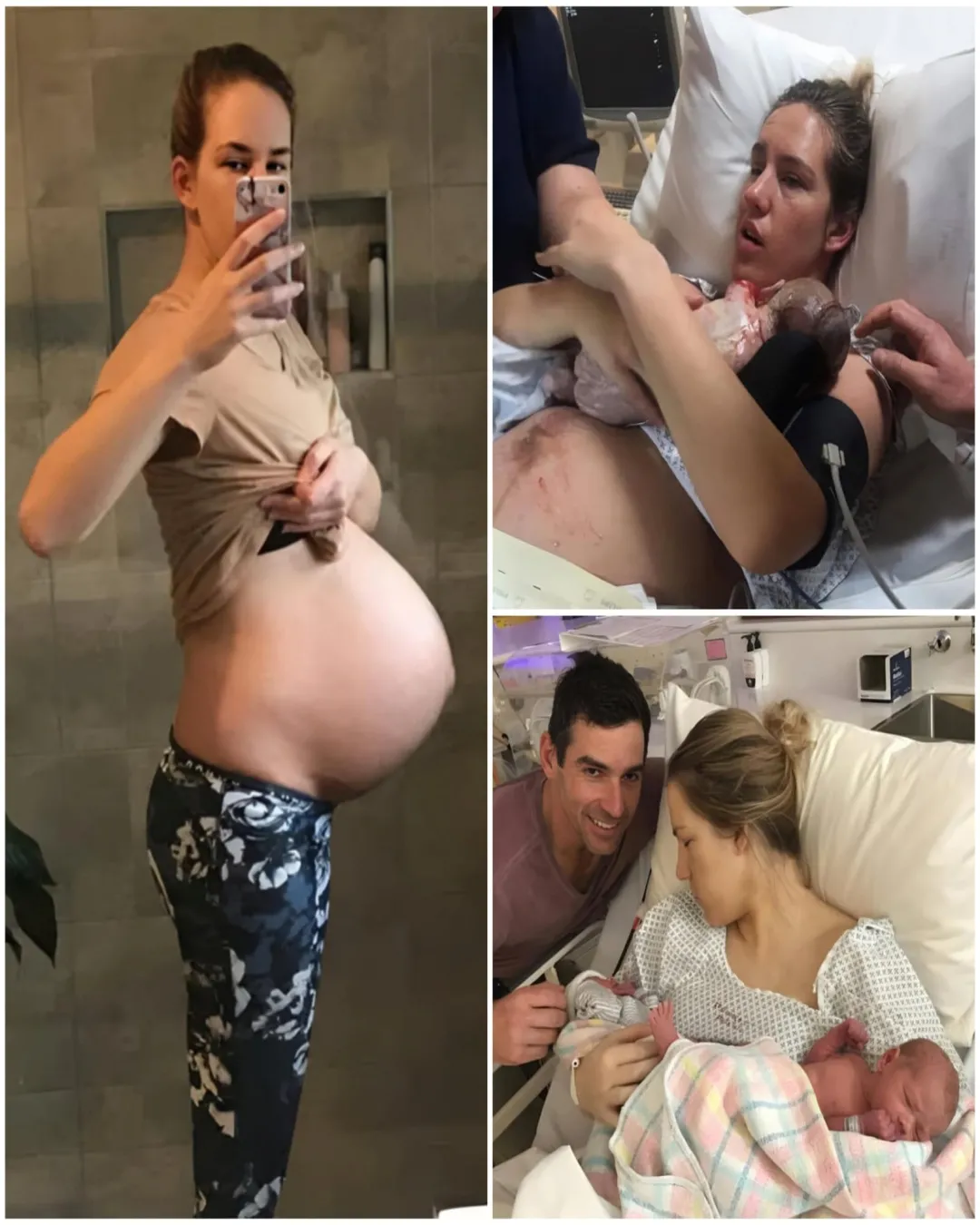
Two days before she was due to give birth to twin girls, Kirby Logie woke up and knew something was wrong.
It wasn’t labor pains.
It wasn’t the usual late-pregnancy discomfort.
It was her face.
The entire left side felt numb.
When she looked in the mirror, her reflection didn’t move the way it should. One side drooped. Her mouth wouldn’t lift. Her eye wouldn’t blink. Her eyebrow refused to rise.
“I woke up and the whole left side of my face was frozen,” she later