
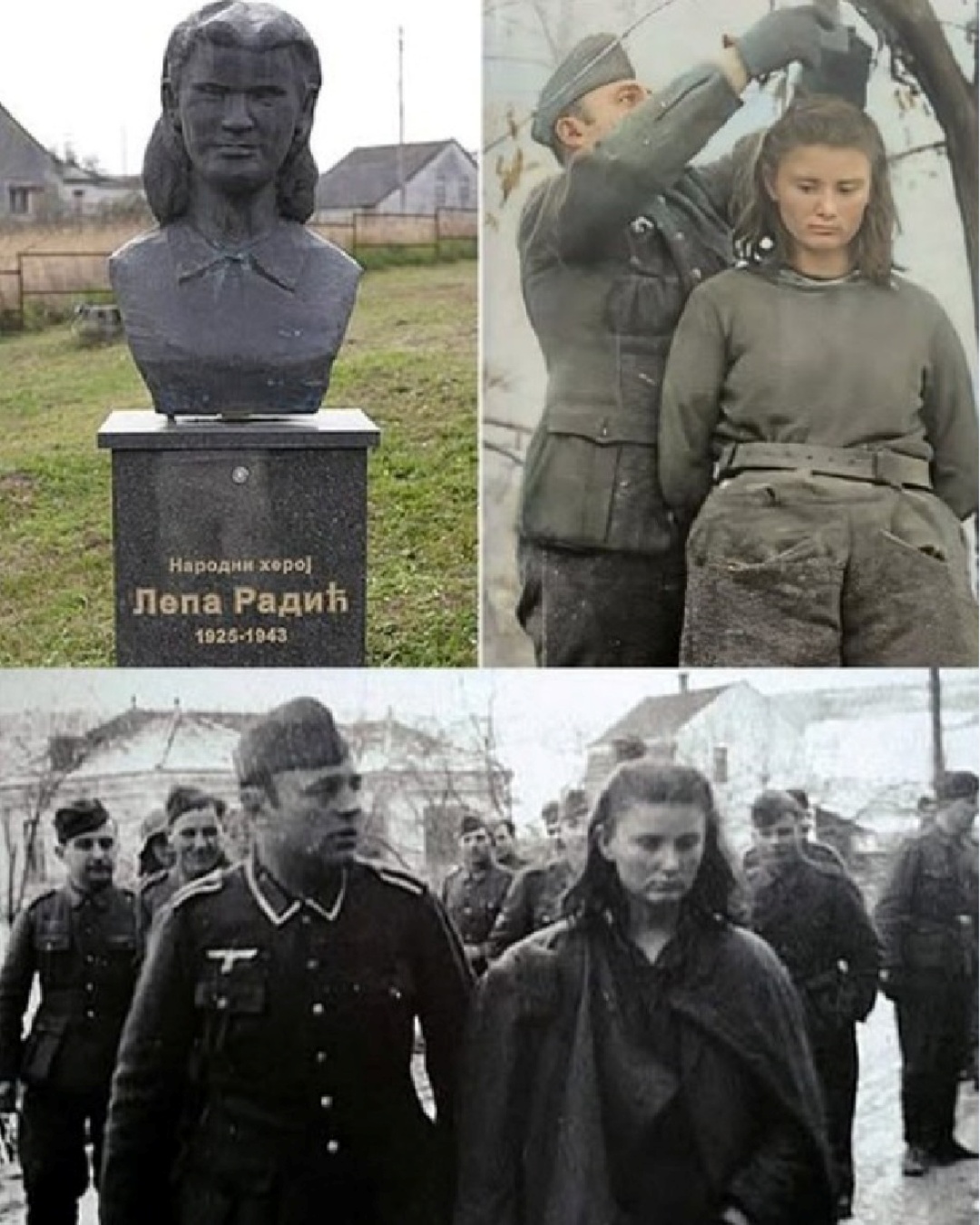
In the harsh winter of 1943, deep within Nazi-occupied Bosnia, a young girl stood on the precipice of death. Beneath a German gallows, her body was broken from beatings, her legs shaking in the bitter cold. But her spirit? It was unshaken, towering even in the face of her captors.
Her name was Lepa Svetozara Radić, and at just seventeen, she had become a symbol of resistance—one that posed a terrifying threat to the Nazi regime. Lepa had been captured while helping civilians escape the brutality of a German assault. Dragged into interrogation rooms, beaten mercilessly, and offered a chilling choice: reveal the names of the resistance fighters in exchange for her life. It was a deal many would have accepted, but Lepa? She stood tall, unwavering, even as the rope grazed her neck.

Her response was one of defiance, of strength beyond her years. “You may take my life, but others will continue the fight.” In that moment, she did not speak as a frightened teenager. She spoke as a warrior, the prophecy of her spirit unbroken. Moments later, the platform dropped beneath her, and her body fell, but her words, her courage, and her legacy soared far beyond the gallows.
Before that fateful day, Lepa had already lived a lifetime of resistance. She smuggled weapons beneath her coat, carried vital intelligence through forests crawling with Nazi patrols, and hid wounded fighters in barns. She guided terrified families to safety, her every action a risk—yet she continued, undeterred. Every step she took was a quiet but powerful declaration of freedom, her every breath a testament to the unyielding spirit of resistance.
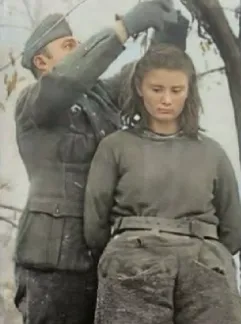
Even under brutal torture, Lepa never gave up a single name. Her comrades remained protected, and her loyalty to their cause remained unbroken. Not one name was given. Not one.
After the war, Lepa was honored as a hero of the Yugoslav resistance, receiving the nation’s highest award for heroism. She was placed among the greatest of its freedom fighters. Today, her name lives on, carried by schools, statues, memorials, and streets that honor her indomitable courage. Her story serves as a living reminder of the power of resistance, and that even in the darkest times, the light of unshakable courage can lead the way.

Lepa’s legacy is a powerful testament to the fact that sometimes, the fiercest soldier is not one who wields a rifle, but one who stands tall in the face of evil. A seventeen-year-old girl, with nothing but courage, defied an empire. And in doing so, she changed the world with her final breath.
He Built Trust Online — Then Police Say He Hid Behind Another Face 6767
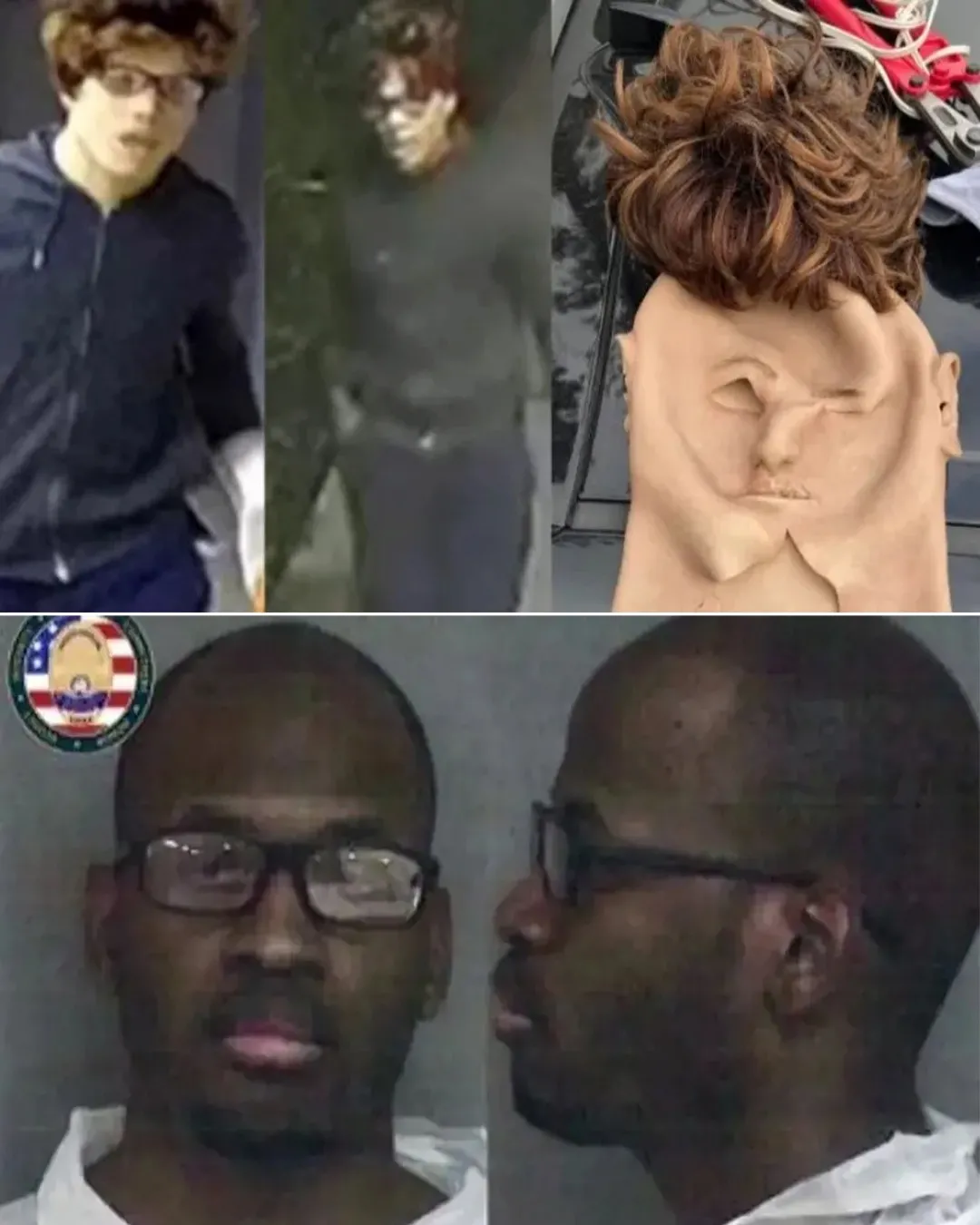
A criminal case unfolding in California has drawn national attention, not only because of the severity of the charges but because of the unsettling way investigators say trust was allegedly weaponized. Authorities have charged 34-year-old Rockim Prowell in connection with a series of violent crimes involving men he allegedly met through dating apps, cases that prosecutors say began with ordinary online conversations and ended in devastating consequences.
According to court documents, investigators believe the suspect arranged meetings after first building familiarity and rapport online, presenting himself as someone approachable, engaging, and safe. Prosecutors allege that once in person, those meetings escalated into robberies — and in at least two instances, into deadly violence. Additional incidents remain under review as law enforcement continues examining digital evidence, surveillance footage, and communications tied to the case.
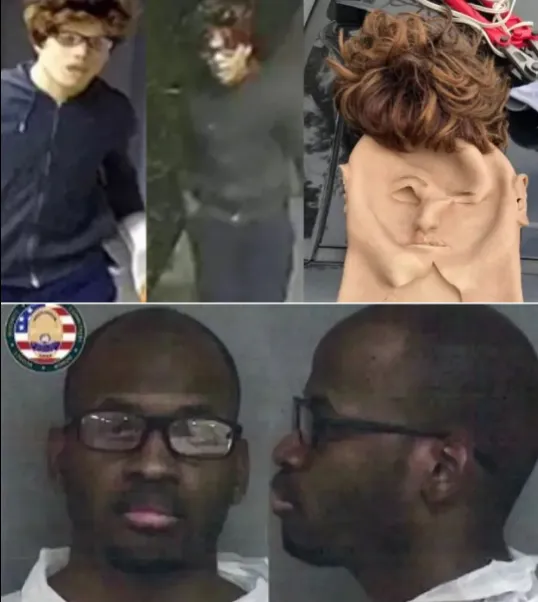
Officials have stressed that these are allegations, and the defendant is presumed innocent unless and until proven guilty in court. But the details emerging from the investigation have sparked widespread concern, particularly surrounding one claim that investigators describe as deeply disturbing: the alleged use of disguise.
May you like
Police say the suspect previously wore what they describe as a realistic silicone mask and wig, dramatically altering his facial features and overall appearance. Authorities believe the disguise may have been used to avoid identification by witnesses or security cameras, complicating early efforts to track him. Images released during the investigation reportedly showed strikingly different looks, leading to confusion as detectives worked to piece together a timeline.
For many observers, that element has become one of the most chilling aspects of the case. The idea that someone could allegedly change their face — blending into different identities — has amplified concerns about how technology, anonymity, and deception can intersect in modern crimes.

Prosecutors allege that the suspect used dating apps to initiate contact, engaging in conversations designed to build comfort before arranging in-person meetings. Law enforcement officials say digital communication records played a key role in identifying patterns that linked multiple incidents. Investigators continue to analyze data from phones, apps, and financial records to determine whether additional victims may exist.
The case remains active, with legal proceedings ongoing in California courts. Authorities have urged anyone with information to come forward, emphasizing that the investigation is still developing.
Beyond the courtroom, the allegations have reignited broader conversations about online safety and the risks associated with meeting strangers through apps. Dating platforms have transformed how people connect, offering opportunities for relationships, companionship, and community. But experts frequently caution users to verify identities, meet in public places, inform trusted contacts of plans, and remain alert to inconsistencies.

Safety advocates note that while most interactions online are genuine, anonymity can sometimes be exploited by individuals with harmful intent. Law enforcement officials across the country have repeatedly encouraged users to exercise caution, especially when meeting someone for the first time.
In this case, prosecutors argue that trust was central to the alleged crimes — trust built through messages, shared details, and carefully constructed personas. If proven in court, investigators say the case would represent a stark example of how easily digital familiarity can translate into real-world vulnerability.
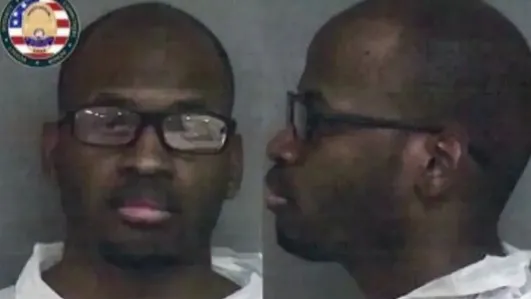
For now, the legal process continues. The accused maintains the presumption of innocence, and the facts will ultimately be tested in court. But the allegations alone have left many reflecting on the balance between openness and caution in an increasingly digital world.