
Rugs are no longer just functional pieces—they are key elements in interior design, capable of defining spaces, adding texture, and expressing personal style. As we approach 2026, rug design is evolving with new trends, materials, and techniques that reflect sustainability, innovation, and aesthetic sophistication. Designing a rug today is about blending creativity, functionality, and forward-thinking design principles to create pieces that are both beautiful and practical.
Understanding Modern Rug Trends
The first step in designing a rug is to understand the current trends shaping interior spaces. In 2026, rug design emphasizes:
- Sustainability: Eco-friendly materials like organic cotton, recycled fibers, bamboo, and natural dyes are increasingly popular. Consumers are more conscious of environmental impact, making sustainable rugs a priority.
- Texture and Dimension: Rugs with layered textures, raised patterns, or mixed materials create a tactile experience that adds depth to any room.
- Bold Patterns and Abstract Designs: Geometric shapes, abstract art-inspired patterns, and asymmetric designs are in vogue, making rugs statement pieces rather than just floor coverings.
- Color Exploration: Rich jewel tones, gradient effects, and muted earthy palettes are trending, allowing rugs to complement both modern minimalism and eclectic interiors.
Choosing the Right Materials
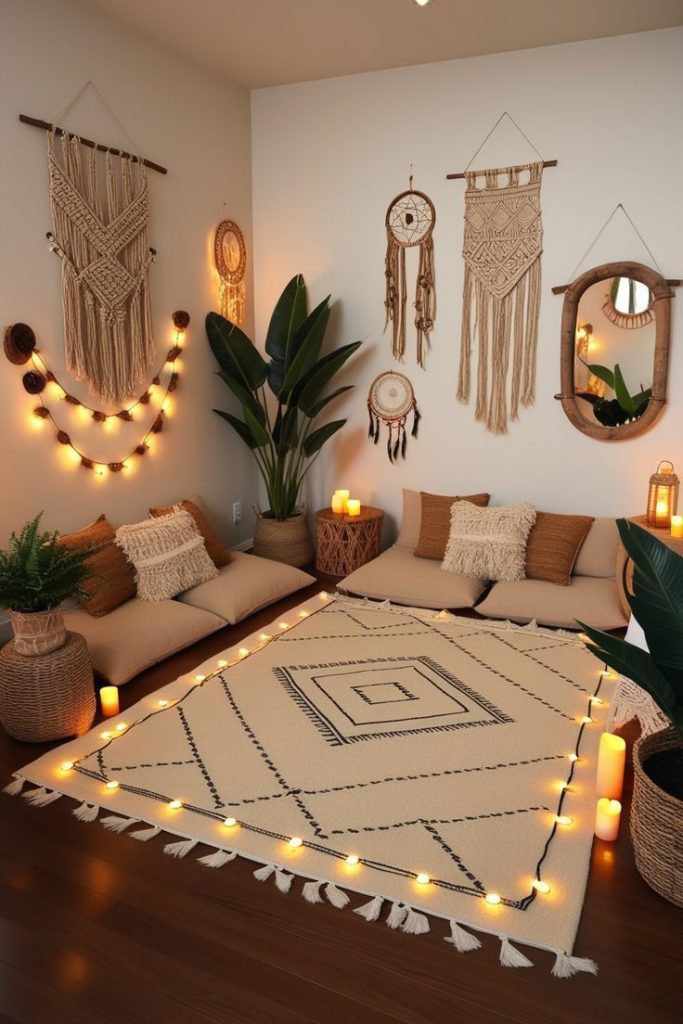
Material choice affects durability, feel, and visual appeal. Wool remains a classic for its softness and longevity, while synthetic fibers offer stain resistance and affordability. Natural fibers like jute, sisal, or hemp create organic, textured looks ideal for eco-conscious interiors. Blending materials can also achieve unique effects—like a wool base with metallic thread accents for subtle shimmer.
Customizing Size and Shape
2026 rug designs break away from traditional rectangular shapes. Round, oval, hexagonal, or freeform rugs create dynamic focal points and can define irregular spaces. Custom sizing ensures a perfect fit for living rooms, bedrooms, or entryways, enhancing the room’s proportions and flow.
Incorporating Technology
Technology is influencing rug design in several ways. Digital printing allows for intricate, precise patterns that were once impossible to achieve by hand. Smart rugs with embedded sensors or anti-slip features are becoming more common, blending innovation with style. Designers can now experiment with color gradients, photographic designs, and 3D textures digitally before production.
Balancing Functionality and Aesthetics
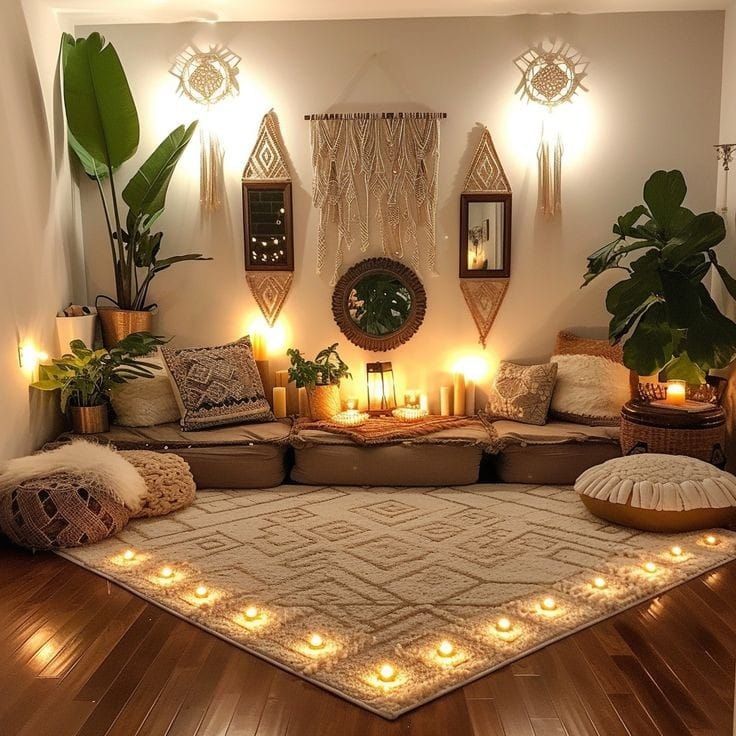
While aesthetics are crucial, functionality cannot be overlooked. Consider wear and tear, especially in high-traffic areas, and ensure the rug is easy to clean and maintain. Anti-slip backing, fade-resistant dyes, and durable fibers enhance both beauty and longevity.
Personal Expression and Storytelling
Rugs are powerful tools for self-expression. Custom designs can reflect personal stories, cultural heritage, or artistic inspiration. Handcrafted details, hand-knotted textures, and bespoke patterns make rugs unique, elevating them from décor to art.
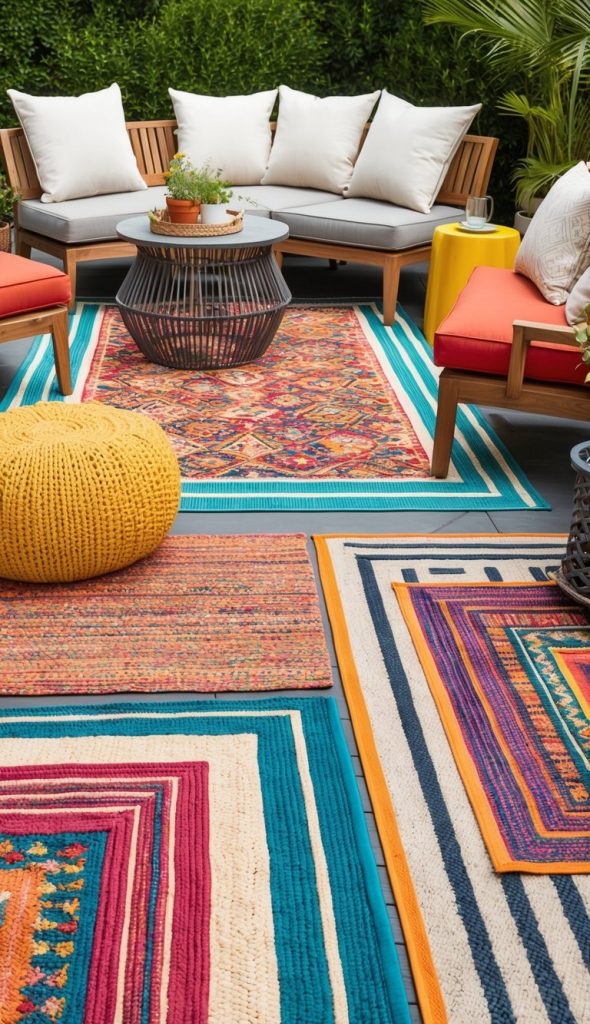
Designing a rug in 2026 is about more than following trends—it’s about creating a piece that balances sustainability, innovation, comfort, and aesthetic appeal. By combining modern materials, bold patterns, thoughtful shapes, and cutting-edge techniques, you can craft rugs that transform spaces, reflect personality, and stand the test of time.