What is erythrodermic psoriasis?
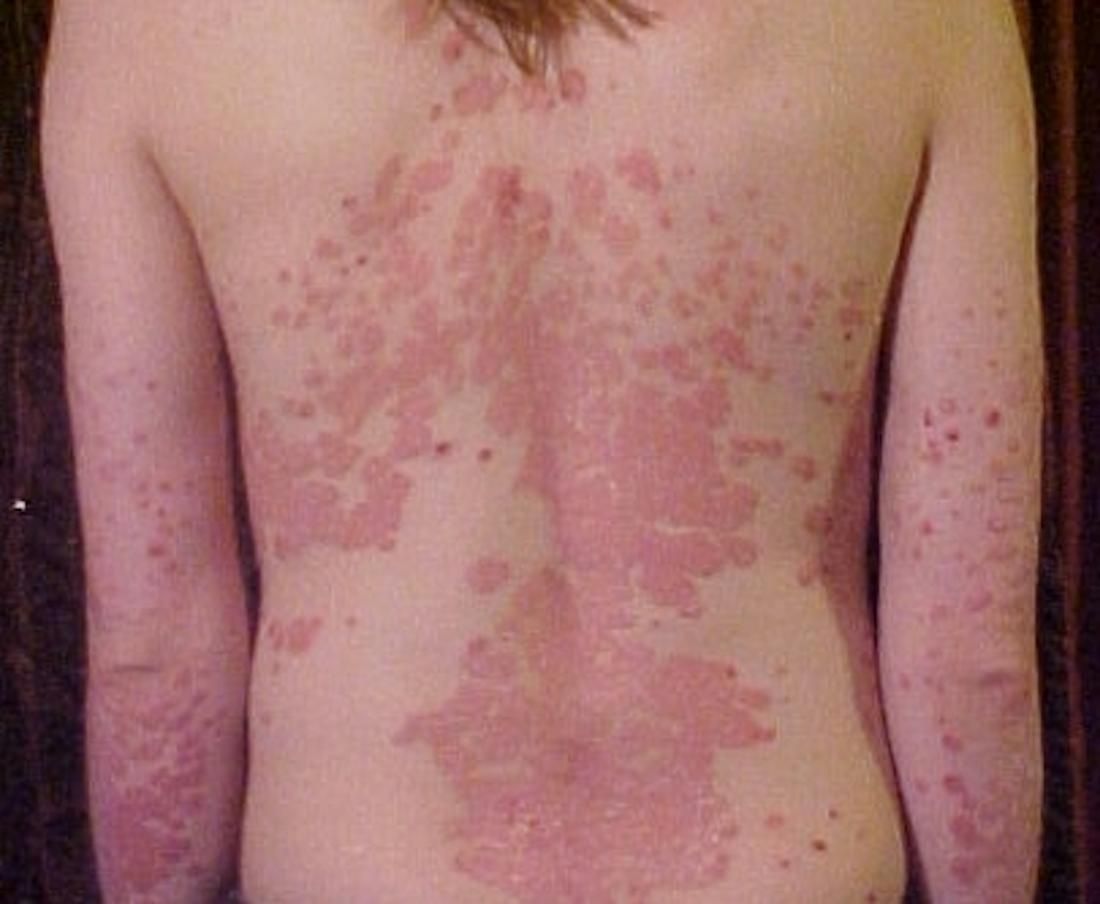
It’s a severe inflammatory condition where most of the skin becomes red, inflamed, and scaly. Unlike common plaque psoriasis, this type can involve over 75–90% of the body surface and can be life-threatening if not treated promptly.
Key symptoms
- Widespread redness covering most of the body
- Severe itching, burning, or pain
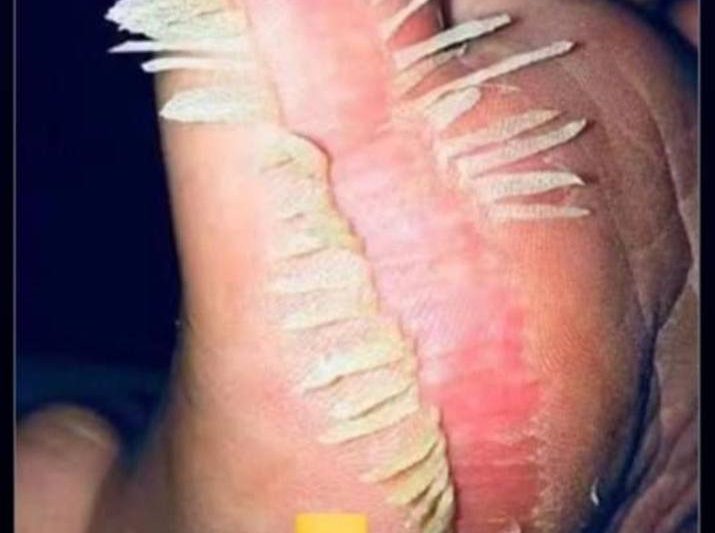
- Skin peeling or shedding in large sheets
- Swelling (edema), especially in the legs and feet
- Fever, chills, or feeling unwell
- Rapid heart rate
- Dehydration
- Nail changes (thickening, shedding)
- Hair loss in severe cases
⚠️ This condition requires urgent medical care.
Common triggers
Erythrodermic psoriasis often develops in people who already have psoriasis. Triggers include:
- Sudden withdrawal of systemic steroids
- Severe sunburn
- Infections
- Stress
- Alcohol misuse
- Certain medications (e.g., lithium, antimalarials)
- Poorly controlled plaque psoriasis
Why it’s dangerous
Because so much skin is affected, the body can lose:
- Heat → risk of hypothermia
- Fluids and proteins → dehydration and electrolyte imbalance
- Barrier protection → increased risk of serious infections
Complications may include:
- Heart failure
- Sepsis
- Kidney problems
- Malnutrition
Diagnosis
Doctors diagnose it based on:
- Clinical appearance
- Medical history of psoriasis
- Blood tests (to check infection, electrolytes, inflammation)
- Skin biopsy (sometimes)
Treatment
Treatment is usually hospital-based, especially at first.
Immediate care may include:
- IV fluids and temperature control
- Treatment of infections if present
- Pain and itch management
Medications commonly used:
- Biologics (e.g., anti-TNF, IL-17, IL-23 inhibitors)
- Cyclosporine
- Methotrexate
- Systemic retinoids (in some cases)
🚫 Systemic corticosteroids are generally avoided due to rebound risk.
Long-term management
- Careful medication tapering
- Regular dermatology follow-up
- Avoiding known triggers
- Ongoing systemic or biologic therapy
When to seek emergency care
Get immediate medical help if someone with psoriasis develops:
- Sudden widespread redness
- Fever or chills
- Rapid heartbeat
- Confusion
- Severe pain or swelling
Bottom line
Erythrodermic psoriasis is rare but serious. Early recognition and prompt treatment can be life-saving. If you or someone you know has psoriasis and develops sudden, extensive skin redness, do not wait—seek emergency care.