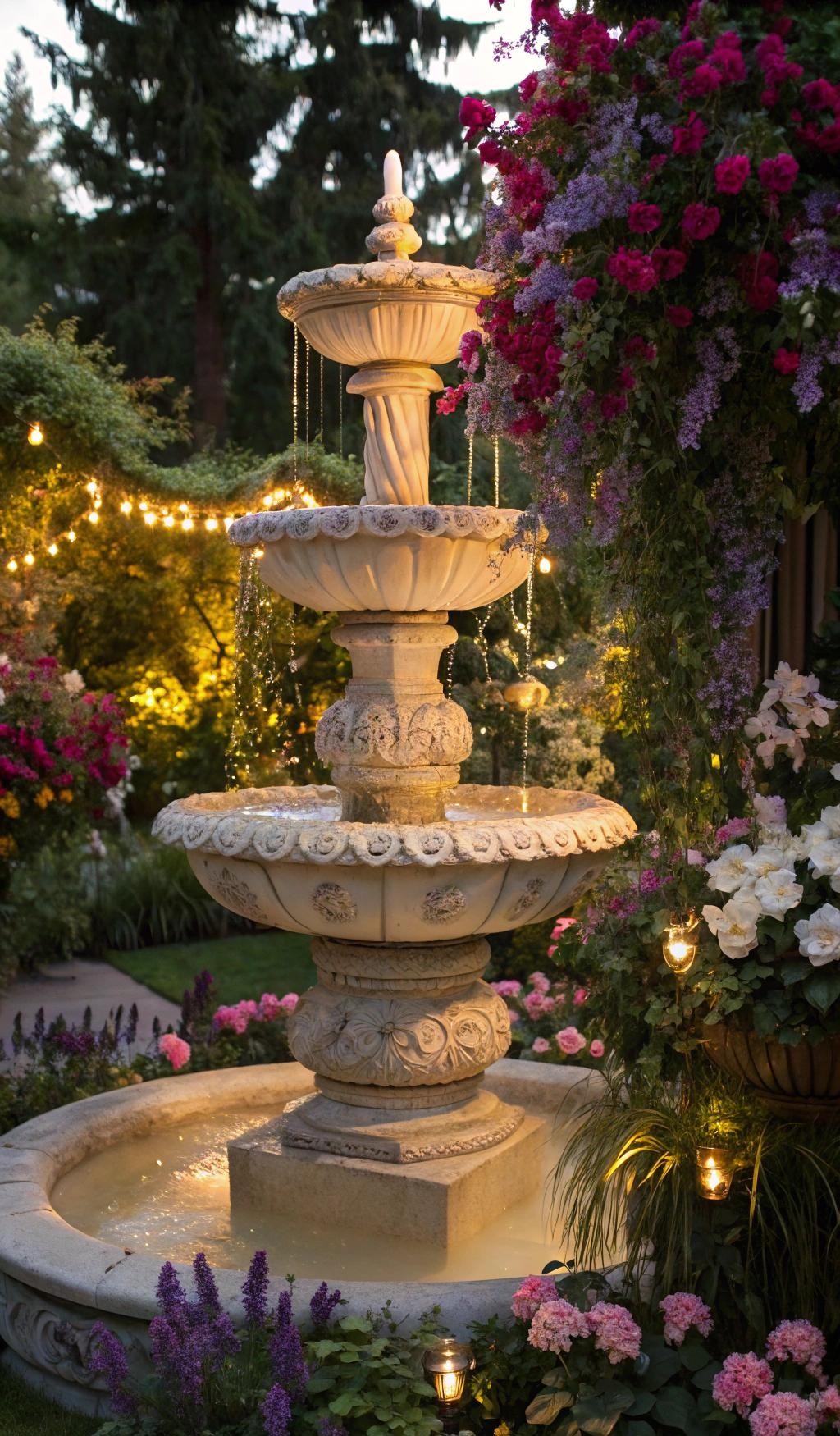
Fountains have been admired for centuries as symbols of beauty, calm, and elegance. From ancient civilizations to modern homes, fountains have played an important role in architecture, garden design, and public spaces. Whether placed in a garden, courtyard, park, or interior space, a fountain adds movement, sound, and visual interest that transforms the surrounding environment. More than just decorative elements, fountains offer emotional, aesthetic, and environmental benefits.
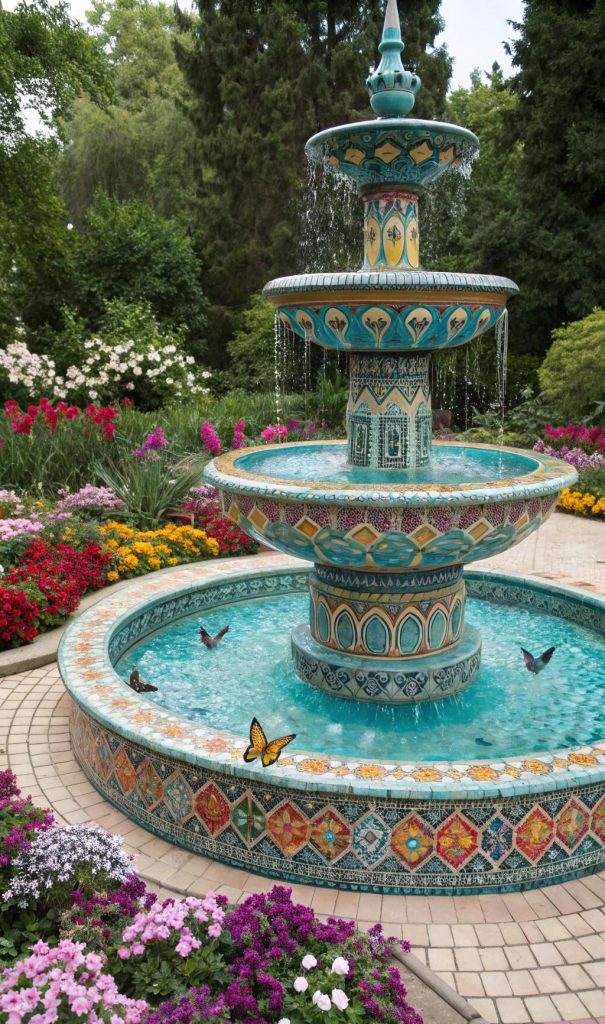
One of the most attractive features of a fountain is the soothing sound of flowing water. The gentle movement of water creates a calming atmosphere that helps reduce stress and anxiety. Many people find that the sound of water promotes relaxation, focus, and peace of mind. This is why fountains are often used in gardens, spas, hotels, and meditation areas. In busy or noisy environments, a fountain can help mask unwanted sounds such as traffic or neighbors, creating a more tranquil space.
Fountains also enhance the visual appeal of any area. They come in many styles, sizes, and materials, allowing them to fit different tastes and design themes. Traditional fountains often feature stone, marble, or classical sculptures, while modern fountains may use metal, glass, or minimalist shapes. From grand centerpieces in large gardens to small tabletop fountains for indoor use, there is a fountain design suitable for every space. The movement of water reflects light beautifully, adding life and elegance to otherwise static surroundings.
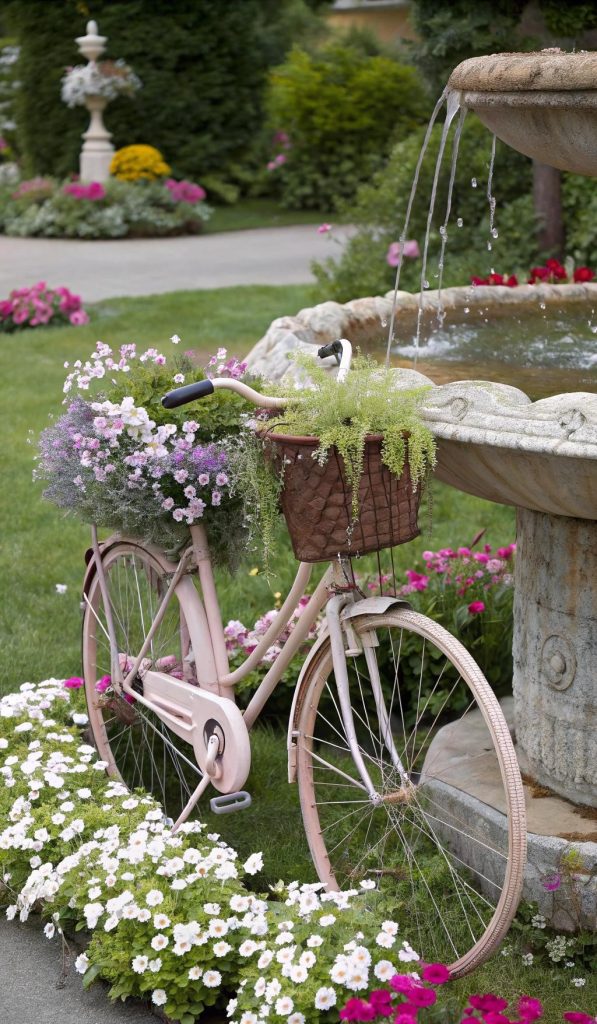
In outdoor spaces, fountains play an important role in garden design. A fountain can act as a focal point, drawing attention and bringing balance to the landscape. It works well with plants, flowers, and natural elements, creating harmony between water and greenery. Birds and butterflies are also attracted to fountains, bringing more life and activity into the garden. This connection with nature makes fountains especially valuable in homes where people seek a peaceful retreat from daily life.
Indoor fountains are becoming increasingly popular as well. They are often placed in living rooms, offices, entrances, or relaxation areas. Indoor fountains help improve the atmosphere by adding humidity to dry air, which can be beneficial for breathing and skin health. They also create a sense of luxury and calm, making interiors feel more welcoming and comfortable. In workspaces, fountains can improve concentration and reduce stress, contributing to a more positive environment.
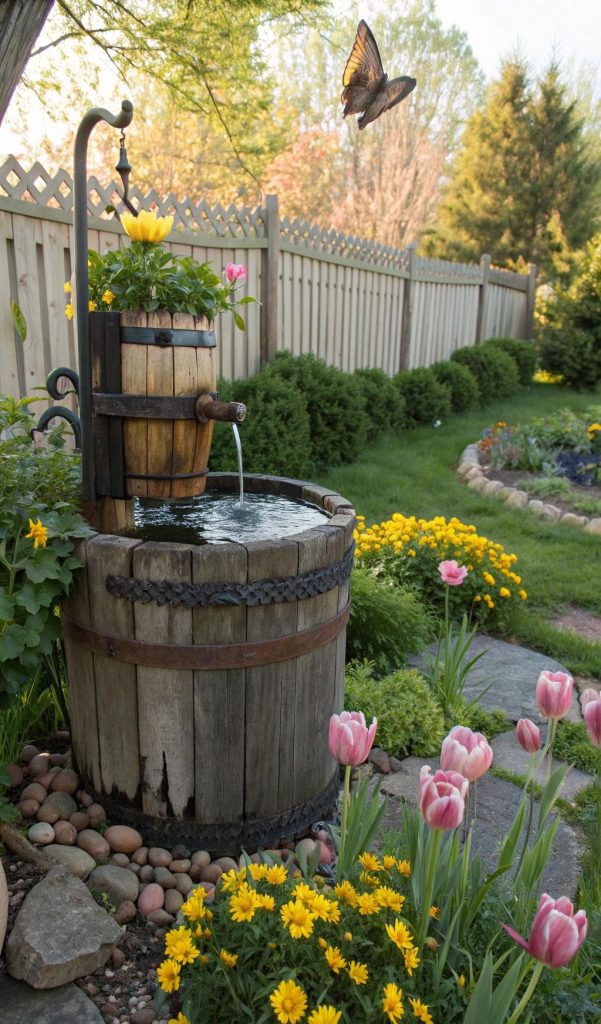
Culturally and symbolically, fountains hold deep meaning in many societies. In ancient times, fountains represented life, purity, and abundance because water was essential for survival. In Islamic and Moroccan architecture, fountains are commonly found in courtyards and gardens, symbolizing peace, cleanliness, and spiritual reflection. The presence of water is often associated with paradise, balance, and harmony. These cultural meanings continue to influence modern design, especially in traditional homes and public spaces.
Fountains can also have environmental benefits when designed and maintained properly. They help cool the surrounding air, especially in hot climates, by increasing moisture and reducing heat. This natural cooling effect makes outdoor areas more comfortable during warm seasons. Additionally, water features can support small ecosystems by attracting birds and insects, contributing to local biodiversity.
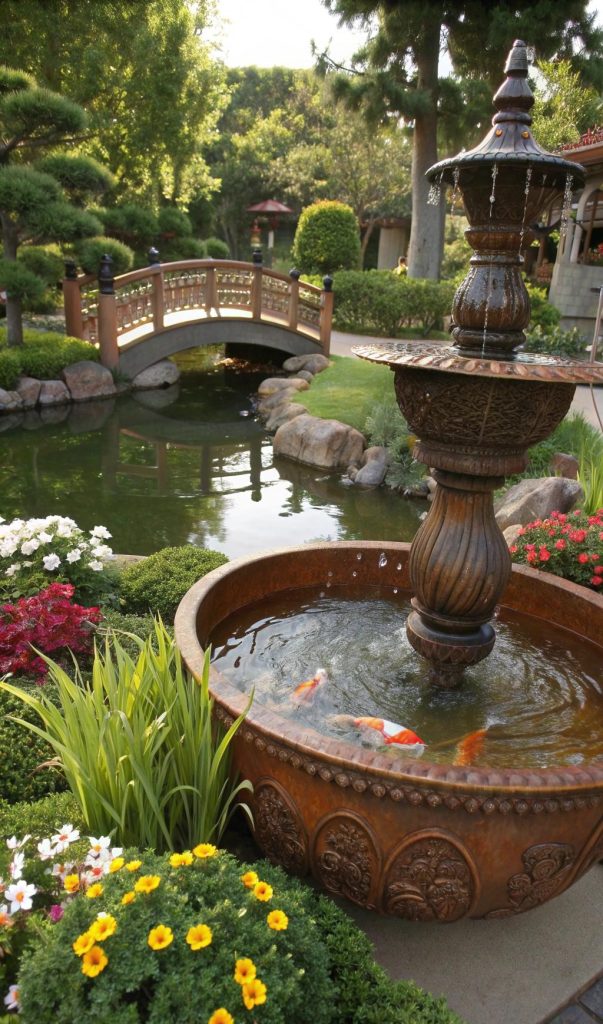
However, maintaining a fountain requires care and responsibility. Regular cleaning is important to prevent algae buildup, dirt, and stagnant water. Pumps and filters need to be checked to ensure proper water circulation. Using clean water and eco-friendly treatments helps keep the fountain safe for animals and plants. With proper maintenance, a fountain can remain beautiful and functional for many years.
Choosing the right fountain depends on space, style, and purpose. Large fountains are ideal for gardens, villas, and public areas, while smaller fountains suit balconies, patios, and indoor spaces. Materials such as stone and concrete offer durability, while resin and metal provide lighter and more affordable options. Lighting can also be added to enhance the fountain’s beauty at night, creating a magical and elegant atmosphere.
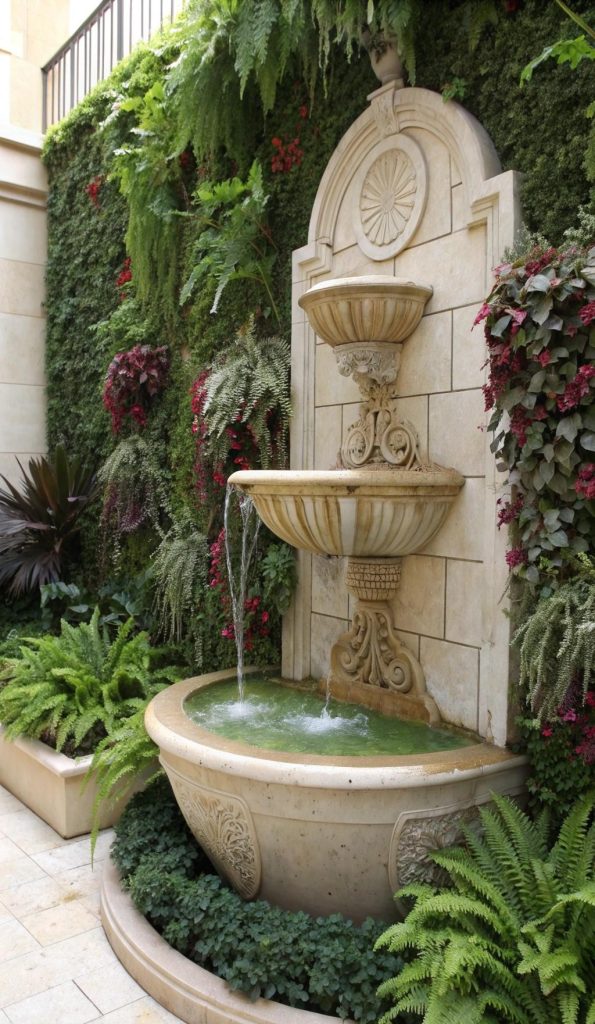
In conclusion, fountains are timeless elements that combine beauty, tranquility, and function. They enrich spaces through sound, movement, and visual elegance while promoting relaxation and emotional well-being. Whether indoors or outdoors, a fountain creates a peaceful connection with nature and adds character to any environment. With thoughtful design and proper care, fountains remain one of the most charming and meaningful features in home and landscape decor.