Adding color to your patio is one of the easiest ways to breathe life into your outdoor space—but striking the perfect balance can be tricky. Too much color can make the area feel chaotic, while too little can leave it looking flat or uninspired. The key is finding that sweet spot where color enhances the space rather than overtaking it. With thoughtful planning and a few smart styling tricks, you can create a patio that feels vibrant, welcoming, and beautifully cohesive.
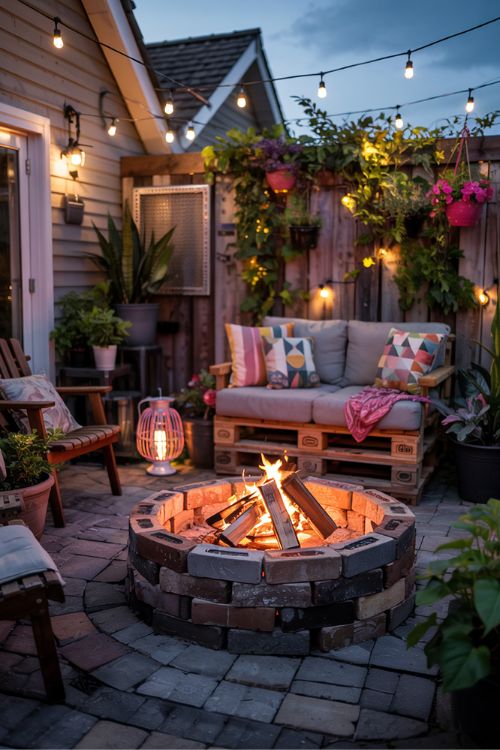
Start With a Neutral Base
Neutral tones—like beige, gray, white, or natural wood—set the stage for a balanced design. These colors act as an anchor, helping brighter accents shine without creating visual clutter. Think of your patio furniture, flooring, and major décor pieces as the “quiet canvas” that allows your chosen colors to pop in a controlled, deliberate way.
Use Color in Small, Strategic Doses
Instead of committing to large swaths of bold hues, introduce color through smaller, interchangeable elements. Outdoor pillows, throw blankets, side tables, lanterns, and decorative accessories are perfect for this. They offer just enough brightness to elevate your space without overwhelming it—and they’re easy to swap out if you change your mind or the seasons shift.
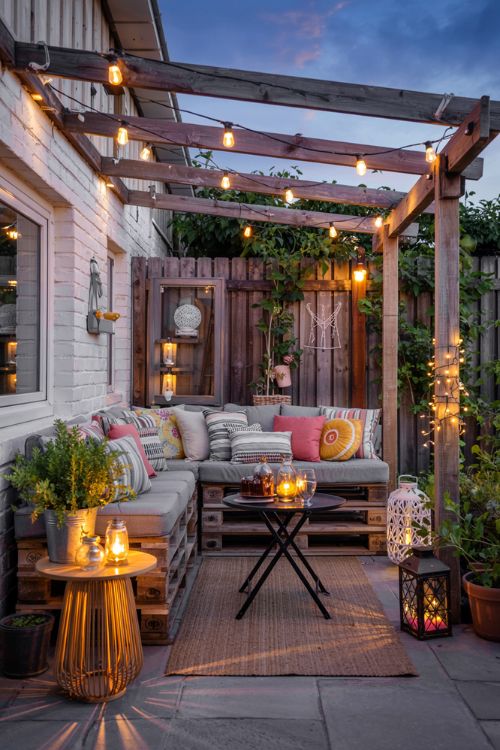
Let Plants Do the Talking
Nature has an effortless way of introducing color in the most harmonious tones. Bright blooms, lush leaves, and textured greenery add organic pops of color that never feel too loud. Opt for flowering plants like geraniums, petunias, or marigolds for vibrant accents, or choose foliage in deep purples and variegated patterns for subtler sophistication.
Choose a Simple Color Palette
Limiting yourself to two or three core colors helps your patio feel intentional rather than chaotic. For example, a palette of navy, white, and soft yellow creates a breezy coastal vibe. Terracotta paired with sage green introduces warmth and earthiness. Narrowing your choices keeps the design unified, even if you mix patterns or textures.
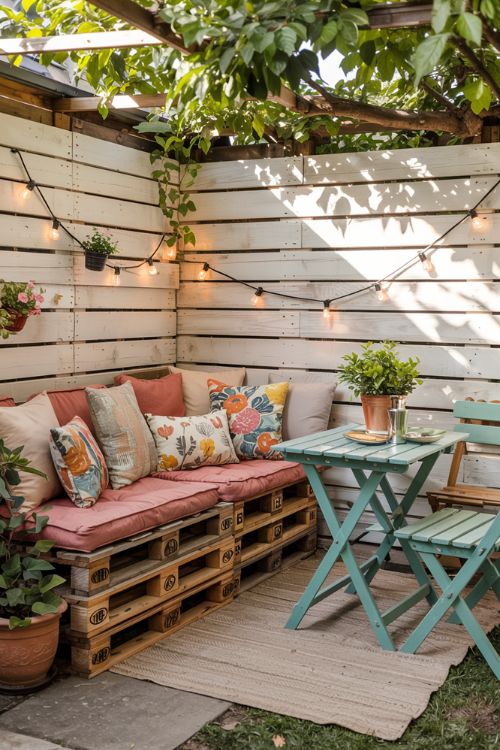
Play With Pattern in Moderation
Stripes, florals, and geometric prints are fantastic for adding personality, but too many competing patterns can overwhelm a small patio. Pick one statement pattern—perhaps on a rug or seat cushion—and let complementary solids support it. This gives your space energy while maintaining visual calm.
Use Natural Materials as Color Buffers
Materials like wicker, rattan, stone, and unfinished wood naturally soften bold hues. They add texture, warmth, and balance, preventing bright accents from feeling too intense. A colorful pillow on a woven chair or a bold planter atop a rustic side table instantly feels more grounded.
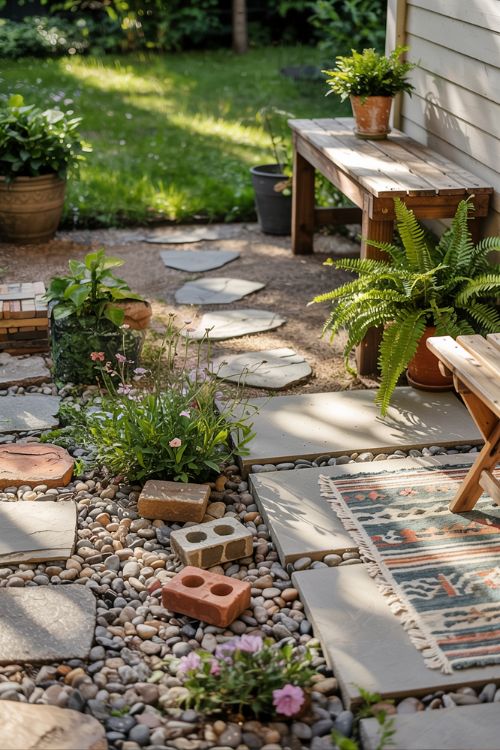
Incorporate Color Through Lighting
Soft, warm lighting can enhance your chosen palette without adding extra visual noise. Consider string lights, lanterns, or solar-powered stakes in warm tones that make your colors glow rather than clash. Colored glass lanterns or candles also add gentle pops of hue that look magical at night.
Let Your Personality Guide You
Ultimately, your patio should feel like your sanctuary. If you love rich jewel tones or bright tropical hues, embrace them—but use them thoughtfully. A few vibrant pieces can express your personality without overwhelming the space.
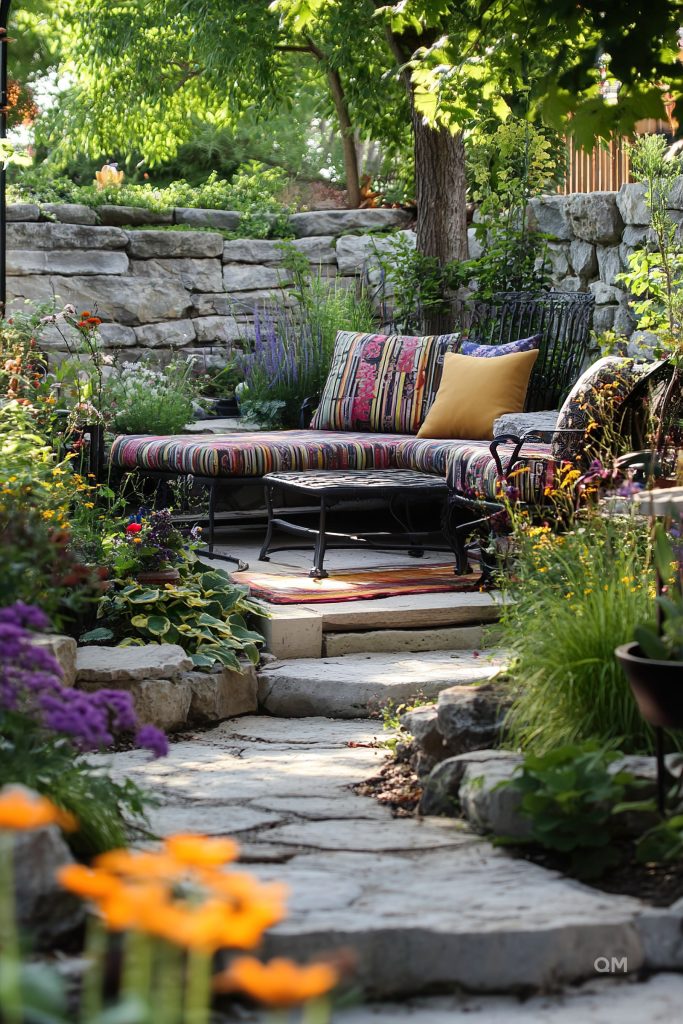
By combining color with intentional design choices, you can create a patio that feels balanced, stylish, and uniquely yours. With just a few thoughtful accents, your outdoor area can transform into a colorful retreat that’s lively yet serene—perfect for relaxing, entertaining, and enjoying the beauty of the outdoors.