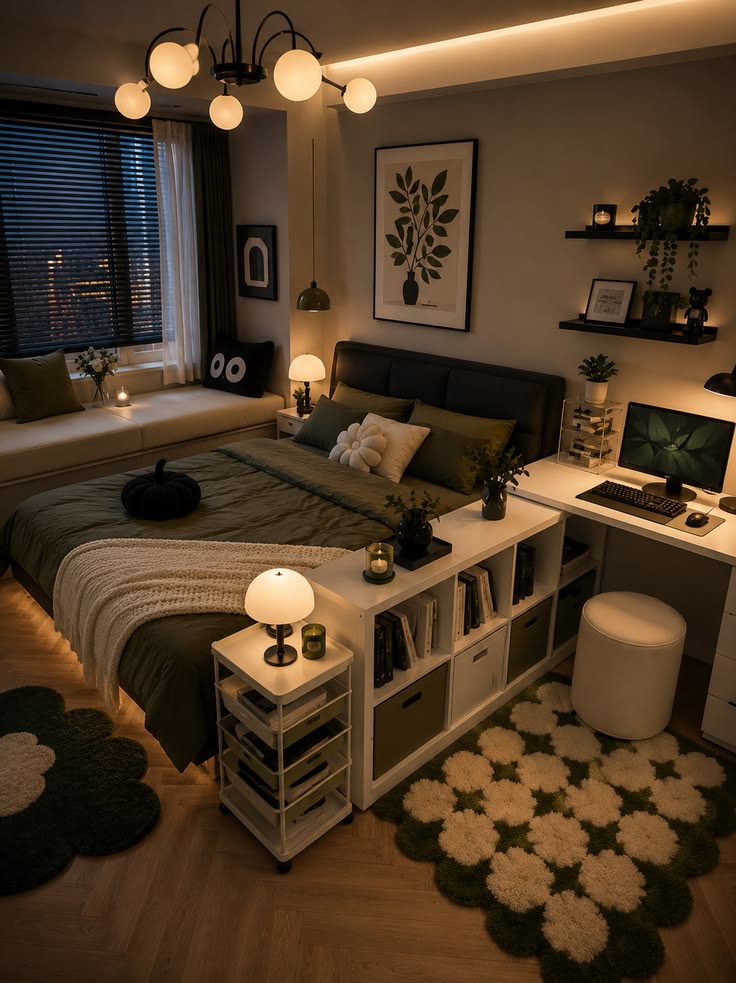
10 Cozy Bedroom Ideas to Make Your Space Warm and Inviting
Your bedroom should feel like a place where you can slow down, relax, and enjoy a little quiet time at the end of the day. You don’t need a huge room or an expensive renovation to create that feeling. With the right colors, lighting, textures, and organization, even a small bedroom can become warm, comfortable, and stylish.
If you’re looking for simple bedroom inspiration, these cozy bedroom ideas can help you transform your space without making it feel crowded.
1. Use Warm and Neutral Colors
One of the easiest ways to make a bedroom feel cozy is to choose a warm and calming color palette.
Soft beige, cream, warm white, olive green, taupe, and muted brown can work especially well. These shades create a relaxed atmosphere and can make the room feel more cohesive.
You don’t have to repaint the entire room. Try introducing warm colors through:
- Bedding
- Curtains
- Decorative pillows
- Rugs
- Wall art
- Small accessories
A neutral base also gives you more freedom to change your decor later without starting from scratch.
2. Add Multiple Sources of Lighting
Lighting can completely change the atmosphere of a bedroom.
Instead of depending only on one ceiling light, consider using several smaller sources of light. A bedside lamp, desk lamp, floor lamp, or subtle LED lighting can create different levels of brightness throughout the room.
Warm-toned lighting is particularly useful when you want a softer evening atmosphere.
For a cozy bedroom, think about creating layers:
Main lighting + bedside lighting + decorative lighting
This simple combination can make an ordinary room feel much more inviting.
3. Layer Your Bedding
A bed is usually the main visual feature in a bedroom, so making it look comfortable can have a big impact.
Start with simple bedding and add layers using blankets, throws, and decorative pillows. Different textures can make the bed look more interesting without requiring bold colors.
For example, you could combine:
- Cotton or linen-style bedding
- A knitted throw
- Two or three decorative pillows
- A textured blanket at the end of the bed
The goal isn’t to add as many items as possible. Instead, focus on creating a balanced and comfortable look.
4. Bring Plants Into the Room
Plants are an easy way to add life and natural character to a bedroom.
If you have enough natural light, a few indoor plants can work beautifully on shelves, a desk, or a small side table.
If you’re not confident with plant care, start with low-maintenance varieties or use a few artificial plants as decorative accents.
Hanging plants can also be useful when floor space is limited because they add greenery without taking up valuable room.
5. Make Use of Vertical Space
Small bedrooms often have limited floor space. Instead of trying to squeeze more furniture into the room, look upward.
Wall-mounted shelves can provide useful storage while also giving you space to display books, plants, candles, artwork, and other decorative pieces.
Floating shelves are particularly useful because they keep the floor area open and can make a small room feel less crowded.
6. Create a Functional Bedroom Workspace
If your bedroom also needs to function as a workspace, try to keep the two areas visually organized.
A compact desk can fit into a corner or along one wall. Keep only the items you use regularly on the desk and use small organizers for accessories.
A clean workspace can make the whole room feel more organized.
You can also use a small shelf above the desk for books and decorative items while keeping the desktop relatively clear.
7. Choose a Rug That Adds Texture
A rug can make a bedroom feel warmer and more comfortable, especially when the room has hardwood or another hard floor surface.
Instead of choosing a rug simply because it looks attractive, consider how its texture works with the rest of the room.
A soft, textured rug can complement simple bedding and neutral furniture particularly well.
For smaller rooms, a strategically positioned rug can also help visually define different areas.
8. Keep Decorative Pieces Simple
Cozy doesn’t have to mean cluttered.
A few carefully selected decorative pieces can have more impact than filling every available surface.
Consider adding:
- Framed artwork
- Small plants
- Candles
- Decorative books
- A small table lamp
- One or two personal accessories
Try leaving some empty space around your decorations. This helps the room feel intentional rather than overcrowded.
9. Use Storage That Doubles as Decor
Storage is especially important in a small bedroom.
Instead of adding large storage furniture everywhere, look for pieces that can serve more than one purpose.
For example, a low shelving unit can separate the sleeping area from a workspace while also providing storage for books, baskets, and everyday items.
Storage baskets can also hide small items while adding texture to the room.
The best small-bedroom layouts usually combine practicality with decoration.
10. Personalize the Space
Finally, don’t make your bedroom look like a showroom.
The most inviting rooms usually contain small details that reflect the person who lives there.
Add artwork you enjoy, photographs, favorite books, souvenirs, or other objects that have meaning to you.
Your bedroom doesn’t need to follow one particular interior design trend. The goal is to create a space that feels comfortable and genuinely yours.
Final Thoughts
Creating a cozy bedroom doesn’t require a major renovation or a large budget. Small changes to lighting, bedding, colors, storage, and decoration can make a noticeable difference.
Start with one or two changes instead of trying to transform everything at once. You might begin with warmer lighting and layered bedding, then gradually add plants, artwork, shelves, and storage solutions.
The best cozy bedroom is one that looks good while also working for your everyday life.

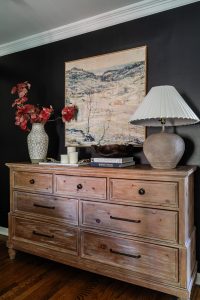
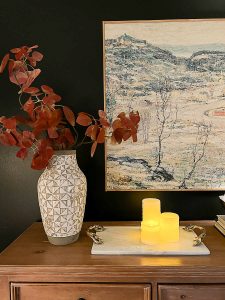

If you’re looking for more inspiration, save your favorite bedroom ideas and create a small mood board before buying anything. This can help you choose colors, textures, and furniture that work well together.