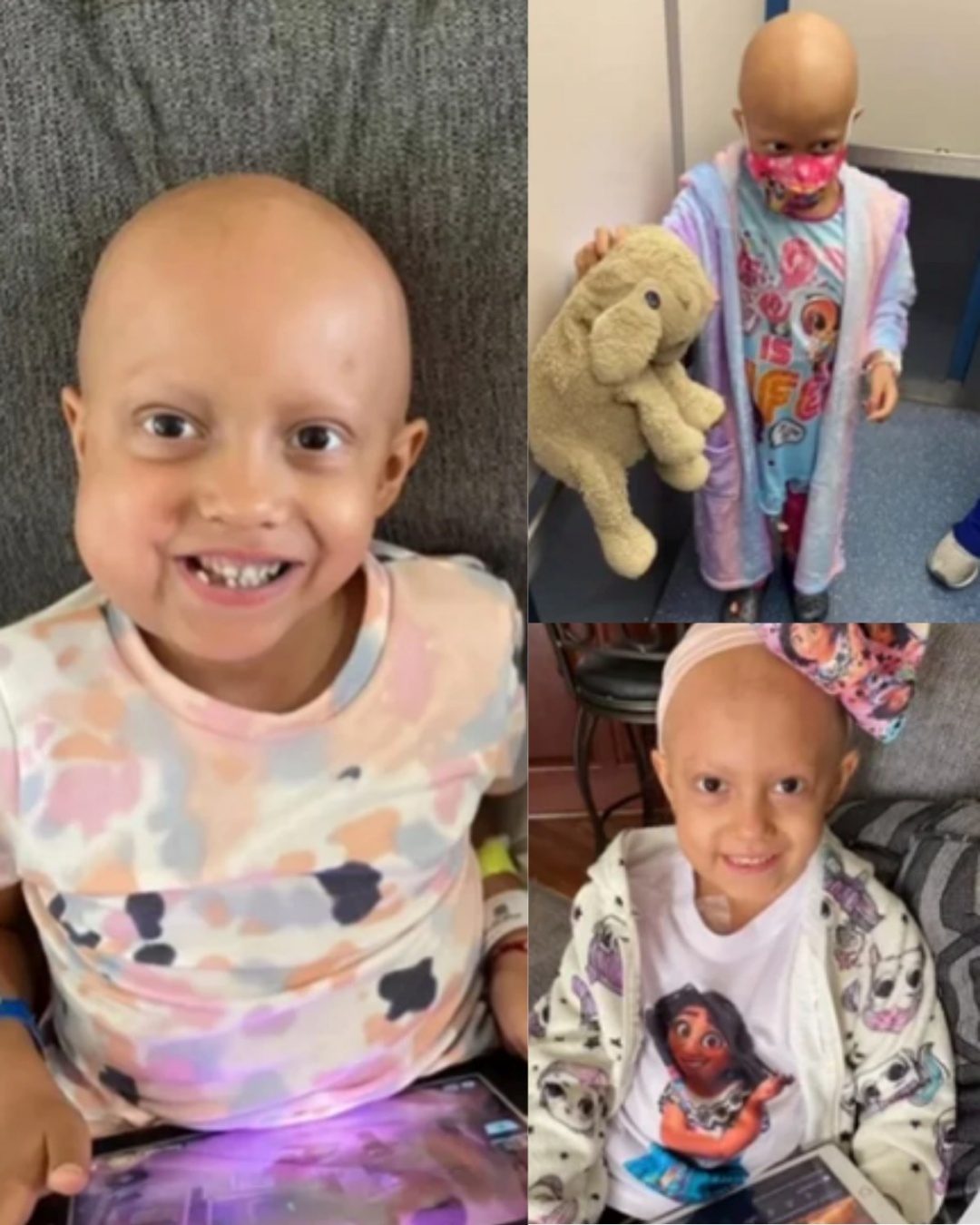
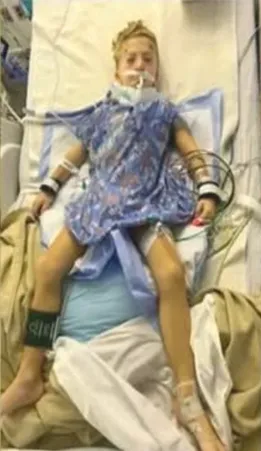
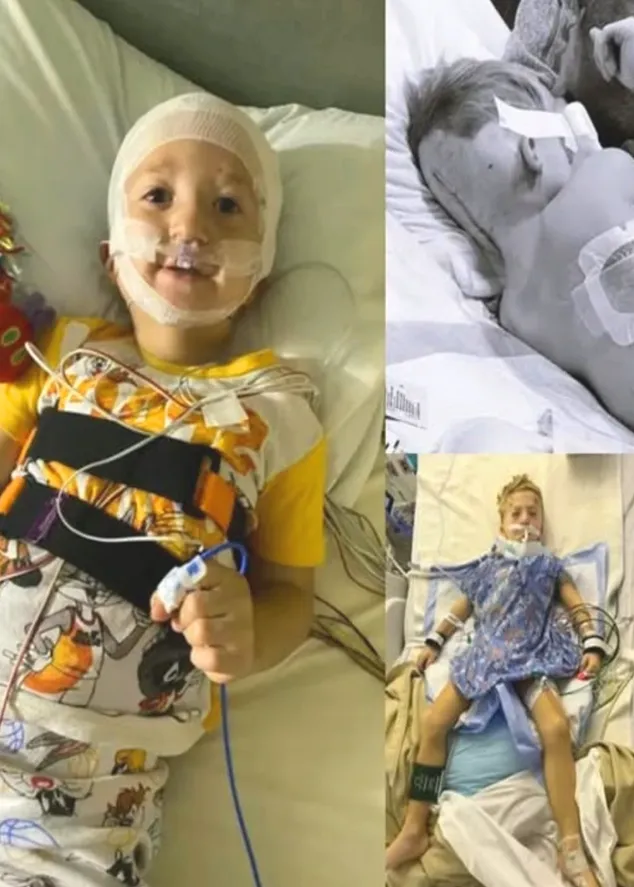
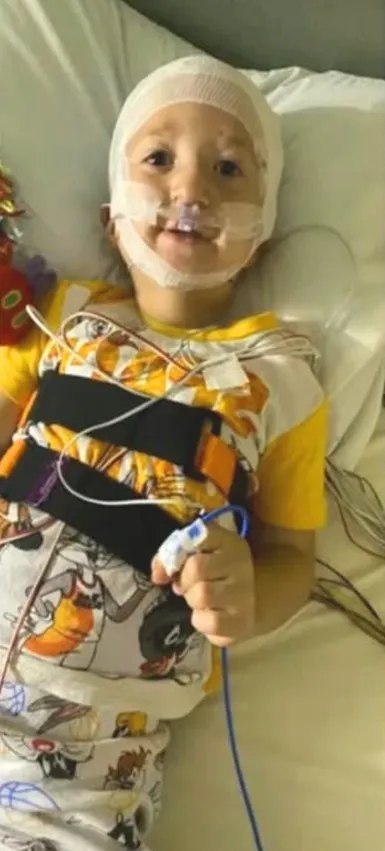
Gia was only five years old, but she carried a presence far bigger than her small frame.
She was the kind of child whose laughter filled rooms, whose smile softened the hardest days, whose spirit refused to stay quiet. From the outside, she looked like pure joy — bright eyes, endless energy, a heart that loved without hesitation.
Then neuroblastoma entered her life.
Slowly, relentlessly, it began to dim the light she brought into every space.
Strength faded where boundless energy once lived.
Hospital rooms replaced playgrounds.
Needles, scans, and treatments became part of a routine no child should ever know.
Through it all, Gia’s family never left her side.
They showed up for every appointment, every scan, every difficult conversation whispered in hallways they never wanted to walk. They learned how to read medical charts and doctors’ expressions, how to balance hope with reality, how to be strong even when they were breaking inside.
They watched their little girl endure pain with a courage that felt impossible to comprehend.
Gia laughed through tears.
She played with her brothers whenever her body allowed it, squeezing joy into the smallest moments.
She made memories even when time felt painfully limited.
She was many things at once.
A princess in a tutu, spinning despite exhaustion.
A fearless tomboy in sneakers, chasing laughter when her legs still carried her.
A daughter whose hugs felt like home.
A sister whose love knew no limits.
Even on days when comfort was fleeting, Gia chose life.
She chose play.
She chose love.
Her family held on to everything — every smile, every giggle, every breath, every heartbeat. They memorized the sound of her voice, the way her eyes lit up when her brothers entered the room, the strength it took for her to simply exist some days.
Cancer took so much from her body.
But it never took who she was.
Gia lived fully, even when living was hard.
And when the fight finally became too heavy for her small body to carry, she did not leave quietly. She left wrapped in love, surrounded by the people who had never stopped choosing her, even when there were no answers left to hold onto.
Now, the world feels quieter without Gia in it.
The spaces she once filled echo with absence — the kind that settles deep into the chest. Her family moves forward carrying grief alongside gratitude, pain alongside pride. Because loving Gia was a gift, even when losing her shattered everything.
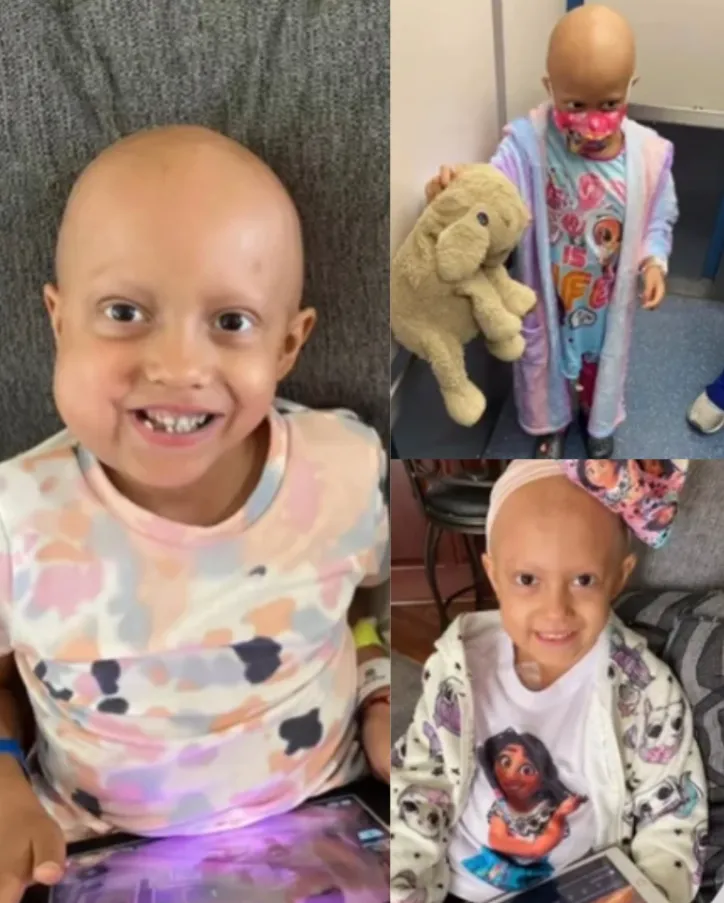
Her light did not disappear when she did.
It lives in the way her family loves.
In the way her brothers remember her.
In the way her story reminds us that courage is not measured in years, but in how fully a soul chooses to live.
May you like
Gia was only five.
But she showed the world how to love deeply, laugh honestly, and live bravely — even in the face of unimaginable loss.
And that light will never fade.
His Childhood Began in Hospital Rooms — And One Spinal Surgery Would Decide Everything 5754
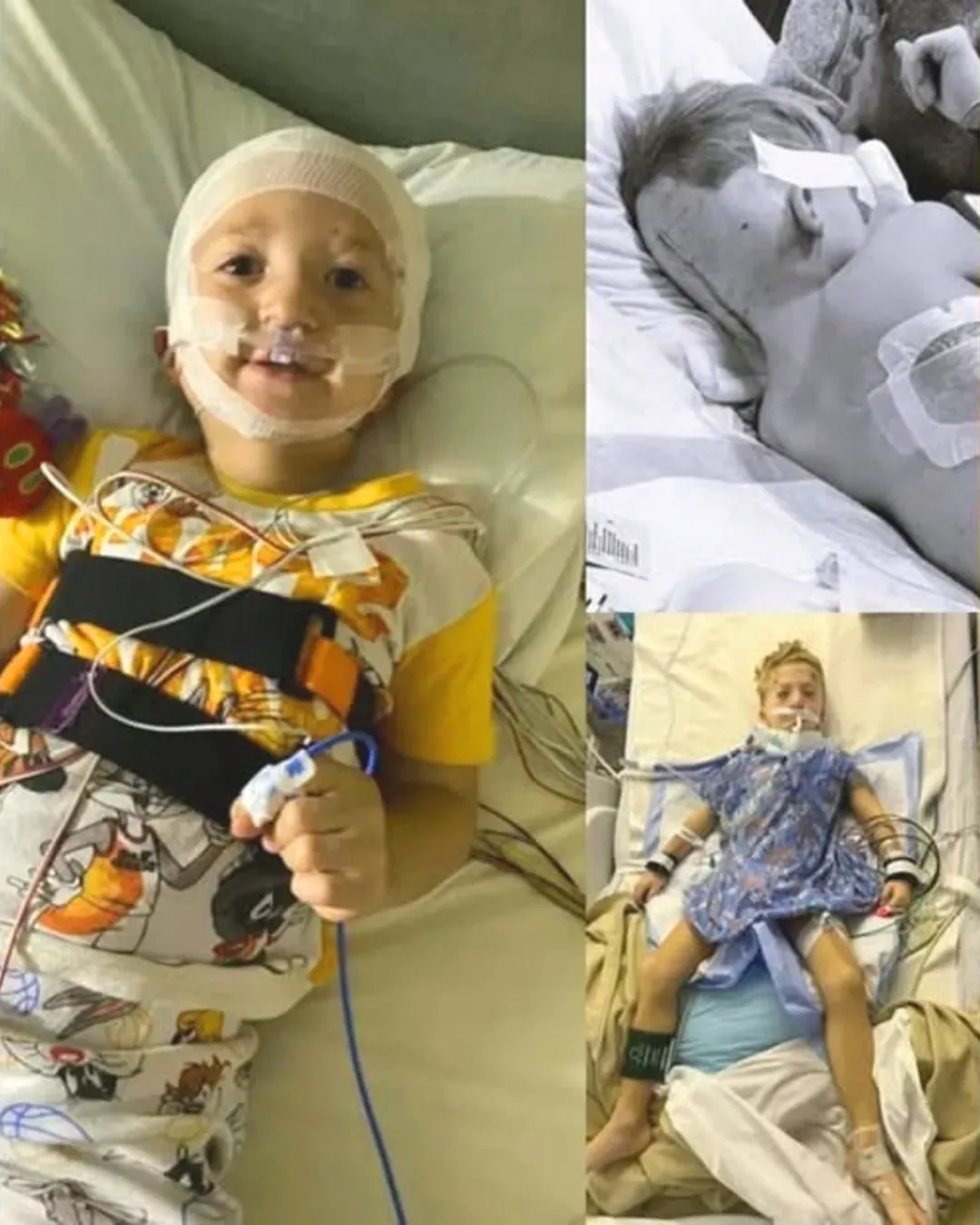
From the moment Luke was born, life asked more of him than it ever should have asked of a child. Before he could speak, before he could walk, before he could even understand what pain was, his body was already marked by challenges most adults never face. His fingers were fused. His skull misshapen. His hearing impaired. Surgeries arrived early and often, stacking up year after year, each one taking something from him while also giving him a chance to keep going.
Luke’s earliest memories were not of playgrounds or birthday parties. They were of hospital corridors washed in fluorescent light, the hum of machines, and the quiet murmur of prayers whispered by exhausted parents at his bedside. Pain was familiar. Fear was familiar. And yet, somehow, Luke never met those things with anger. He met them with a quiet courage that surprised everyone around him.
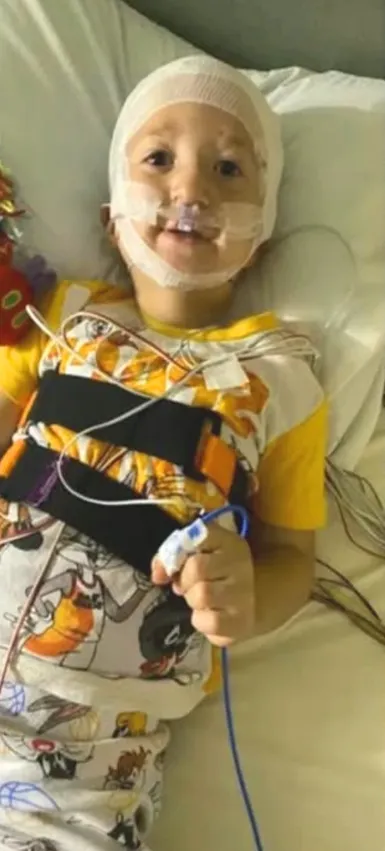
He learned early how to endure.
As he grew older, Luke became used to hearing words like “complex,” “high-risk,” and “uncertain.” He learned how to smile even when his body hurt. How to keep going even when the road ahead felt impossibly long. But nothing prepared his family for the surgery that loomed next — a spinal fusion so risky that even the doctors spoke carefully, measuring every sentence.
There were no guarantees.
No promises.
Only hope.
The surgery carried the possibility of changing everything — including the chance that Luke might not walk again. His parents tried to be strong, but fear followed them into every quiet moment. Luke, however, faced it in his own way. He brought his stuffed dog with him, holding it close like a shield against the unknown.
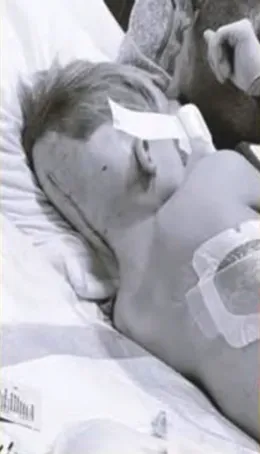
Just before he was wheeled into the operating room, Luke looked at his mother, squeezed his dog tighter, and whispered words that would stay with her forever.
“I’ll wake up and wiggle my toes.”
It wasn’t bravado. It wasn’t denial. It was belief — pure and simple.
The hours that followed felt endless. Time stretched thin as his parents waited, suspended between everything that could go wrong and the fragile hope that it wouldn’t. When the surgery finally ended, Luke was battered and exhausted, his small body bearing the cost of a fight he never asked to enter.
But he was alive.
And then came the moment.
As doctors and nurses gathered, as the room held its breath, Luke did exactly what he had promised. His toes moved. Just a little. Barely more than a twitch.
But that tiny wiggle shattered the silence.
Tears came instantly. Relief. Gratitude. A victory so small on the surface, yet so enormous it felt like the whole world had shifted. That single movement meant everything. Luke had kept his promise.
Survival, however, was only the beginning.
Recovery was brutal. Pain came in waves. Progress was slow and frustrating. Some days felt like steps forward; others felt like nothing but setbacks. Hope thinned on the hardest days, stretched tight by exhaustion and fear. Luke worked through physical therapy that pushed his limits, asking his body to relearn things it once did naturally.
And then, one day, everything changed.
Corrin walked into the room.
A therapy dog with soft eyes, steady energy, and a calm that filled the space without effort. There was no rush, no pressure. Just presence. Something in Luke shifted the moment Corrin came near. His shoulders relaxed. His face softened. He smiled more. Tried harder. Moved more.
With Corrin beside him, therapy stopped feeling like a battle he had to fight alone.
Corrin lay quietly during painful moments. Walked patiently during difficult exercises. Stayed close when Luke needed encouragement more than words. The dog didn’t care how slow progress was. Didn’t mind shaky steps or setbacks. Corrin was there — every time — tail wagging, eyes steady, never leaving Luke behind.
When Luke took his first steps after surgery, Corrin was right there with him.
Matching every unsteady movement.
Turning fear into confidence.
Turning pain into purpose.
Together, they moved forward.
Day by day, Luke grew stronger. His body healed, slowly but surely. His laughter returned, easier now. His spirit, which had never truly broken, rose even higher. Walking became natural again. Life expanded beyond hospital rooms.
Today, Luke walks on his own. He laughs easily. He lives fully.
When people call him a miracle, he shrugs.
“I’m lucky,” he says. “I have Corrin.”
But the truth runs deeper than that.
Luke didn’t just survive his challenges. He rose above them. He healed with courage that never asked for attention, with a heart that refused to quit, and with a dog who walked beside him when the road felt too hard to face alone.
His story is not just about surgery or recovery. It is about resilience. About the power of belief. About the quiet miracles that happen when courage meets compassion — and when no one, human or dog, lets a child give up.