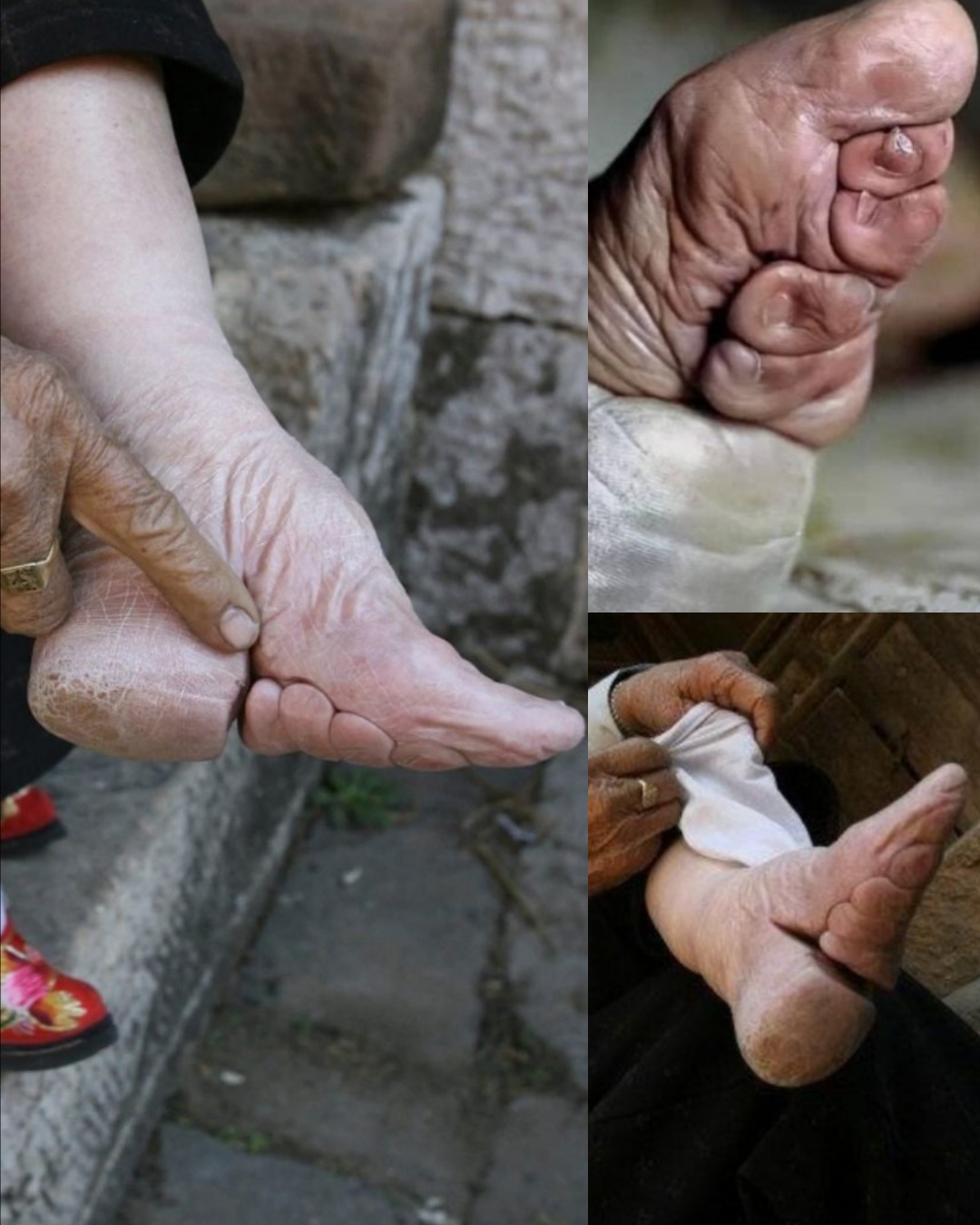
For centuries, Chinese women were subjected to a deeply rooted societal norm: the practice of foot binding, which began during the Song Dynasty around the 10th century. This custom, which deformed the feet of young girls from a very early age, aimed to create the so-called “lotus feet” — small and arched feet, measuring just 7 to 10 cm in length, considered for centuries the epitome of beauty, delicacy, and social status.
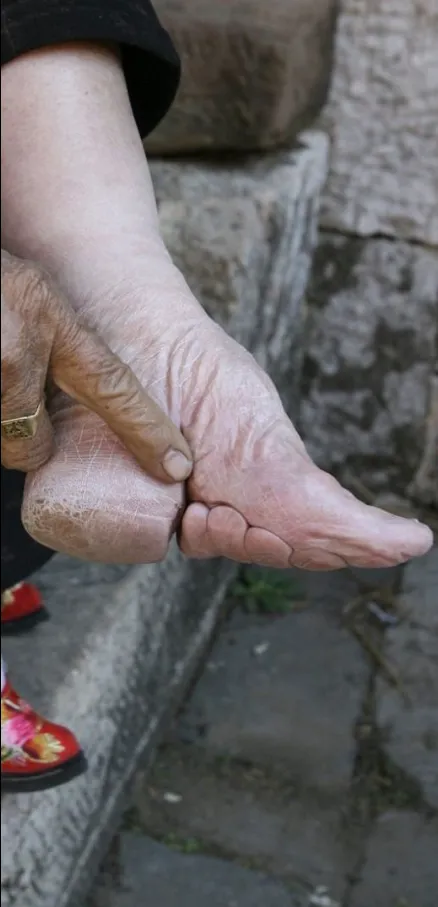
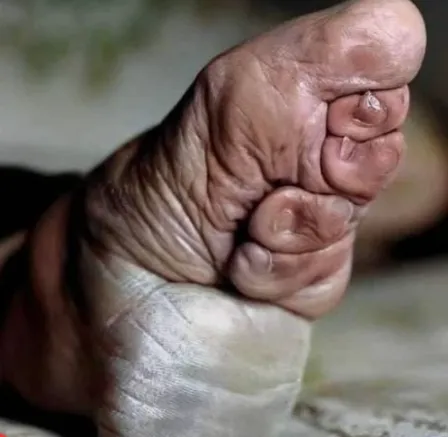
The process of obtaining lotus feet was as painful as it was devastating. From childhood, girls were subjected to the agonizing practice of wrapping their feet tightly with bandages to bend their toes toward the soles of their feet. This procedure was repeated year after year, causing not only excruciating pain but also irreversible deformities, chronic infections, and extreme difficulty in walking. Women with bound feet lived in constant suffering, yet despite the physical consequences, many families viewed this practice as a mark of beauty, elegance, and a way to ensure a prestigious future for their daughters.
However, the objective behind this practice was not only physical. In ancient Chinese society, lotus feet symbolized a woman’s position within the social hierarchy. Through their feet, women demonstrated their place in society, as small feet were associated with femininity, submission, and the ability to fulfill the expectations of the female role. Women with lotus feet were seen as delicate and refined, qualities that made them more desirable for arranged marriages, which were common at the time.
Though the fascination with lotus feet persisted, the practice came under increasing scrutiny toward the end of the Qing Dynasty. By the early 20th century, with the onset of the 1911 Revolution that brought an end to the Qing Dynasty, a period of social and political transformation began, which strongly questioned the norms that had perpetuated these customs. While foot binding began to decline during the 1910s, its effects lingered in cultural memory as a testament to the strict expectations imposed on women.
The practice of foot binding was officially outlawed by the Chinese government, but its cultural impact continued to shape perceptions of beauty and femininity in China for years to come. Though the tradition is no longer widely practiced, the legacy of lotus feet remains a powerful symbol of the control over women’s bodies and the restrictions imposed on them throughout history.
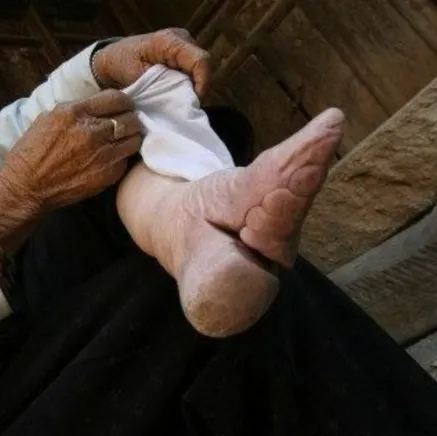
Today, foot binding is remembered not just as a cultural tradition but as a reflection of the constraints placed upon women in an era where aesthetics, submission, and control over the female body were central tenets of society. Though the practice has largely disappeared, the image of the lotus feet continues to serve as a powerful reminder of the struggles for autonomy and women’s rights in China.
Baby Born with Rare ‘Benjamin Button’ Syndrome Defies Expectations: A Mother’s Journey of Love and Strength 7602
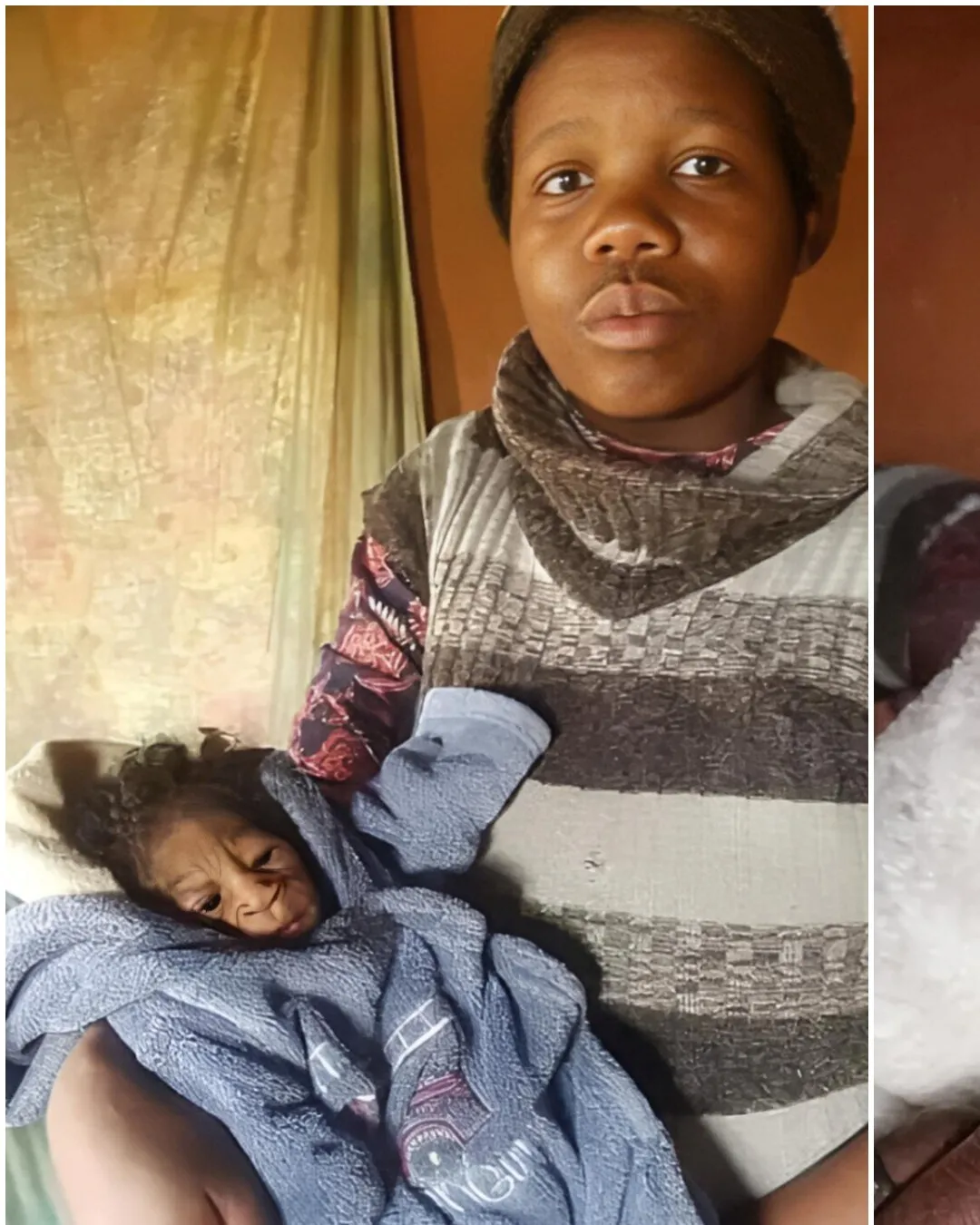
A 20-year-old mother from South Africa has welcomed a beautiful baby girl into the world, but her daughter’s condition has left both her family and the world in shock. The baby girl, born with a rare genetic condition known as Hutchinson-Gilford Progeria Syndrome — often referred to as the “Benjamin Button” condition — appears far older than her age. This syndrome causes children to age prematurely, giving them the appearance of being much older than their actual years, and the newborn’s physical features reflected the accelerated aging associated with the condition.
Progeria, named after the Greek word “progeria,” meaning “prematurely old,” affects children under two and causes rapid physical aging. Like the character from the movie The Curious Case of Benjamin Button, the baby was born with wrinkled skin, deformed hands, and facial features that seemed far beyond her infant age. The family was initially confused and concerned, but medical tests quickly confirmed the diagnosis.
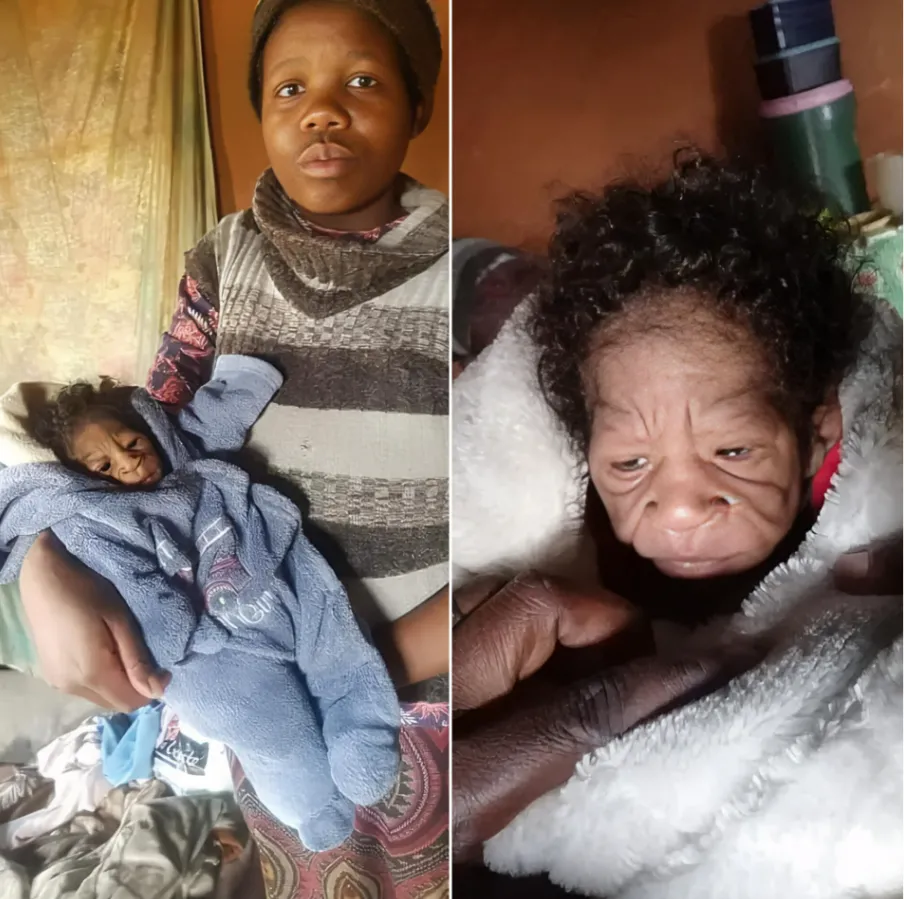
The mother, who gave birth to her daughter at home in the small town of Libode, was unaware of the rare condition before the birth. She was shocked when her baby didn’t cry and was struggling to breathe. Her daughter’s ribs visibly moved as she breathed, a symptom of the condition, which worried her greatly. But despite the challenges, the mother remained strong and soon found herself navigating a world filled with mixed reactions, some positive and others deeply hurtful.
May you like
After the baby’s photos began circulating online, cruel comments surfaced. People started mocking the baby, calling her an “old woman” due to her appearance, which deeply hurt the family. The baby’s grandmother spoke out, explaining how difficult it was for the family to see their loved one subject to such cruelty. “We were told she has a disability. I noticed something unusual during her birth. She didn’t cry and was breathing through her ribs. I was shocked. Now I hear people are calling her names. That hurts a lot. If I could, I would punish them all,” she said.
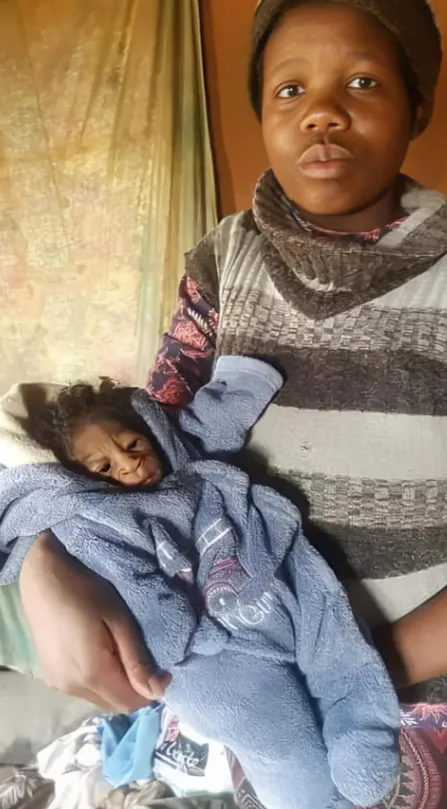
Though the family’s journey has been filled with heartbreak and challenges, they have remained incredibly supportive of one another, determined to give the little girl all the love and care she deserves. Children with Progeria typically face serious health challenges, particularly in the cardiovascular system, and their life expectancy is limited — with an average of 14.5 years. However, the family remains hopeful, finding strength in their love for their daughter and the medical care they can provide.
The Progeria Research Foundation estimates that there are only about 132 children and young adults worldwide living with Hutchinson-Gilford Progeria Syndrome. The rarity of the condition, coupled with the heart-wrenching circumstances it brings, makes this mother’s experience all the more unique. Despite the prejudice and hurtful comments from the public, the family has chosen to focus on the precious moments they can share with their daughter, hoping to raise awareness of this rare condition.

This story of a mother’s love, combined with the challenges of living with such a rare condition, serves as a powerful reminder that every child, regardless of how they look or the challenges they may face, deserves to be loved and supported. It also highlights the importance of compassion and understanding when it comes to those who are different from us.
As this young family moves forward, they carry with them not only the weight of their daughter’s rare condition but also the strength that comes from deep love, resilience, and the commitment to give their child the best life possible.