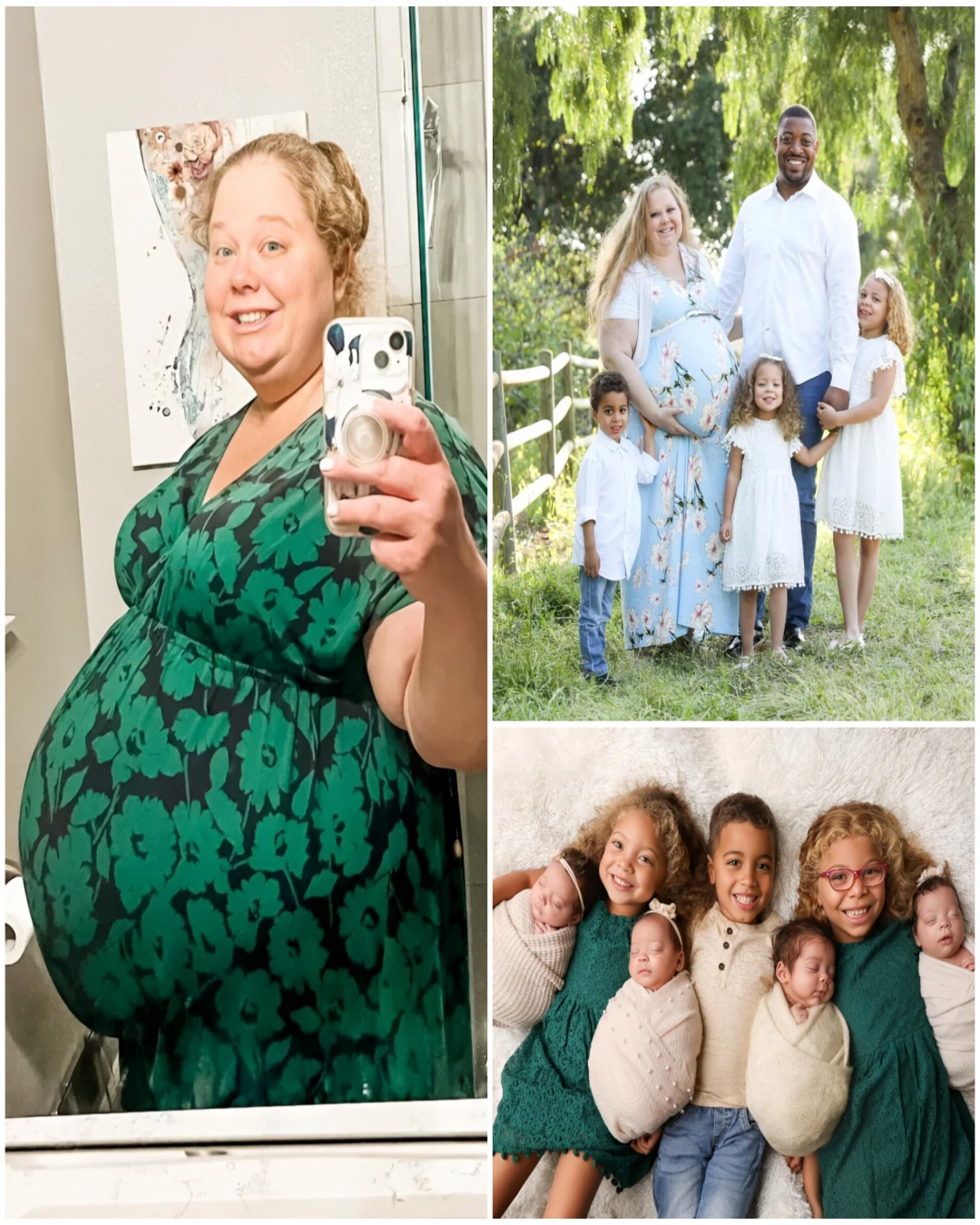
Callie Woodard walked into the hospital believing she was about to lose the child she had waited years to conceive. The pain in her abdomen had come suddenly, sharp and unrelenting, and the scans told a devastating story. Doctors said it was an ectopic pregnancy — a dangerous condition where the embryo develops outside the uterus, most often in a fallopian tube. There was no visible pregnancy inside her womb. The hormone levels were rising, but the place where life should have been looked empty. Surgery was not optional. It was urgent. Necessary. Final.
At 36, Callie was no stranger to heartbreak.
She and her husband, Gabriel, had already traveled the long, exhausting road of infertility — the appointments, the medications, the careful timing, the rising hope followed by crushing disappointment. At one point, a doctor had told her that her egg quality resembled that of a pre-menopausal woman. The odds of natural conception were painfully slim. Yet they kept going. They endured the emotional rollercoaster because somewhere inside them, belief still lived.
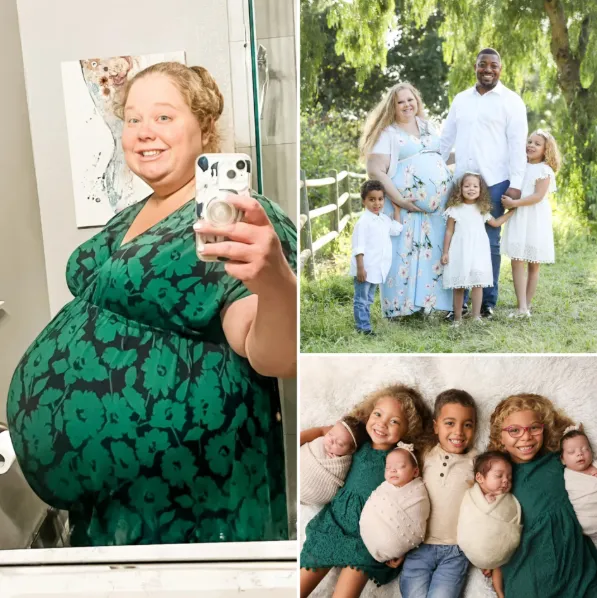
In 2019, fertility treatment blessed them with twins — a miracle they held with both hands. Their family grew. Their home filled with laughter. But like many parents who know how fragile fertility can be, they still carried the quiet ache for one more child.
When they decided to try again, doctors encouraged donor eggs. It seemed the most practical choice. The safest route. But Callie wasn’t ready to give up on her own body. On their eighth attempt, with a different medication protocol, something unexpected happened.
She conceived naturally.
The joy was cautious but real. Until the pain began.
At the hospital, doctors explained the situation clinically. Rising pregnancy hormones. No embryo visible in the uterus. Evidence pointing toward an ectopic implantation. There was no room for delay. An untreated ectopic pregnancy can rupture and become life-threatening. The surgery would remove the embryo and protect her health.
Callie prepared herself to say goodbye to the pregnancy she had barely begun to imagine.
But just before the procedure, a small decision changed everything.
Doctors offered a newer anesthesia option — one that would allow faster recovery. However, they cautioned that if there were any remaining pregnancy tissue inside the uterus, the medication could potentially affect it. It was presented as unlikely. A formality. A technical detail.
Still, something inside Callie resisted.
“I couldn’t explain it,” she later said. “I just knew I had to protect my womb.”
She declined the anesthesia alternative.
The surgery proceeded. Doctors removed the ectopic pregnancy from her fallopian tube. It was successful. The immediate danger was gone. Everyone assumed the chapter had closed.
Except her body didn’t behave like it was over.
In the days that followed, her hormone levels continued to rise. Not plateau. Not fall. Rise.
Her doctor ordered another scan.
When the ultrasound technician moved the wand across her abdomen, the room shifted. Silence fell. The kind of silence that feels heavy.
There, inside her uterus, were four tiny gestational sacs — too early to have been visible before the surgery. Four separate beginnings, quietly growing while everyone believed there was nothing there.
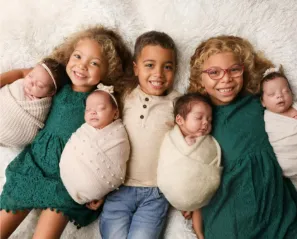
Later, doctors would piece it together: Callie had originally conceived five embryos. One implanted ectopically in her tube. Four had implanted in the uterus, hidden and undetectable at the earlier stage of imaging.
May you like
“I wasn’t supposed to be pregnant at all,” she said. “And suddenly, there were four.”
Shock gave way to disbelief. Disbelief to fear. Fear to something deeper — awe.
Carrying quadruplets is rare. Carrying them after emergency surgery for an ectopic pregnancy is even rarer. The risks multiplied instantly. Her uterus had just undergone trauma. Scar tissue and internal healing raised concerns. Hemorrhage during delivery was a very real possibility. Bed rest loomed. Complications were expected.
And yet, the pregnancy held.
Every appointment carried tension. Every week felt like borrowed time. She worried not just about the babies — but about surviving to raise them. There were moments she lay awake at night wondering whether her body could endure what it was being asked to do.
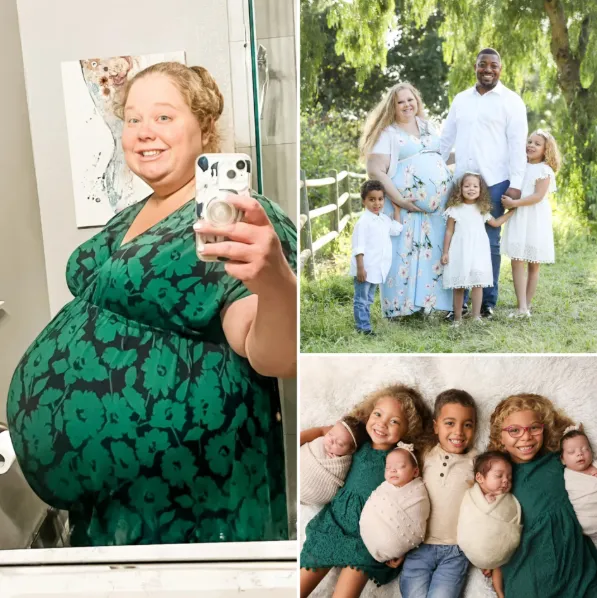
“I was terrified I wouldn’t survive,” she admitted.
But week after week, the four heartbeats continued.
Abigail. Ezra. Norah. Selah.
Names chosen with trembling gratitude.
In June, via scheduled C-section, Callie delivered four tiny but healthy babies. The operating room that once prepared for loss now filled with four distinct cries. Four lives placed gently into the world. Four children who were nearly erased before they were ever seen.
Their home today is loud. Chaotic. Beautifully overwhelming.
There are bottles lined up on counters. Diapers stacked in corners. Sleepless nights and synchronized feedings. Gabriel moves from room to room with a look that blends exhaustion and wonder. Their older twins now watch four new siblings with wide eyes.
“It’s absolute madness,” Callie laughs. “But it’s love everywhere you look.”
What was meant to be the end became a beginning no one could have predicted.
Medicine did what it needed to do. It saved her life. But life itself was quietly unfolding beyond what scans could see, beyond what assumptions could conclude.
Her story is not a dismissal of medical expertise — it is a reminder that sometimes, even in moments of certainty, mysteries remain. That instinct can coexist with science. That hope sometimes survives where visibility fails.
Callie walked into surgery prepared to mourn.
She walked out still pregnant — four times over.
And in a world that often speaks in probabilities and percentages, her story whispers something else:
Sometimes, life has plans that even medicine cannot fully measure.
She Was Told IVF Was Her Only Hope — Then Spent 125 Days in ICU Watching Her Twins Fight to Live 6816
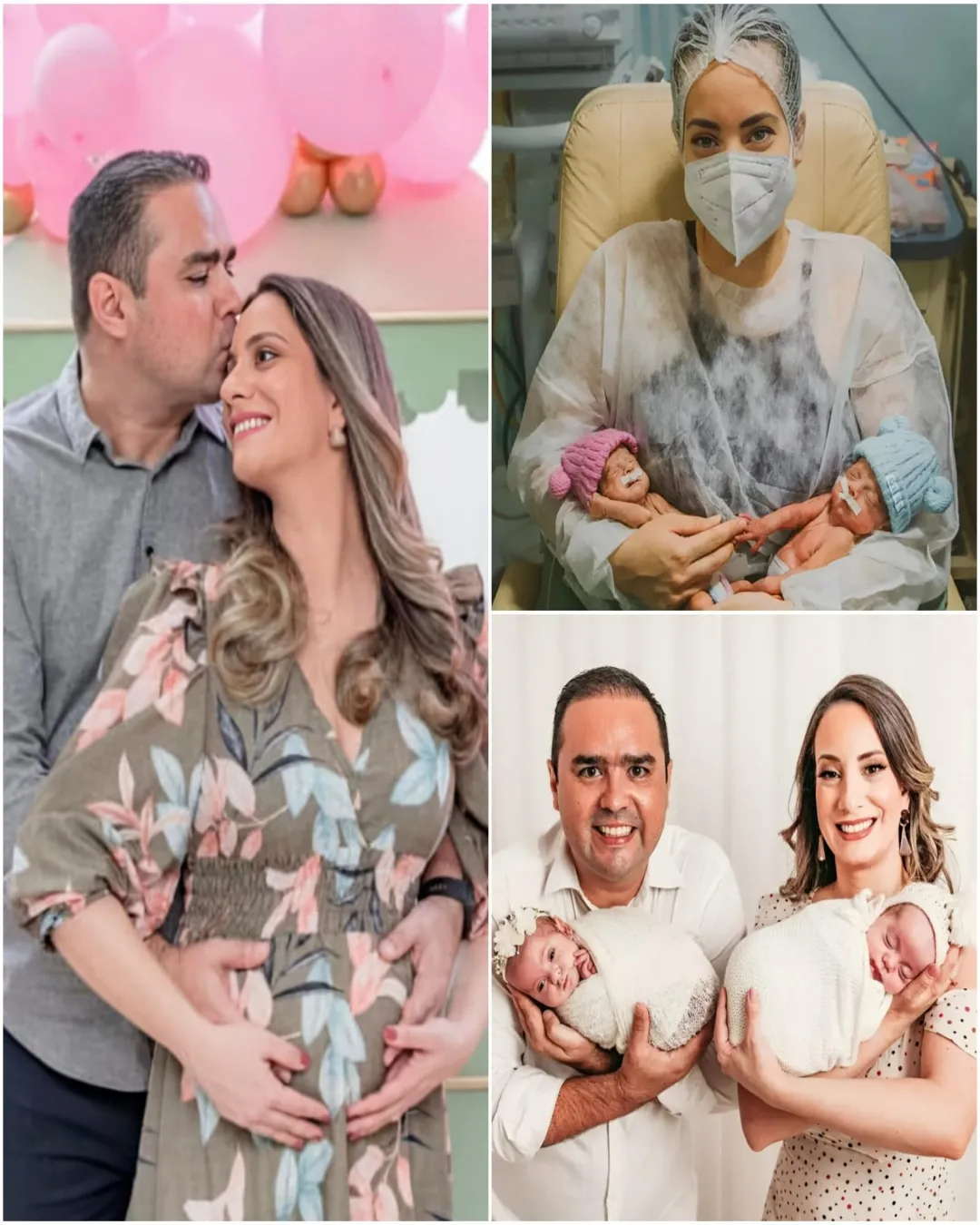
When Nathalia Dantas Pelliccioni first walked into a fertility clinic searching for answers, she wasn’t expecting to leave with her world unraveling.
At 35 years old, she had done what many women do — focused on her career first, believing motherhood would come when the time felt right. Instead, she was met with diagnoses that felt final. Polycystic ovary syndrome. Endometriosis. Hypothyroidism. And the most devastating of all: both fallopian tubes completely blocked.
Three specialists confirmed it.
Natural pregnancy was not possible.
In vitro fertilization would be her only path forward.