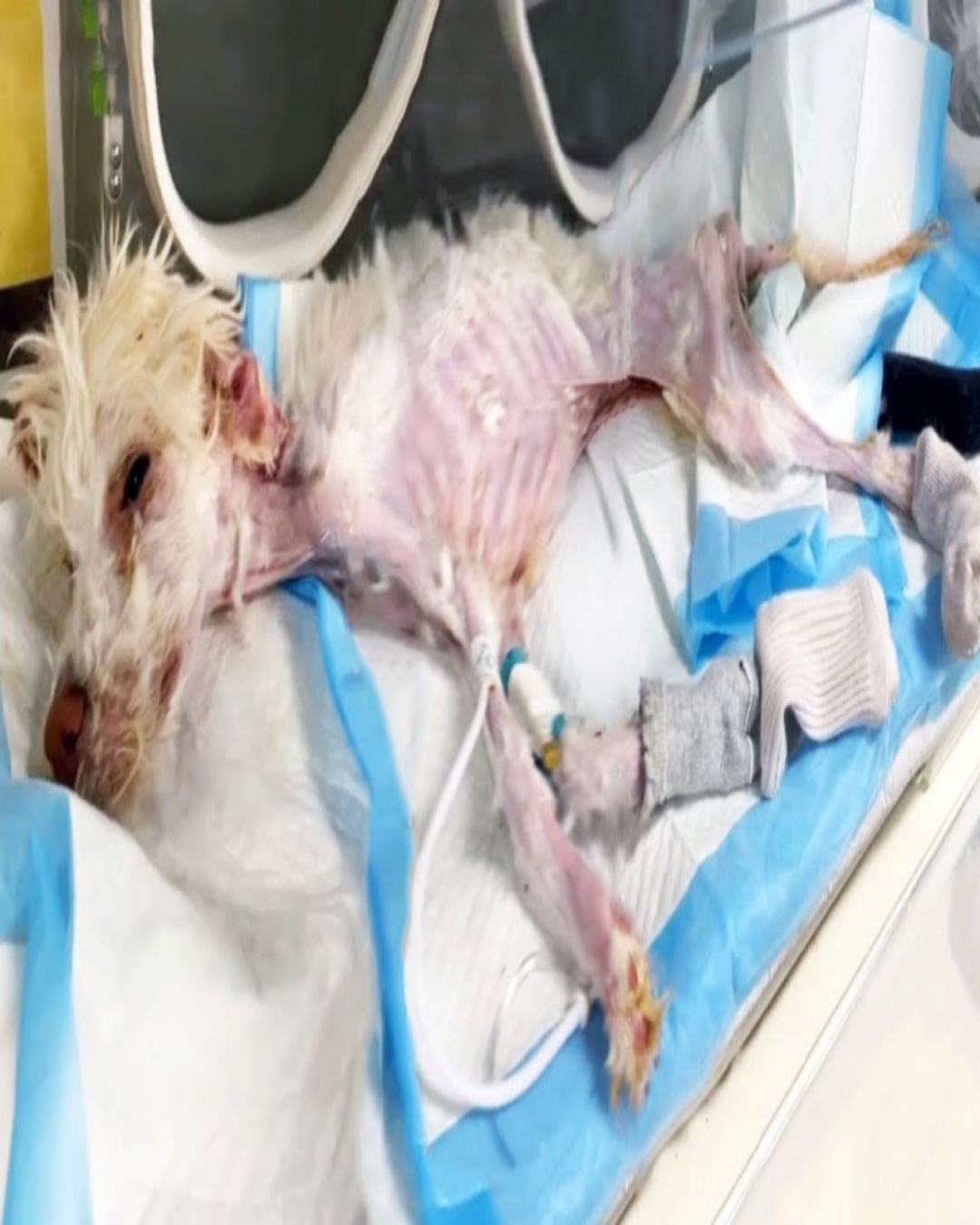
On a warm summer day, with the sun shining brightly and the air thick with the scent of blooming flowers, I decided to take a leisurely stroll through a quaint neighborhood near my home. The cobblestone streets and charming houses had always held a quiet appeal, and as I wandered deeper into the area, my mind wandered just as freely, enjoying the peace of the afternoon.
However, as I passed down a narrow alley, a sound broke the serene atmosphere—a pitiful, distressing cry. It was a high-pitched whimper, unmistakably the sound of a dog in pain. Immediately, I felt my heart sink, and a strange sense of urgency washed over me. I couldn’t ignore it; something inside told me I had to find the source of the cries.
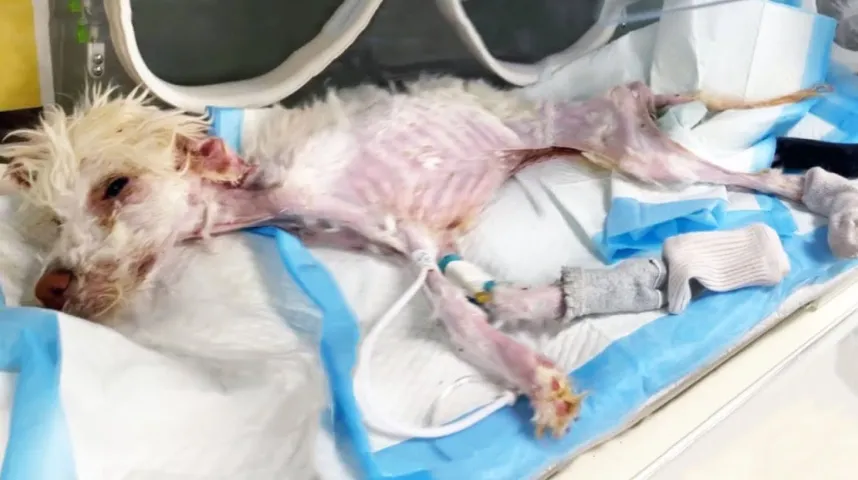
Following the sound, I soon discovered its origin: a tiny, bedraggled puppy huddled in a corner, clearly in distress. Its gray fur was matted with dirt and grime, and its skin was cracked and bleeding. The poor animal looked so fragile, its eyes wide with fear and confusion. I could sense its vulnerability and the immense pain it was in, and it pulled at my heartstrings in a way I couldn’t describe.
Without hesitation, I carefully approached the puppy, determined to help in any way I could. Its small body trembled as I gently touched it, feeling the depth of the despair it was experiencing. At that moment, I knew I couldn’t leave it there. I had to act.
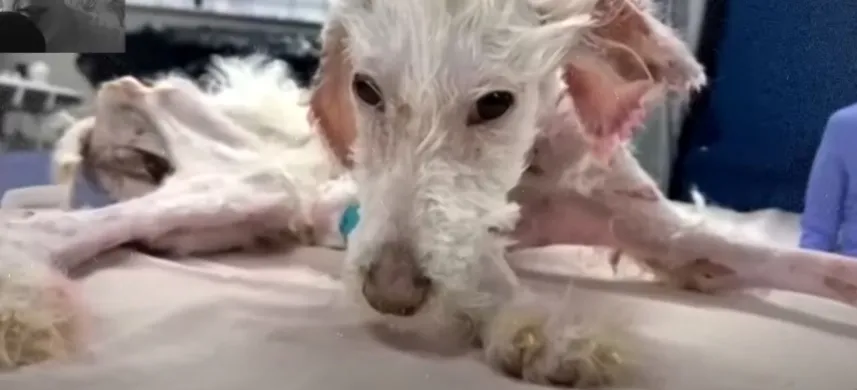
Cradling the fragile creature in my arms, I made my way to the nearest veterinary clinic. As we walked, I softly spoke words of comfort, telling the puppy it was going to be okay, even though I knew the road ahead would be long. The little one seemed to relax slightly in my arms, though still so small and fragile.
When we arrived at the clinic, the veterinary team was already prepared. They had seen many cases of injured and abandoned animals, but the condition of this puppy, so weak and broken, left them momentarily silent. Without wasting time, they began treatment, cleaning the puppy’s wounds and providing the care it needed. I stayed beside the pup throughout the process, offering what comfort I could, not wanting it to feel alone in the midst of the chaos.

Over the next few days, the puppy’s condition slowly improved. It was a gradual recovery, but I could see small signs of hope in the way its energy returned, the way it would wag its tail or perk up when I spoke to it. Watching this tiny creature come back to life was nothing short of miraculous. The cracks in its skin healed, and the puppy began to show a vibrancy that had been absent since the moment we first met. The sense of joy I felt as the puppy regained its strength was overwhelming.
Finally, after weeks of careful care and attention, the puppy was ready to leave the clinic. It had transformed from a fragile, scared little creature into a healthy, lively dog. I knew that my bond with this puppy was something special, something rare, and I decided to bring it home with me.
May you lik
I named the puppy Lucky, not just because it had been lucky to survive, but because meeting me had turned out to be a stroke of luck for both of us. Lucky had found safety, love, and care, while I had gained a companion who brought endless joy into my life.

This journey, this unexpected encounter, taught me a valuable lesson about the transformative power of love and kindness. Even the smallest act of compassion, of reaching out to help someone—or in this case, some creature—can make a world of difference. It can change lives, both for the one receiving help and the one giving it. Lucky was no longer the frightened, abandoned puppy I had found that day. He was now a beloved member of my family, and our lives were forever intertwined.
Lucky’s journey from pain and suffering to health and happiness is a reminder that no matter how small or fragile life may seem, there is always hope. The smallest act of kindness can completely alter the course of a life, and sometimes, what seems like an ordinary day can become the most extraordinary moment in both a puppy’s life and a person’s heart.
11-Year-Old Mihailo’s Fight to Walk Again 1770
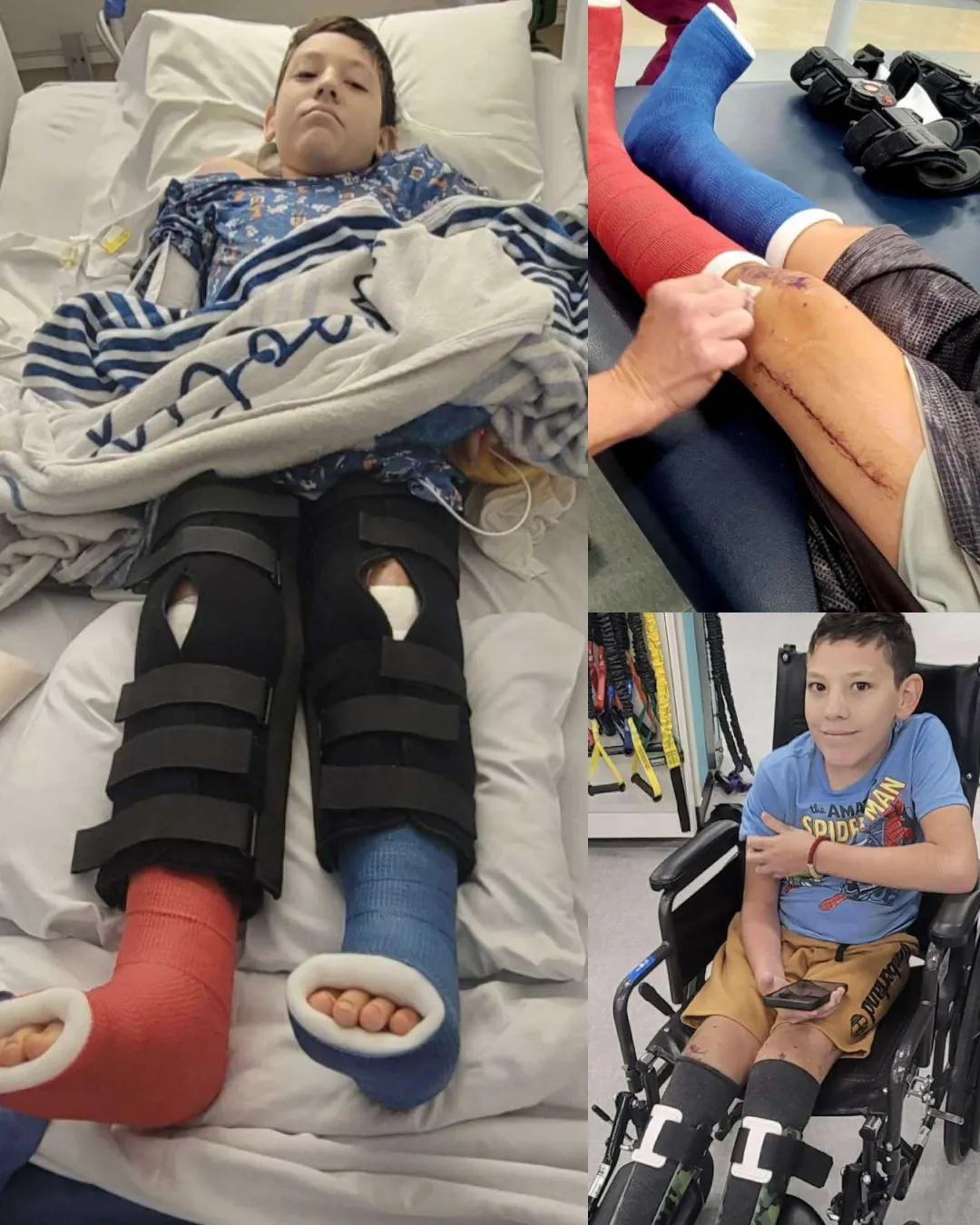
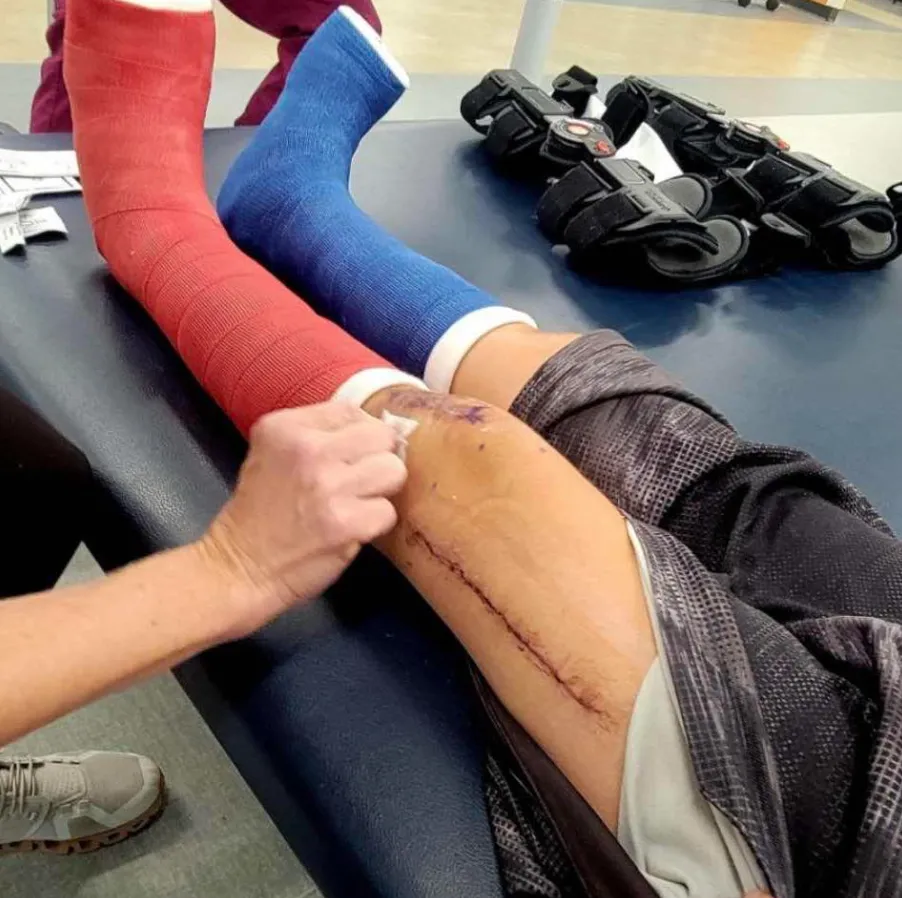
Mihailo is an 11-year-old boy whose spirit is far larger than his body currently allows him to be. Lying on a therapy table with casts stretching up both legs and a long surgical scar running the length of his thigh, he dreams of the simple joys that other kids often take for granted: running freely, playing soccer, or simply walking without pain.
Born healthy and strong, Mihailo crawled, walked, and laughed like any other child. His first years were filled with the delight of discovery and play. But on New Year’s Eve in 2016, a seizure changed the course of his life. His legs stiffened, his gait transformed into tiptoeing, and slowly, the normal rhythm of childhood slipped away. Genetic testing revealed the reason: Sjögren-Larsson Syndrome, a rare condition that gradually steals mobility and independence.
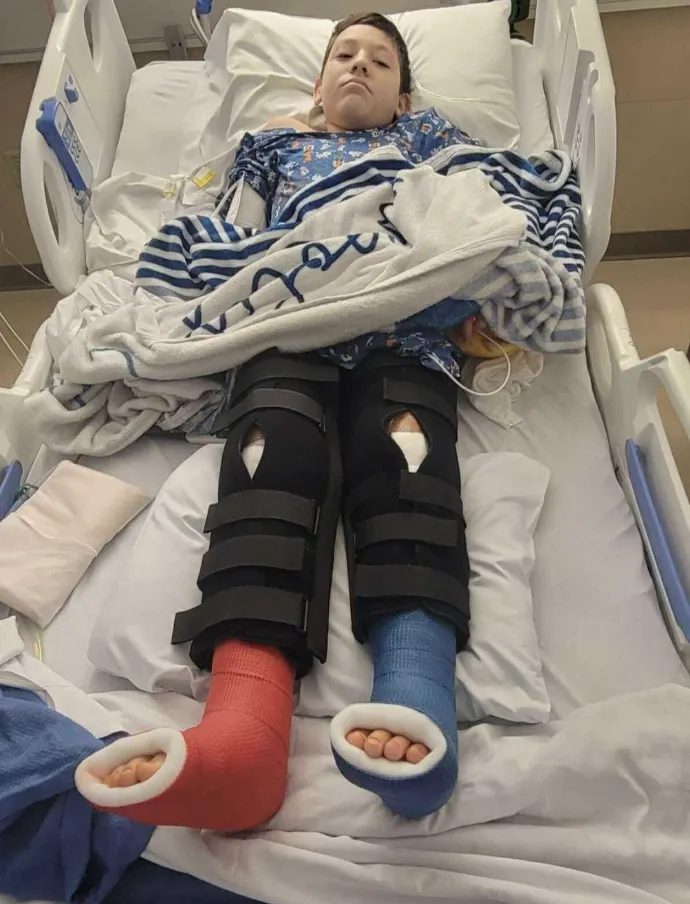
Despite these challenges, Mihailo’s determination never wavered. He dreamed of standing, walking, and playing sports with other children, refusing to let his condition define him. His aunt shares that this wish—simple, pure, human—has fueled every step of his journey, including a brutal six-hour surgery on September 17. Bones were broken and repositioned, muscles lengthened, all in the hope of giving Mihailo a final chance at mobility.
Recovery will be long and painful. Therapy sessions are grueling, slow, and often exhausting. Mihailo cannot attend school in the way other children do, and each day presents both physical and emotional hurdles. Yet through it all, his courage shines. He continues to fight, to smile, and to dream of the day he will walk and run like his peers.
To anyone who sees Mihailo’s story, there is a lesson in resilience and hope. His journey is not only about the struggle to regain movement but also about the courage to face life head-on, despite uncertainty, pain, and the obstacles that many would find overwhelming. It’s a story of determination, love, and the human spirit that refuses to give up.
Mihailo’s path forward is still unfolding, and he needs the support of a community that believes in him. Words of encouragement, prayers, and small gestures of love can lift his spirit and remind him that he is not alone. Each shoutout, each message of hope, is a building block in the foundation of his courage, a reminder that the world is rooting for him.
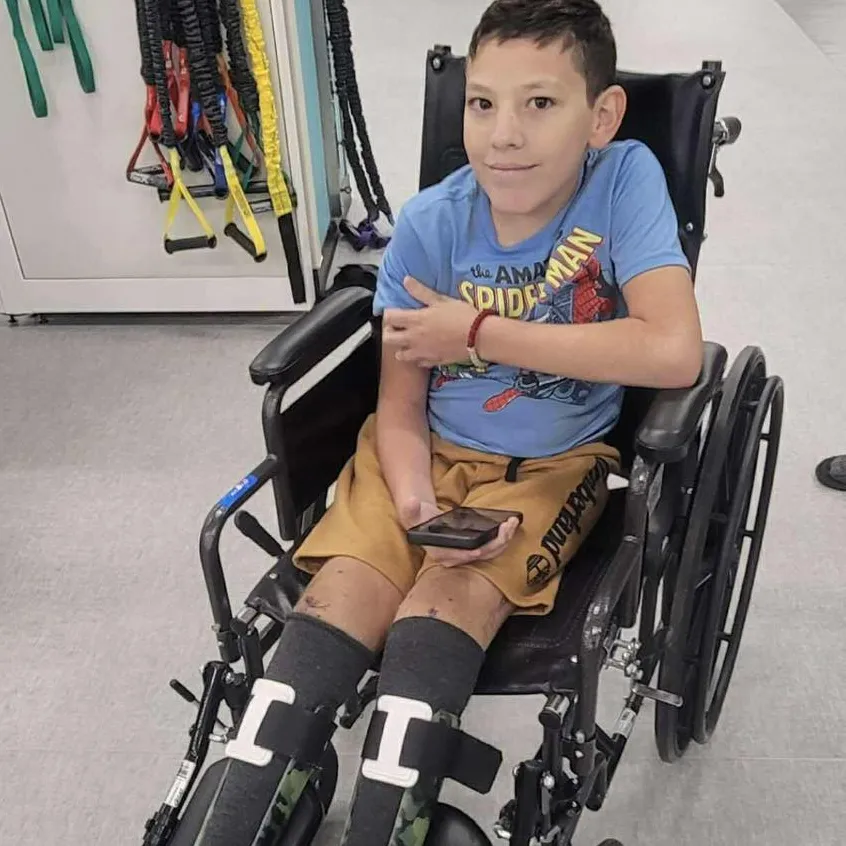
Mihailo may be lying on a therapy table today, but he is a symbol of resilience, strength, and the indomitable will of a child who refuses to let a rare condition take away his dreams. His story is a reminder to cherish every moment, to fight for what matters, and to recognize the power of hope—even when life seems impossibly difficult.