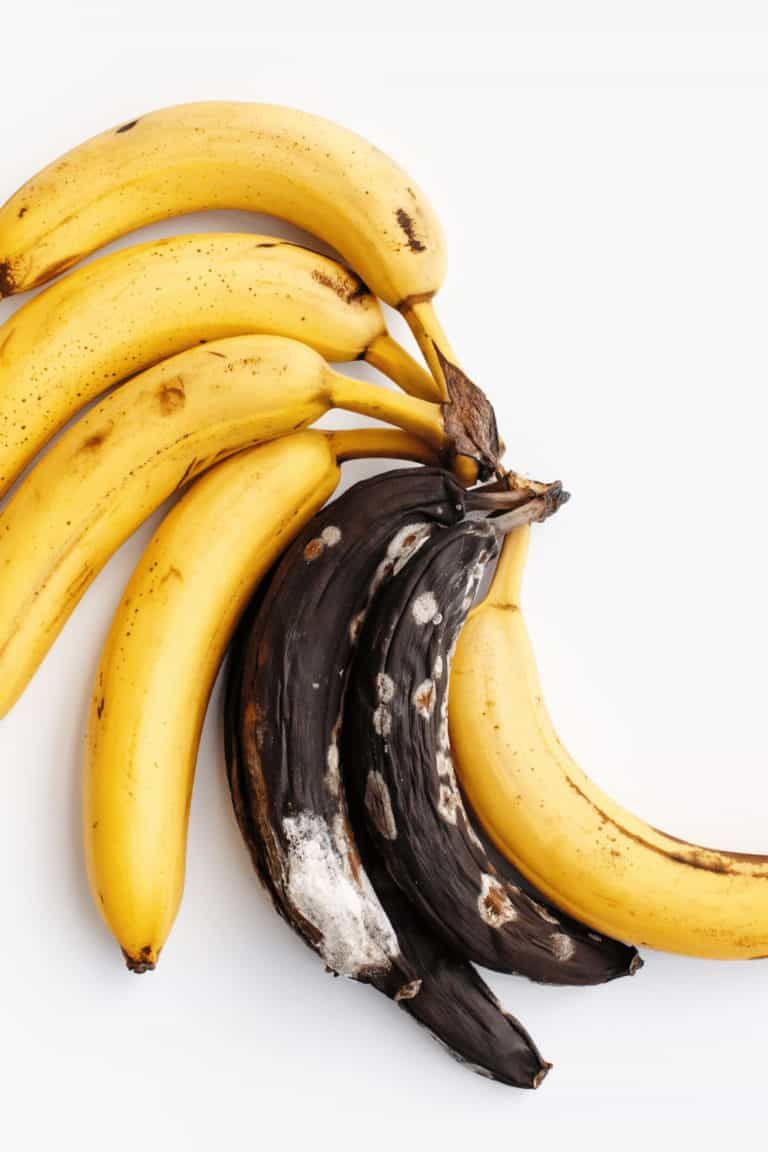
Bananas are one of the most popular fruits worldwide, loved for their convenience, natural sweetness, and nutritional benefits. They are rich in potassium, fiber, and essential vitamins, making them a staple in many households. However, one of the biggest challenges with bananas is their short shelf life. Within a few days of ripening, bananas can become overripe, turning brown and mushy. This not only leads to food waste but also costs consumers money. Fortunately, there are several tried-and-tested methods to prevent bananas from rotting, allowing you to enjoy them longer.
1. Understand Banana Ripening
To prevent bananas from rotting, it helps to understand how they ripen. Bananas produce a natural plant hormone called ethylene, which accelerates the ripening process. When bananas are exposed to ethylene, their starches convert into sugars, the peel changes color from green to yellow, and eventually brown spots appear. Overexposure to ethylene, warm temperatures, or moisture can make bananas rot faster. Therefore, slowing down ethylene production and controlling the environment is key to prolonging freshness.
2. Separate Bananas
One of the simplest ways to slow down banana ripening is to separate them from the bunch. Bananas release ethylene gas, and when they are clumped together, this gas accumulates and speeds up ripening. By separating individual bananas, you reduce exposure to ethylene and help each fruit last longer. For example, instead of keeping a bunch on the counter, separate each banana and place them in a cool, dry spot.
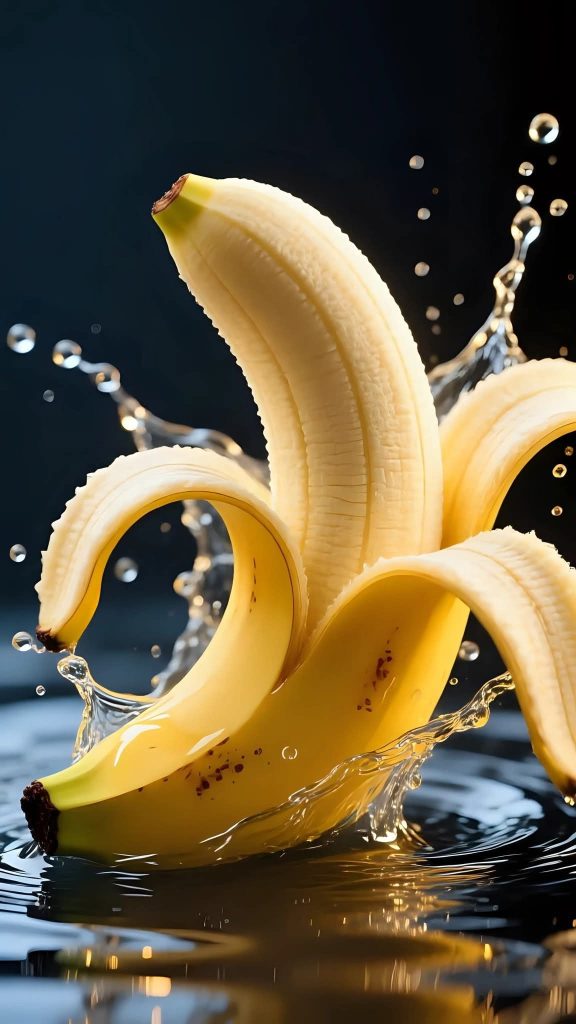
3. Wrap the Stems
A method widely recommended by fruit experts is wrapping the stems of bananas with plastic wrap or aluminum foil. The stem is where most ethylene gas is emitted, so covering it can slow down the ripening process. To do this:
- Take a bunch of bananas or individual bananas.
- Wrap the top stems tightly with plastic wrap or foil.
- Store them in a cool location.
This simple trick can extend the shelf life of bananas by several days, sometimes up to a week, depending on ripeness at the time of wrapping.
4. Control Storage Temperature
Temperature plays a crucial role in preventing bananas from rotting. Ideally, bananas should be kept at room temperature (around 18–22°C / 65–72°F) until they ripen. Once ripe, you can store them in a cooler environment, but not in direct contact with very cold surfaces. Refrigeration slows the metabolic process that causes ripening, but it can also darken the peel. Fortunately, the inside of the banana remains fresh even if the peel turns brown.
Tip: If bananas are fully ripe and you want to keep them for an additional few days, place them in the refrigerator. The peel may darken, but the fruit inside stays firm and edible.
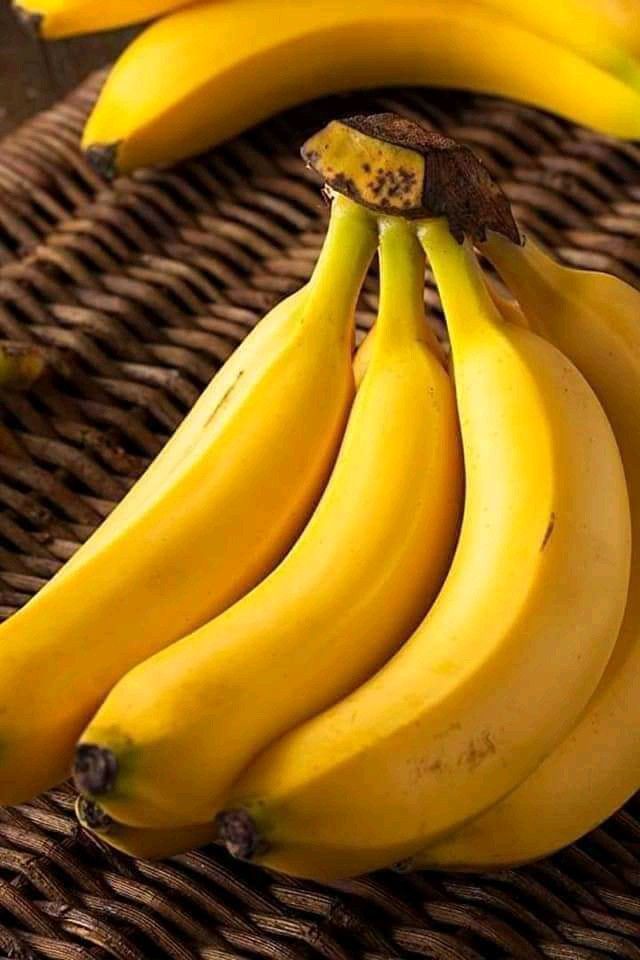
5. Avoid Moisture
Moisture accelerates the rotting process in bananas. Exposure to water or high humidity encourages mold and bacterial growth, causing spots and mushiness. Therefore, it’s essential to:
- Keep bananas dry.
- Avoid washing them until just before eating.
- Store them in a well-ventilated area, preferably on a countertop or in a fruit bowl that allows air circulation.
This simple adjustment can significantly extend the life of your bananas.
6. Use Ethylene-Absorbing Methods
If you store bananas with other fruits, consider keeping ethylene-sensitive fruits separate. For instance, apples, tomatoes, and avocados produce large amounts of ethylene, which can accelerate banana ripening. Using ethylene-absorbing materials, like specially designed fruit storage bags, can also help slow down ripening. These bags contain compounds that neutralize ethylene gas and are commercially available in many supermarkets.
7. Freezing Bananas for Long-Term Storage
For bananas that are at risk of rotting but you don’t want to waste, freezing is a highly effective solution. Frozen bananas are perfect for smoothies, baking, or desserts. Here’s how to do it:
- Peel the bananas.
- Slice them into small pieces or keep them whole.
- Place the slices on a baking sheet lined with parchment paper and freeze for 2–3 hours.
- Transfer the frozen bananas to an airtight container or freezer bag.
Frozen bananas can last for several months without losing taste or nutritional value. This method ensures that even overripe bananas are used productively instead of being wasted.
8. Use Banana Protecting Products
There are commercial products designed to prolong the life of bananas. For example, banana guards, silicone sleeves, or special fruit storage containers help protect bananas from bruising and reduce exposure to ethylene. While not essential, these tools can be convenient for households that buy bananas in bulk.
9. Regularly Monitor Your Bananas
Even with all preventive measures, bananas will eventually ripen and may rot. Therefore, regularly check the fruit:
- Remove any bananas showing signs of rot immediately.
- Consume or freeze ripe bananas promptly.
- Rotate bananas to ensure even exposure to air and light.
Proactive monitoring is one of the most effective ways to prevent waste.
Conclusion
Preventing bananas from rotting is largely about controlling ethylene exposure, temperature, and moisture. Simple, tried-and-tested methods like separating bananas, wrapping stems, storing in the right temperature, and freezing overripe bananas can dramatically extend their shelf life. By following these steps, you not only reduce food waste but also enjoy fresh, delicious bananas for longer periods. Whether you eat them raw, in smoothies, or in baking, maintaining banana freshness is easy once you understand and manage the ripening process.
Bananas are versatile, nutritious, and convenient—but without proper storage, they can spoil quickly. Using these methods ensures you get the most out of every bunch, save money, and contribute to reducing food waste. With a little care, your bananas can remain fresh, tasty, and ready to enjoy for days longer than usual.